Shockwave therapy: 10 reasons it is used
By Jennifer Nwankwo · Updated August 23, 2026
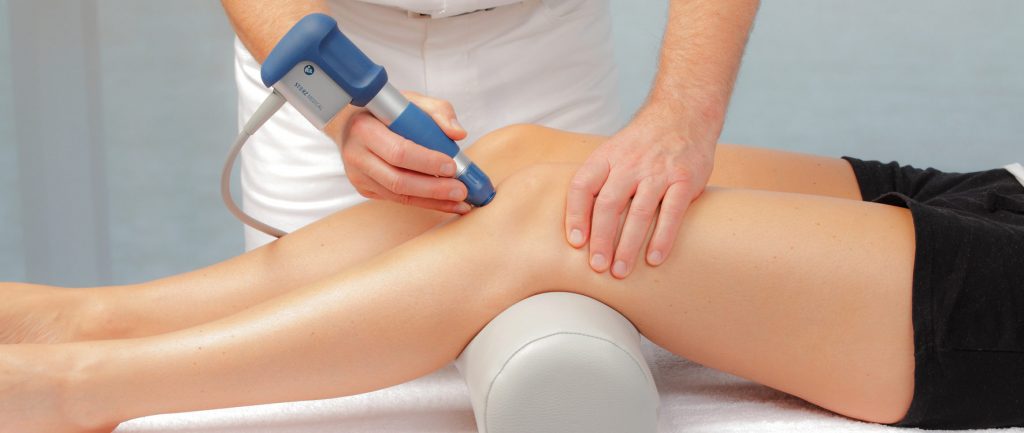
Nuvo Physio no longer offers shockwave therapy.
We are now a women’s pelvic health clinic exclusively. This article is kept for reference. If you are looking for care, see what we treat — pelvic floor physiotherapy for bladder and bowel concerns, pelvic pain, pregnancy and postpartum recovery, and hormonal change.
If you have lived with stubborn, lingering pain that has not budged despite rest, stretching, or round after round of treatment, you may have heard the word “shockwave” and wondered whether it is as intense as it sounds. At Nuvo Physio, we use shockwave therapy as one tool among many to help women move past chronic musculoskeletal pain and get back to the activities they love. The name is far more intimidating than the treatment itself.
Shockwave therapy is a non-invasive technique used by trained health practitioners, including physiotherapists. A small probe is applied to the skin, and a pulse of energy creates an acoustic (pressure) wave that is focused on the area of concern. There are no needles and no incisions, just a series of mechanical waves directed into the tissue to stimulate healing. Below, we walk through ten reasons it might belong in your recovery plan, and how we use it thoughtfully at the clinic.
What shockwave therapy actually is
Despite the dramatic name, shockwave is simply a focused pressure wave delivered through a handheld applicator. When the wave reaches the targeted tissue, it is thought to stimulate local circulation, encourage tissue remodelling, and help break down areas of calcification or chronic irritation. Because the energy travels through the skin without breaking it, the treatment is considered non-invasive and low-risk for most people.
It is most often used for persistent tendon, joint, and soft-tissue problems that have not responded well to other approaches. Think of it as a way to “wake up” a healing process that has stalled in a chronically painful area.
Chronic pain behaves differently from a fresh injury. When tissue stays irritated for months or years, the body can stop progressing through the normal stages of repair, and the nervous system can become more sensitive to signals from that region. Shockwave aims to interrupt that holding pattern, giving the area a fresh stimulus to begin healing again. That is also why we rarely use it in isolation: the mechanical input from the waves works best when it is reinforced by movement, loading, and education over the following weeks.
1. A solution for chronic musculoskeletal pain
Most people who come to us asking about shockwave have already tried several things that did not work. That is normal, and it does not mean your situation is hopeless. While no treatment can guarantee success for every individual, a large proportion of patients worldwide report that shockwave therapy helped them resolve a problem they had struggled with for a long time. It is often most valuable precisely when other options have come up short.
2. It improves function, not just comfort
Pain is rarely just about pain. It changes how you move, what you avoid, and how confidently you use your body. As discomfort eases and mobility returns, simple daily tasks, more complex activities, and even sport become easier to perform again. The goal is never only to quiet the pain; it is to restore the function you lost while you were guarding the area.
3. Treatment sessions are quick
Each shockwave session typically takes only about 5 to 10 minutes, depending on the area and the condition being treated. Most people need an average of three to five sessions, usually spaced about a week apart. That makes it a realistic option to fit into a busy schedule, and it pairs well with the active rehabilitation we build around it.
4. Many people notice results quickly
Some patients report meaningful relief after only one or two sessions, whether that is a noticeable drop in pain or a return of mobility they had not felt in months. Responses vary from person to person, but the relatively quick feedback is one of the reasons shockwave can be so encouraging: you often have a sense fairly early on of whether your body is responding.
5. No surgery and no injections
One of shockwave’s biggest advantages is that the acoustic waves penetrate the tissue without ever breaking the skin. There are no needles and no incisions, and for some conditions it may even help you avoid more invasive interventions. For anyone understandably nervous about surgery, that makes it a gentle first or intermediate step worth discussing with your clinician.
6. Often covered by insurance
Because shockwave is delivered by eligible, licensed health practitioners such as physiotherapists, the treatment is frequently covered by extended health insurance plans the same way other physiotherapy services are. We always recommend confirming the specifics of your own coverage, but the cost barrier is often lower than people expect.
7. It helps with a wide range of conditions
Shockwave is versatile. It can target calcifications, joint pain, tendinopathies, and trigger points, and it is used to help conditions such as osteoarthritis, carpal tunnel symptoms, lower back pain, shoulder pain, heel spurs, epicondylitis (tennis or golfer’s elbow), and hip pain, among others. If you also live with persistent pelvic or whole-body pain that has become amplified over time, we look at the bigger picture, because chronic pelvic pain and central sensitization sometimes need a broader plan than any single modality.
8. Safe with minimal side effects
For the great majority of people, shockwave is a safe, well-tolerated therapy. Side effects, when they occur, tend to be mild and short-lived, such as temporary tenderness or slight redness over the treated area. As with any treatment, we screen carefully first to make sure it is appropriate for you and that there are no reasons to avoid it.
9. Simple, with no special preparation
There is no fuss involved. You do not need to fast, prepare, or do anything in advance to receive shockwave therapy. You arrive, we treat the area, and you carry on with your day, often combining the session with the rest of your physiotherapy assessment and home program.
10. The treatment itself is well tolerated
Any discomfort felt during shockwave is brief, and the intensity can be dialled up or down throughout the session based on what you can comfortably tolerate. We stay in constant communication with you, adjusting in real time so the experience stays manageable. Most people find the short sensation well worth the relief that follows.
What to expect after a session
It is common to feel a little sore or sensitive over the treated area for a day or two afterward, much like the feeling after a good workout. This is a normal part of the response and usually settles on its own. We generally suggest staying active within comfortable limits and avoiding heavy, painful loading of the area immediately after a session, while continuing the specific exercises we prescribe. If anything feels unusual, we want to hear about it so we can adjust the next visit.
Results tend to build over the course of your treatment series and even in the weeks after it finishes, because the therapy is stimulating a gradual healing response rather than masking symptoms. Patience and consistency with the surrounding rehabilitation make a real difference in how durable the relief turns out to be.
How shockwave fits into care at Nuvo Physio
Shockwave is powerful, but it works best as part of a complete plan rather than a stand-alone fix. We pair it with hands-on therapy, targeted exercise, and education so that the area not only feels better but becomes more resilient. Because we specialize in women’s health, we are also mindful of how musculoskeletal pain interacts with life stages such as pregnancy and the postpartum period, when issues like pelvic girdle pain or persistent low-back discomfort are common. If you are unsure whether shockwave is right for you, the simplest next step is to book an assessment with our team so we can map out a plan together. You can also read our overview of why pain does not always mean injury for helpful context on chronic pain.
Frequently asked questions
Does shockwave therapy hurt?
Most people feel a brief, tolerable sensation during treatment rather than sharp pain. The intensity is adjustable throughout the session, so your clinician can fine-tune it to your comfort. Any tenderness afterward is usually mild and short-lived.
How many sessions will I need?
It varies by condition, but on average three to five sessions spaced about a week apart is typical. Some people notice improvement after just one or two visits, and we reassess as we go to see how your body is responding.
Is shockwave covered by insurance?
When it is provided by a licensed physiotherapist or other eligible practitioner, shockwave is often covered under extended health plans the same way other physiotherapy treatments are. We recommend checking the details of your specific plan before starting.
Who should not have shockwave therapy?
Shockwave is safe for most people, but it is not appropriate in every situation. That is why we always begin with a thorough assessment to confirm it suits your condition and rule out any reasons to avoid it before recommending it.
Can shockwave help me avoid surgery?
For some conditions, shockwave offers meaningful relief without needles or incisions and may reduce the need for more invasive options. It is not a guaranteed substitute for surgery, but it is often a reasonable, lower-risk step to try first.
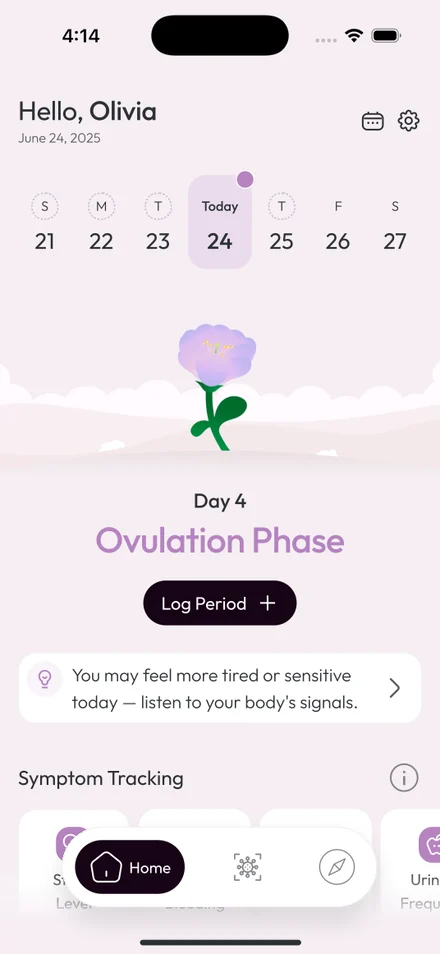
Your care doesn’t stop at the clinic door.
Nuvo Physio runs on Elle Santé — the women’s health platform we built right here. Your plan, your progress and your care team stay with you between visits, not just in the room.
Early access · iPhone and Android