Chronic Pelvic Pain & Central Sensitization
Specialized pelvic physiotherapy to understand why your pain persists, calm your nervous system, and retrain your body to feel safe again.

You’re not imagining this. What you’re experiencing is real.

Why chronic pelvic pain can feel overwhelming
Understanding the physical and emotional weight of pain that won’t resolve
Chronic pelvic pain is defined as pain lasting six months or longer, persisting beyond the point when tissue normally heals. You may have had imaging or tests that show nothing — or at least nothing that fully explains your symptoms. You may have seen multiple specialists and tried countless treatments. And yet the pain remains. This experience — being told your pain “shouldn’t exist” when it clearly does — is one of the most frustrating aspects of chronic pelvic pain. The isolation is profound. Pain affects your intimate relationships, your ability to work, your confidence in your body, and your emotional wellbeing. You may experience fatigue, sleep disruption, brain fog, anxiety, or depression alongside the physical pain.
The key to understanding chronic pelvic pain is recognizing that when pain persists beyond tissue healing, the nervous system itself changes. This is not a psychological problem or “all in your head” — it’s a real, measurable change in how your brain and spinal cord process pain signals. Your nervous system has learned to treat normal sensations as threatening, keeping you locked in a protective pain cycle. The good news: this nervous system sensitization is treatable. Understanding what’s happening and how to retrain your nervous system is the first step toward meaningful recovery.
How chronic pelvic pain affects the body
The interplay between tissue, muscles, and nervous system amplification
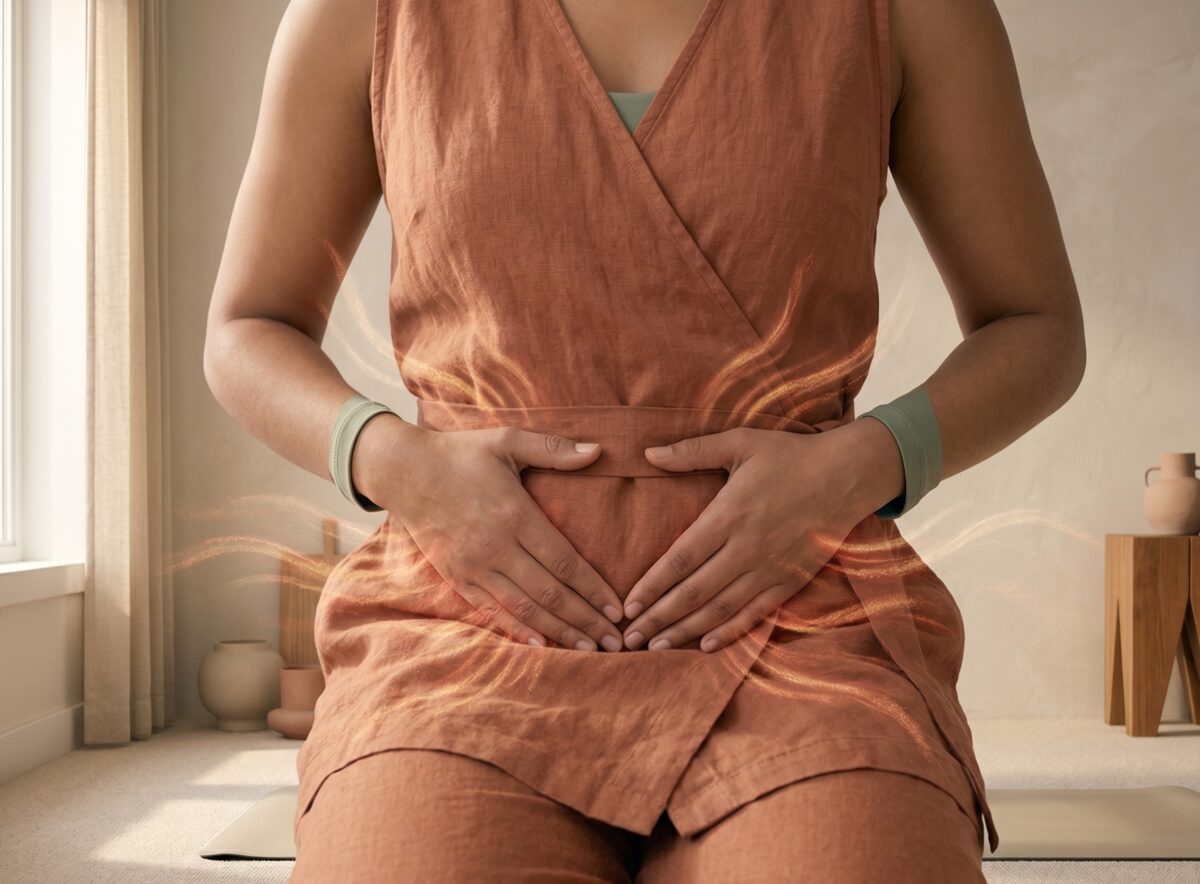
Chronic pelvic pain typically develops through multiple overlapping factors. Often it starts with an identifiable trigger — endometriosis, a urinary tract infection, a gynecological procedure, or abdominal surgery. But over time, as pain persists, the body’s protective systems engage. Your pelvic floor muscles tighten as a guarding response, restricting blood flow and creating a self-perpetuating cycle of tension and pain. Adhesions or scar tissue may form, restricting mobility and creating ongoing irritation. The connective tissue around your pelvic organs becomes tight and restricted. But the most significant shift is what happens in your nervous system.
Central sensitization — the hallmark of chronic pelvic pain — is a process where your spinal cord and brain become increasingly sensitive to pain signals. Your nervous system essentially “turns up the volume,” so that mild sensations get interpreted as painful, and normal movement or touch triggers a pain response that’s disproportionate to any actual tissue damage. Your nervous system is trying to protect you, but the protection has become the problem. You may also experience referred pain (pain in areas far from the original source), spreading symptoms (pain that moves around your pelvis), and secondary symptoms like bladder urgency, bowel changes, or muscle tension throughout your body. Treating chronic pelvic pain requires addressing not just the tissue level, but also the muscle guarding patterns and the nervous system sensitization that sustain the pain cycle. This is where specialized pelvic physiotherapy, pain neuroscience education, and collaboration with pain specialists make a difference.
Why physiotherapy can help with chronic pelvic pain
Physiotherapy for chronic pelvic pain works differently than treatment for acute pain or tissue injury. You’re not trying to “fix” a visible problem; you’re retraining your nervous system to down-regulate pain signals, releasing protective muscle tension, rebuilding confidence in movement, and addressing the behavioral and lifestyle factors that amplify pain. Here’s how pelvic floor physiotherapy supports your recovery from chronic pelvic pain and central sensitization.
Pelvic floor physiotherapy focuses on:
- Nervous system down-regulation through pain neuroscience education — Understanding what central sensitization is and how your nervous system maintains pain signals is among the most powerful interventions. When you understand that your pain isn’t a sign of damage, you can begin to reduce the fear and protective guarding that fuel pain amplification. Education combined with graded exposure to movement gradually retrains your brain that normal sensations are safe.
- Pelvic floor muscle down-training and relaxation — Chronic pelvic pain creates a protective guarding reflex where your pelvic floor muscles stay chronically tight, restricting blood flow and amplifying pain signals. We teach you to recognize and release this tension through gentle manual therapy, breathing techniques, and progressive muscle relaxation. Reducing pelvic floor muscle hypertonicity is essential for breaking the pain cycle.
- Graded exposure to movement and activity — Rest and avoidance typically worsen chronic pain by allowing the nervous system to become increasingly protective. We guide you through graduated return to activities — walking, sitting tolerance, intimate activities — in a structured way that proves to your nervous system that these activities are safe. This builds confidence and demonstrates that pain and harm are not synonymous.
- Collaboration with pain specialists, psychologists, and medical providers — Chronic pelvic pain often requires a multidisciplinary approach. We coordinate with your gynecologist, pain physician, psychologist, or other specialists to address all dimensions of your pain: the nervous system sensitization, any underlying medical conditions, pain-related anxiety or depression, and lifestyle factors. This team approach produces better outcomes than any single intervention alone.

How chronic pelvic pain care works at Nuvo Physio
Condition-first care that evolves with you.
Care for chronic pelvic pain starts with a thorough assessment of your pain pattern — where you feel it, when it worsens, what activities make it better or worse, and how it’s affecting your life. We listen to your entire history: what triggered the pain initially, what treatments you’ve tried, and whether anything has provided even temporary relief. Understanding your unique pain story is essential because chronic pelvic pain is highly individual. The same underlying condition (like endometriosis or interstitial cystitis) manifests differently in different people, and your nervous system sensitization is equally unique. We build a recovery plan based on your specific situation and your goals — what do you want to be able to do again?
Your care may involve:
- Specialized Pelvic Floor Physiotherapy — Evidence-based assessment and manual therapy specifically designed for chronic pelvic pain and central sensitization, including pelvic floor muscle down-training, release of protective tension patterns, manual therapy to restore tissue mobility, and progressive retraining of movement patterns.
- Collaborative Team Care — At Nuvo, we don’t just assign a therapist; we assign a team. We match you with the most appropriate clinician(s) based on your current phase of care — whether you need initial pain reduction and nervous system calming or progressive desensitization and functional retraining — to ensure the best fit for your recovery.
- Pain Neuroscience Education and Nervous System Strategies — Tools and support to understand your pain, reduce fear and protective guarding, and actively calm your nervous system. We teach you evidence-based strategies: breathwork, graded exposure to movement, sleep optimization, stress management, and how to distinguish between pain and harm.
- Long-term support and sustained recovery — Chronic pelvic pain recovery takes time. We adjust your care as your needs evolve from acute pain regulation to functional restoration and return to valued activities. Our goal is sustainable independence — you leave with the tools and confidence to manage your pain long-term and navigate setbacks on your own.
Common presentations of chronic pelvic pain we support
Chronic pelvic pain presents differently depending on what triggered it, what structures are involved, and how your unique nervous system has sensitized. We provide specialized care across the full range of chronic pelvic pain presentations. If you recognize yourself in any of these, we can help.
- Chronic pain without a clear diagnosis — Pain that persists despite negative imaging or tests, or pain that continues long after tissue has healed.
- Pain with anxiety, catastrophizing, or fear-avoidance — Persistent pain accompanied by anxiety about movement, fear that certain activities will cause harm, or a pattern of avoiding activities to prevent pain flare-ups.
- Widespread pelvic pain with referred symptoms — Pain that spreads beyond your pelvis to your lower back, inner thighs, or other areas; or pain that moves around.
- Chronic pain after surgery or medical procedures — Pain that developed or worsened following a gynecological procedure, surgery, or other medical event.
- Pain with secondary bladder or bowel symptoms — Chronic pelvic pain accompanied by urgency, frequency, incontinence, or constipation due to nervous system sensitization.
- Multi-system chronic pain affecting intimacy, work, and daily function — Pain significant enough to affect your ability to work, participate in physical activity, or engage in intimate relationships, impacting quality of life across multiple domains.
- Chronic pain with fatigue, sleep disruption, and mood changes — Pain accompanied by exhaustion, poor sleep quality, brain fog, anxiety, or depression as part of the broader chronic pain syndrome.
What to expect when you start care
- “Tell us what you’re feeling” — Answer guided questions about where your pain is, when it worsens, what makes it better, how long you’ve had it, and what you want to be able to do again. Your pain story matters, and we listen without judgment.
- “Get the right support” — We use your answers to understand your unique chronic pelvic pain presentation and match you with the clinician(s) best suited to your needs, whether you’re in acute pain regulation, building confidence in movement, or functional restoration.
- “Begin retraining your nervous system” — Treatment is shaped around pain neuroscience education, guided movement retraining, nervous system regulation, and your active participation in recovery. You’re not passive; you’re learning to retrain your body to feel safe again, and we guide you every step of the way.
Chronic pelvic pain and central sensitization FAQs
If my imaging is normal, how can my pain be real?
Is chronic pelvic pain psychological? Does it mean it's "all in my head"?
Will I have chronic pelvic pain forever?
What's the difference between chronic pelvic pain and the specific conditions listed in your other pages (endometriosis, interstitial cystitis, etc.)?
I've tried physical therapy before and it didn't help. Why would pelvic physiotherapy be different?
Your care doesn’t stop at the clinic door.
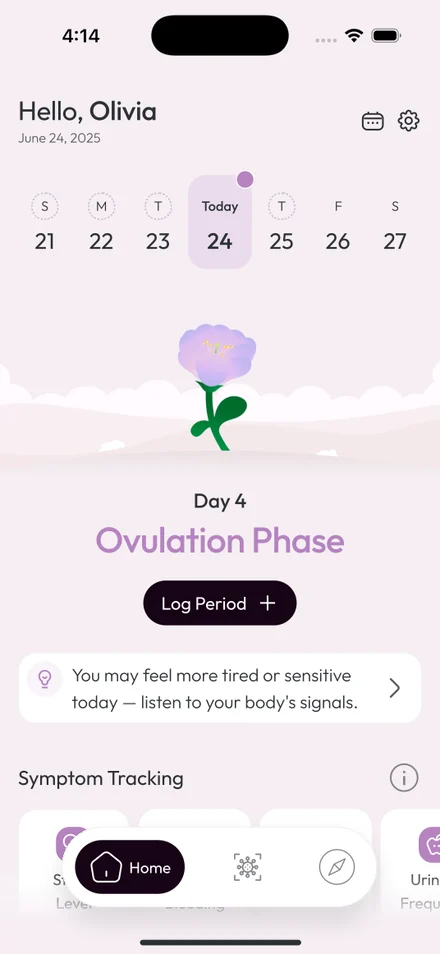
Nuvo Physio runs on Elle Santé — the women’s health platform we built right here. Your plan, your progress and your care team stay with you between visits, not just in the room.
Early access · iPhone and Android