Cesarean Scar Rehab
Specialized scar care, pelvic floor recovery, and core reconnection after C-section delivery — restoring comfort, sensation, and function.
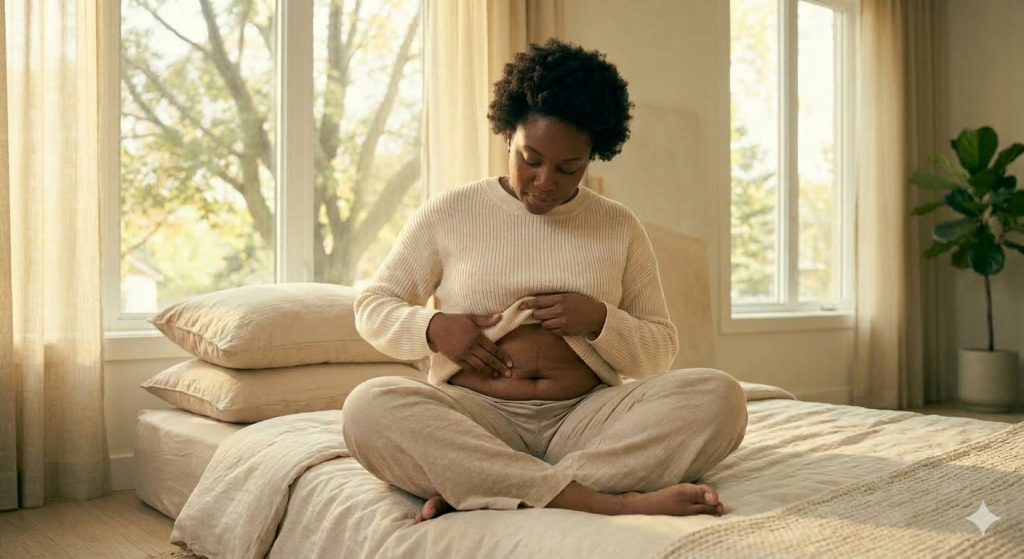
You’re not imagining this. What you’re experiencing is real.

Why cesarean scar recovery can feel overwhelming
Understanding the physical and emotional impact of C-section on your body
Delivering by cesarean section saves lives — but recovery is complex. Beyond the visible scar, you’re dealing with internal scar tissue, adhesions, numbness around the incision, changes to your core, pelvic floor dysfunction, and sometimes pain that extends months or even years after delivery. You may feel disconnected from your body, experience unexpected pain with intimacy, or struggle with bladder control. The physical sensation of numbness or altered feeling around your scar can be deeply unsettling, and the emotional weight of surgical recovery — especially when you expected to simply “heal and move on” — can feel isolating.
Many people in Montreal assume these post-cesarean symptoms are just “normal” and something they have to accept. But cesarean scar rehabilitation is a specialized area of pelvic floor physiotherapy that directly addresses the structural, sensory, and functional changes that happen after C-section delivery. Whether your surgery was recent or years ago, scar tissue can be mobilized, core function can be restored, and pelvic floor coordination can improve. You don’t have to live with chronic pain, numbness, or dysfunction.
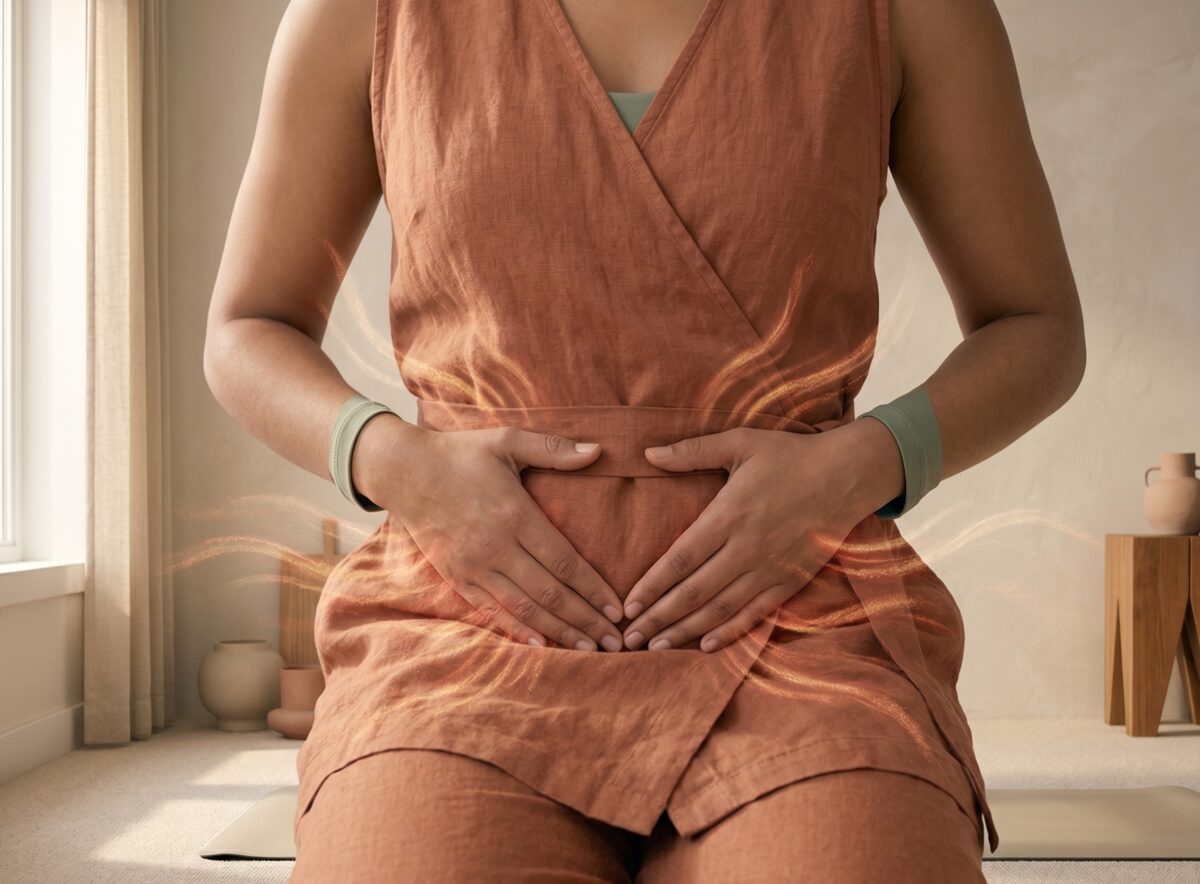
How cesarean delivery affects your core and pelvic floor
The surgical injury, scar tissue, adhesions, and their ripple effects
A cesarean section cuts through seven layers of tissue — skin, fascia, fat, peritoneum, uterus, and more. The body’s healing response creates scar tissue that binds these layers together. While scar tissue is necessary for healing, it can become dense, restricted, and adhesive — sticking to nearby structures like bowel, bladder, and other organs. This restricts mobility of the scar itself, reduces movement in the abdominal wall, and changes how pressure distributes through the core.
The core doesn’t work in isolation. When the abdominal wall is compromised by scar restriction, the pelvic floor compensates by working harder. This can lead to pelvic floor tension, poor coordination, weakness, or a combination of all three. You may develop a shelf or overhang below the scar — a fold of tissue that can cause pain, sensory changes, or difficulty with intimacy. Meanwhile, numbness or hypersensitivity around the scar can persist for months or years if not addressed. The cesarean scar affects everything downstream: bladder function, bowel function, sexual function, athletic capacity, and breathing. Cesarean scar rehabilitation addresses these interconnected changes by restoring mobility to the scar tissue, retraining the core and pelvic floor to work together, and reintegrating the scar tissue into normal sensation and function.
Why physiotherapy can help with cesarean scar recovery
Cesarean scar rehabilitation is not just about “stretching” the scar. It’s about addressing the multiple layers of impact that C-section delivery has on your body — the scar tissue itself, the adhesions, the core dysfunction, the pelvic floor changes, and the sensory disruption. Here’s how specialized physiotherapy supports your recovery.
Cesarean scar rehabilitation focuses on:
- Scar tissue mobilization and desensitization — Using specialized techniques to gently mobilize the scar tissue, break adhesions, improve sensation, and restore normal tissue mobility so the scar no longer restricts movement or causes pain.
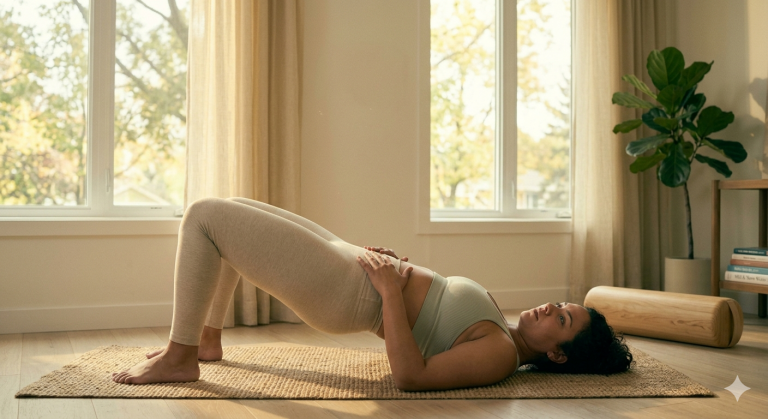
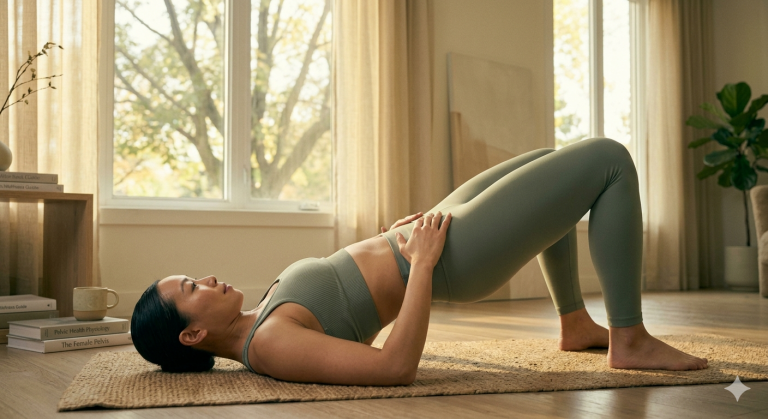
- Core reconnection and abdominal wall rehabilitation — Retraining the deep abdominal muscles (transverse abdominis, rectus abdominis) to engage properly, restore pressure management, and support posture and function — addressing weakness, diastasis, and the “shelf” that sometimes forms below the scar.
- Pelvic floor recoordination and breathing integration — Releasing pelvic floor tension, restoring proper coordination between the core and pelvic floor, and reintegrating breathing so these systems work together rather than against each other.
- Return to activity and functional confidence — Progressive loading of the core and pelvic floor, return to exercise and movement without pain, restoration of sexual function and intimacy, and rebuilding confidence in your body’s capacity.

How cesarean scar care works at Nuvo Physio
Condition-first care that evolves with you.
Care starts with understanding when your cesarean delivery was, what your symptoms are, and how the scar is affecting your function. We assess the mobility of your scar tissue, the health of your core, pelvic floor coordination, breathing patterns, and sensation around the incision — then build a plan that targets the specific factors driving your symptoms.
Your care may involve:
- Specialized Cesarean Scar Physiotherapy — Evidence-based scar rehabilitation including manual scar tissue mobilization, desensitization techniques, adhesion release, core retraining, and pelvic floor recoordination tailored to your post-cesarean recovery needs.
- Collaborative Team Care — At Nuvo, we don’t just assign a therapist; we assign a team. We match you with the most appropriate clinician(s) based on your current phase of care — whether you need acute scar management and early postpartum recovery or long-term functional restoration — to ensure the best fit for your recovery.
- Education and Guidance — Tools and support to manage your recovery between visits, including home scar care techniques, core activation exercises, pelvic floor release strategies, breathing retraining, safe return-to-activity guidelines, and intimacy support as you navigate changes in sensation and comfort.
- Long-term functional restoration — Sustainable improvement that extends beyond the scar itself. We help you regain confidence in your core, restore bladder and bowel function, return to exercise and activity, and rebuild the mind-body connection that surgery can interrupt.
Common cesarean scar symptoms we support
Cesarean scar recovery affects each person differently depending on the surgical approach, how much time has passed, and individual healing factors. We provide specialized care for the full range of post-cesarean symptoms. If you recognize yourself in any of these, we can help.
- Scar pain, tenderness, or hypersensitivity — Sharp, aching, or burning pain at the scar site, or heightened sensitivity to touch that can last weeks, months, or years after surgery.
- Numbness or altered sensation around the incision — Loss of normal feeling, tingling, or “dead” sensation around the scar that persists beyond the immediate healing window.
- Abdominal shelf or overhang below the scar — A fold or bulge of tissue below the incision that can cause discomfort, restrict movement, or affect appearance and body image.
- Core weakness or inability to engage your abdominal muscles — Difficulty activating your core, feeling disconnected from your abdominal muscles, or compensation patterns that create pain elsewhere.
- Bladder symptoms after C-section — Urgency, frequency, incomplete emptying, or urinary incontinence developing or worsening after cesarean delivery.
- Bowel changes or constipation — Difficulty with bowel movements, constipation, or changes in bowel function following surgery, sometimes due to adhesions or altered intra-abdominal pressure.
- Pain with intimacy or intercourse — Dyspareunia that develops or worsens after cesarean, related to scar tissue restriction, pelvic floor tension, or altered sensation and comfort.
What to expect when you start care
- “Tell us what you’re feeling” — Answer a few guided questions about your cesarean scar symptoms, how they’re affecting your function, your timeline since delivery, and your main concerns and goals.
- “Get the right support” — We use your answers to guide the next steps and match you with the clinician best suited to your post-cesarean recovery stage and management goals.
- “Begin care at your pace” — Treatment is shaped around your comfort and goals. Whether your surgery was recent or years ago, we meet you where you are and progress at your pace, addressing the scar and supporting your broader recovery.
Cesarean scar rehabilitation FAQs
How long after a C-section can I start scar rehabilitation?
Will scar massage or physiotherapy make my scar disappear?
Can I exercise after a C-section?
Why do I still have numbness years after my C-section?
How is cesarean scar rehab different from general postpartum recovery?
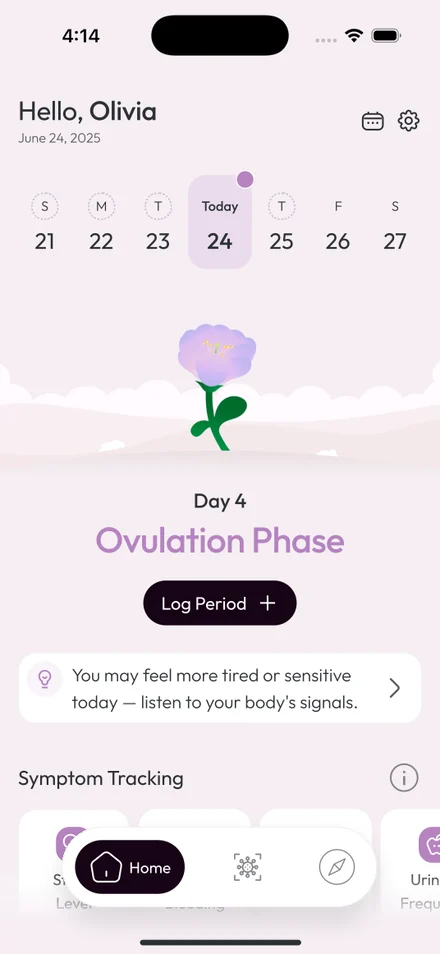
Your care doesn’t stop at the clinic door.
Nuvo Physio runs on Elle Santé — the women’s health platform we built right here. Your plan, your progress and your care team stay with you between visits, not just in the room.
Early access · iPhone and Android