10 things you need to know about your pelvic floor
By Jennifer Nwankwo · Updated June 2, 2026
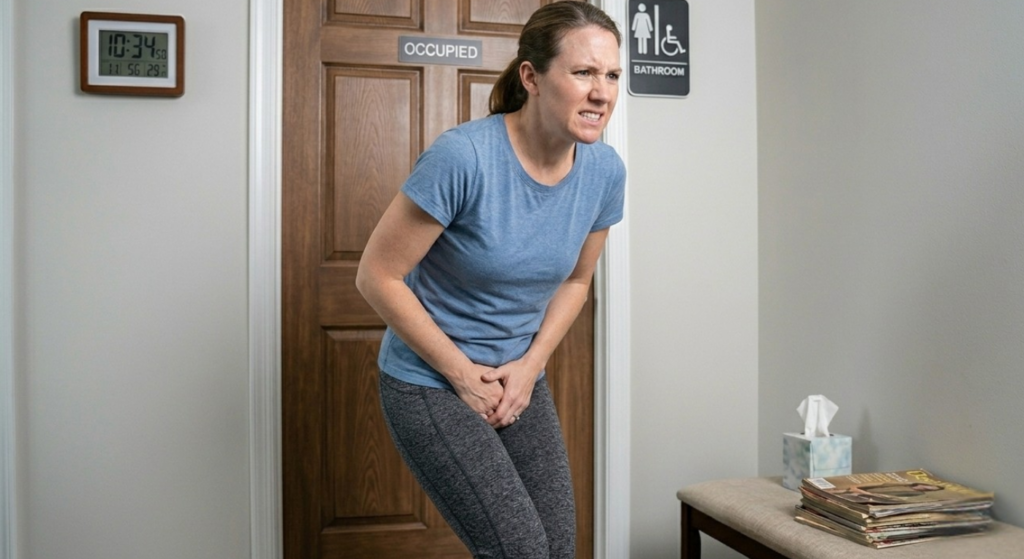
The pelvic floor is one of the hardest-working muscle groups in your body, and also one of the least understood. It quietly supports your organs, controls your bladder and bowels, and contributes to core stability and sexual function every single day. Yet most people never think about it until something feels off. At Nuvo Physio, our Montreal pelvic-health physiotherapists spend a lot of time clearing up myths and answering the same foundational questions, so we have gathered the essentials in one place.
Before you start any kind of perineal rehabilitation, it helps to understand what the pelvic floor actually is, what it does, and what can go wrong. Here are ten things we want every patient to know.
1. It is a sling of muscles, not a single muscle
The pelvic floor is made up of a series of muscles, the largest being the levator ani, that span the base of your pelvis like a supportive hammock. Together they contribute to the proper function of your urogynecological system, including healthy urination (micturition), bowel movements (defecation), and intercourse (coitus). These muscles open and close around the urethra, vagina, and anus, which is why they are central to continence and sexual function alike. When this group works well, you rarely notice it. When it does not, the effects can ripple through daily life, from a sudden urge to rush to the bathroom to discomfort that is hard to pin down. Understanding that it is a coordinated team of muscles, rather than a single on-off switch, is the first step toward treating it properly.
2. It is part of your deep core
Your pelvic floor is one of four muscle groups that make up the deep core system, working alongside the diaphragm, the deep abdominal muscles (transversus abdominis), and the small stabilizing muscles of the spine. Here is a surprise for many people: your visible “six-pack” abs are not part of this deep core. Real core stability comes from coordination between these deeper layers, which is why we assess the whole system rather than chasing a flat stomach. Think of it as a canister: the diaphragm is the lid, the deep abdominals are the front and sides, the spinal stabilizers are the back, and the pelvic floor is the base. When all four work together, pressure is managed smoothly every time you breathe, lift, sneeze, or laugh. When one part is out of sync, the others have to compensate, and the pelvic floor often pays the price.
3. It needs balance between tension and release
Like every other muscle in the body, the pelvic floor functions best with a good balance between tone and relaxation. A muscle that is too weak cannot do its job, but a muscle that is too tight and unable to let go is just as problematic. An overly tense pelvic floor can cause pain, urgency, constipation, and difficulty fully emptying the bladder or bowels, even though the muscles may feel “strong.” This is why blindly “squeezing” is not always helpful, and why an individual assessment matters more than a one-size-fits-all routine. Part of rehabilitation is often learning how to release and lengthen these muscles, not only how to contract them.
4. Dysfunction affects more than the pelvis
When the pelvic floor is not functioning well, the consequences are not limited to the pelvis. Directly, it can contribute to bladder and bowel problems, pain or difficulty with intercourse, and pelvic organ prolapse. Indirectly, because it is part of your core, dysfunction can show up as hip discomfort, abdominal separation, and lower back pain. Many people are surprised to learn that nagging back issues can be tied to how the pelvic floor is working. This connection runs both ways: a struggling pelvic floor can strain the back and hips, while problems in the hips, spine, or abdomen can in turn change how the pelvic floor behaves. That is why we look at the body as a connected whole instead of treating symptoms in isolation.
5. Kegels are not always the answer
Kegel exercises have become shorthand for “pelvic floor health,” but they are not a universal fix. For some people, more strengthening is exactly the wrong approach. If your pelvic floor muscles are already overly tight or overactive, adding more contractions can make symptoms worse, not better. This is one of the most common misunderstandings we correct in the clinic. The right plan depends on what your muscles actually need, which is why we assess before we prescribe.
6. You are far from alone
If you assume that pelvic floor issues are rare or that you are one of the unlucky few, think again. These concerns are remarkably common across all ages and stages of life. Many people simply do not talk about leaks, pain, or pressure because they feel embarrassed or assume nothing can be done. The reality is the opposite: these are everyday, treatable conditions, and seeking help is the norm, not the exception. Breaking the silence around these topics is part of the work we do, because so many people delay care for years simply because they did not realize support existed.
7. It is not only an issue for women who have given birth
Pregnancy and childbirth are well-known contributors to pelvic floor changes, but they are far from the only cause. Women who have never been pregnant can experience pelvic floor problems, and so can men. Factors like chronic constipation, persistent coughing, heavy lifting, surgery, and high-impact activity can all play a role. Pelvic health is human health, not just postpartum health.
8. Intense exercise can be a factor
Staying active is wonderful for your body, but vigorous training can contribute to pelvic floor dysfunction if the demands are not managed well. Heavy lifting, high-impact sport, and repeated pressure on the pelvic floor can outpace what those muscles are currently able to handle. This does not mean you should stop exercising. It means learning to breathe, brace, and load properly so your training supports your pelvic floor rather than straining it. Our team works with active patients and athletes on pelvic health for exactly this reason. Leaking during a run or a heavy lift is common, but common does not mean normal or unavoidable. With the right coaching on technique and load, most people can keep doing the activities they love while protecting their pelvic floor.
9. There are conservative, effective treatments
Living with symptoms is not your only option, and neither is jumping straight to invasive solutions. You do not have to resign yourself to wearing a pad or liner for bladder leaks, nor to assume that surgery or medication is the only path forward. Conservative, evidence-based pelvic floor rehabilitation helps many people regain control and comfort, often as the recommended first line of care before more aggressive interventions are considered.
10. Rehabilitation is delivered by trained physiotherapists
Pelvic floor rehabilitation is a specialized field, and it is carried out by physiotherapists with advanced training in pelvic health. A proper assessment looks at your history, your muscles, your breathing, and your goals before any treatment plan is built. If anything on this list resonates with you, you do not have to figure it out alone. We would love to help you understand your body and feel confident again, so book an appointment with our Montreal team without delay.
What to expect when you reach out
Taking the first step is often the hardest part, so it helps to know what is coming. A first pelvic-health appointment begins with a conversation: your symptoms, your history, your activity level, and what you hope to get back to. From there, your physiotherapist may carry out an assessment of your posture, breathing, core, and pelvic floor to understand how everything is working together. There is no rush and no judgment, and you are always in control of what happens during your visit.
The goal is never to hand you a generic sheet of exercises. It is to build a plan that fits your body and your life, whether that means strengthening, learning to relax overactive muscles, retraining your bladder, or coordinating your breathing with movement. Pelvic health touches so many parts of daily living, and small, well-targeted changes can make a real difference. If you have been wondering about any of the ten facts above, that curiosity is a good enough reason to start the conversation.
Frequently asked questions
Where exactly is the pelvic floor?
The pelvic floor sits at the base of your pelvis, spanning from your pubic bone at the front to your tailbone at the back. It forms a supportive layer underneath your bladder, bowel, and reproductive organs, much like a hammock holding everything in place.
How do I know if my pelvic floor needs help?
Common signs include urinary or bowel leaks, urgency, a feeling of pressure or heaviness, pain with intercourse, or persistent low back and hip discomfort that has no obvious cause. If any of these sound familiar, a pelvic-health assessment can tell you what is happening and what to do about it.
Should I just start doing Kegels at home?
Not necessarily. Kegels help some people and worsen symptoms for others, particularly if the muscles are already too tight. The safest approach is an individual assessment so your exercises target what your body actually needs.
Can men benefit from pelvic floor physiotherapy?
Yes. While our clinic focuses on women’s pelvic health, the pelvic floor matters for everyone, and men can experience dysfunction and benefit from rehabilitation too.
How long does pelvic floor rehabilitation take?
It varies from person to person depending on the cause, severity, and your goals. Many people notice meaningful improvement within a few weeks to a few months of consistent, guided work. Your physiotherapist will give you a realistic timeline after your first assessment.
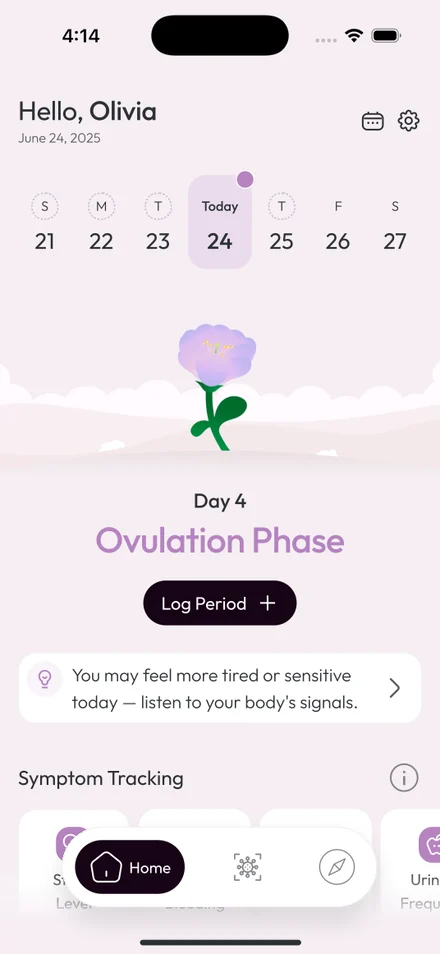
Your care doesn’t stop at the clinic door.
Nuvo Physio runs on Elle Santé — the women’s health platform we built right here. Your plan, your progress and your care team stay with you between visits, not just in the room.
Early access · iPhone and Android