10 Things Women Need to Know About Menopause
By NuvoPhysio · Updated June 2, 2026

Menopause is one of the most universal experiences in a woman’s life, yet it is still surrounded by confusion, silence, and a fair amount of misinformation. At Nuvo Physio, we believe the more you understand about this natural transition, the more confidently you can move through it. Menopause is not a disease to be cured or a problem to be fixed; it is a normal phase of life that, with the right support, can be navigated with energy and ease.
Below are ten things every woman should know about menopause, from when it typically arrives to the symptoms you might notice, the long-term changes worth watching, and the meaningful role physiotherapy can play at every stage.
1. What menopause actually is
Menopause is a single point in time: the moment marking twelve consecutive months since your last menstrual period. In other words, once you have gone a full year without any bleeding, including spotting, you have officially reached menopause. Everything before that milestone is the transition; everything after is postmenopause. Understanding this distinction matters, because most of what women describe as “going through menopause” is really the years-long lead-up known as perimenopause.
2. When menopause usually happens
For most women, menopause arrives around age 52, with a typical range somewhere between 45 and 58. One of the better predictors of your own timing is the age at which your mother reached menopause, since genetics plays a strong role. A few factors can bring menopause on earlier:
- Never having been pregnant — having had more than one pregnancy may slightly delay menopause.
- Smoking — research suggests smokers may reach menopause up to two years earlier than non-smokers.
- Medical treatment — chemotherapy, or surgery to remove both ovaries, can trigger menopause suddenly, regardless of age.
3. When the transition (perimenopause) begins
Perimenopause, also called the menopausal transition, is the stretch of time leading up to your final period. It most often begins between the ages of 45 and 55. During these years, your hormone levels no longer follow a predictable monthly rhythm; instead, estrogen and progesterone fluctuate, sometimes dramatically, which is why symptoms can appear seemingly out of nowhere. If you are noticing changes earlier than expected, it is worth exploring the perimenopause and menopause support available to you rather than dismissing them.
4. How long the transition lasts
Perimenopause is not a quick switch. It can last anywhere from two to eight years before periods stop for good, with about four years being typical. Because the timeline is so variable, two women the same age can be having completely different experiences, one barely noticing the shift while another contends with daily symptoms. Both are normal.
5. How to know if you are in the transition
It can sometimes be difficult, even for your physician, to confirm that you are in perimenopause. Three clues tend to point the way:
- Symptoms — hot flashes, trouble sleeping, and mood swings are among the most common early signals.
- Irregular periods — tracking your cycle is genuinely useful here; changing rhythm is often the very first sign.
- Hormone shifts — your body responds to declining estrogen, progesterone, and testosterone, along with rising follicle-stimulating hormone (FSH) and luteinizing hormone (LH).
6. How menopause may affect you
Symptoms can arrive abruptly and be hard to ignore, or they can be so subtle you barely register them at first. Commonly reported experiences include:
- Irregular periods that may stop for a month or more and then return.
- Periods that are heavier or lighter than before.
- Hot flashes and disrupted sleep.
- Mood swings and irritability.
- Vaginal dryness, which can make intercourse uncomfortable.
- Lower interest in sex, or arousal that takes longer.
- Joint pain and stiffness.
- Cognitive changes such as brain fog or forgetfulness.
Some of the most important changes are the ones you cannot feel. As estrogen declines, you may begin to lose bone density, which over time can lead to osteoporosis, a condition that leaves bones more fragile and prone to fracture. Shifting estrogen levels can also affect cholesterol, slow your metabolism, contribute to weight gain, and raise cardiovascular risk. These quieter changes are exactly why proactive care during this window pays off.
It helps to remember that no two women experience this combination of symptoms in the same way, and the intensity often rises and falls from month to month. Keeping a simple log of what you notice, when it happens, and how it affects your sleep, mood, and daily activity gives both you and your care team a clearer picture, and makes it far easier to target the changes that matter most to your quality of life.
Vaginal dryness and painful sex
Lower estrogen thins and dries the vaginal tissues, which is one reason intimacy can become uncomfortable during and after menopause. This is common, treatable, and absolutely worth addressing. Pelvic floor physiotherapy, alongside other strategies, can help with painful intercourse rather than leaving you to simply endure it.
7. Whether to keep using birth control
Yes, for now. You can still become pregnant during perimenopause, even if you have skipped a period for a month or more, because you may still ovulate occasionally. Continue using contraception until your healthcare provider confirms you have reached menopause, and talk with them about which method best fits this stage of life.
8. What happens after menopause
Once you are postmenopausal, you will no longer have periods and can no longer become pregnant. One critical point: any vaginal bleeding after menopause is not normal. If it happens, see a doctor as soon as possible, because postmenopausal bleeding can signal a health problem that deserves prompt attention.
9. The long-term consequences worth watching
Beyond the day-to-day symptoms, menopause brings longer-term shifts that benefit from a proactive approach:
- Bone loss (osteoporosis) from declining estrogen.
- Increased cardiovascular risk linked to changes in your lipid profile.
- Changes in body composition, including weight gain and shifting fat distribution.
- Impaired balance, which raises the risk of falls and fractures.
Hormonal changes can also weaken pelvic floor support, contributing to leaks and, in some cases, prolapse. If you notice bladder changes, learning about urinary incontinence and bladder control or pelvic organ prolapse early gives you far more options.
10. How physiotherapy supports you through menopause
Physiotherapy plays a meaningful role in managing both the early and long-term effects of menopause. A tailored program can:
- Build muscular strength and flexibility to protect bones and joints.
- Guide you through balance and coordination work that lowers your fall risk.
- Use pelvic floor physiotherapy to ease pelvic pain, leaks, prolapse, and painful intimacy.
- Improve your overall energy, function, and quality of life.
Just as importantly, physiotherapy offers reassurance and education. So much of the distress around menopause comes from not knowing what is normal or what can be done. Understanding why a symptom is happening, and learning practical strategies to manage it, often relieves a great deal of the worry on its own. Our goal is never simply to treat a symptom in isolation, but to help you feel capable and at home in your body through every phase of the transition.
Menopause is a transition, not a decline, and you do not have to navigate it alone. If you would like personalized guidance, we invite you to book a consultation with our team and build a plan that fits your body and your goals.
Frequently asked questions
Is perimenopause the same as menopause?
No. Perimenopause is the transition, the years of fluctuating hormones leading up to your final period. Menopause is the single point twelve months after your last period. After that, you are postmenopausal.
Can pelvic floor physiotherapy really help with menopause symptoms?
Yes. As estrogen declines, the pelvic floor can weaken or become tense, contributing to leaks, prolapse, and painful sex. Pelvic floor physiotherapy addresses these directly through assessment, targeted exercise, and education, and it pairs well with strength and balance training for bone and fall prevention.
Should I be worried about bleeding after menopause?
Any bleeding after you have gone a full year without a period is considered abnormal and should be evaluated by a doctor promptly. It is often nothing serious, but it always warrants a check.
When should I start working with a physiotherapist?
There is no wrong time, but starting during perimenopause lets you build strength, protect your bones, and address pelvic symptoms before they become entrenched. The earlier you begin, the more you can influence your long-term health.
Is weight gain during menopause inevitable?
Some shift in body composition is common as metabolism slows and estrogen falls, but it is not inevitable or unmanageable. Regular strength training, movement, and tailored physiotherapy support can help you maintain muscle and feel strong through the transition.
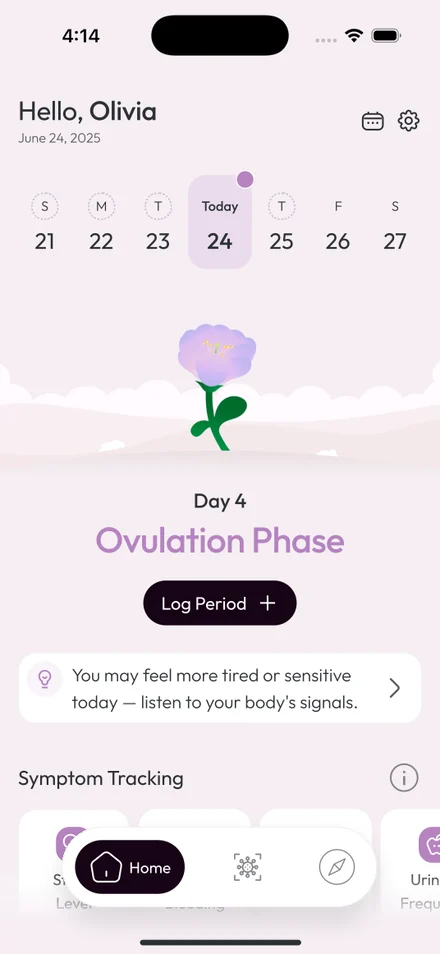
Your care doesn’t stop at the clinic door.
Nuvo Physio runs on Elle Santé — the women’s health platform we built right here. Your plan, your progress and your care team stay with you between visits, not just in the room.
Early access · iPhone and Android