C-Section Prenatal Classes: Preparing for a C-Section Birth
By Nuvo Physio · Updated June 2, 2026

Cesarean sections are among the most common surgical procedures performed on people of child-bearing age, and yet most prenatal education still centres on vaginal birth. In Canada, the national cesarean rate climbed from roughly 17% of all births in 1995 to nearly 31% in 2020 — a dramatic shift over a single generation. At Nuvo Physio, our women’s pelvic-health clinic in Montreal, we believe that every expectant parent deserves to feel prepared, whatever path their birth takes.
That is exactly what dedicated C-section prenatal classes are designed to do. They provide the knowledge, the practical skills, and the emotional grounding that help you walk into a cesarean — planned or unexpected — feeling informed rather than blindsided. In this guide we explain why these classes matter, who benefits from them, and what we cover in each session at the clinic.
Why C-section preparation is so often overlooked
When nearly one in three babies in Canada is born by cesarean, it is striking how rarely standard prenatal courses address surgical birth in any depth. Many parents arrive at their cesarean having spent weeks rehearsing breathing for a vaginal delivery, with little sense of what an operating room, a spinal block, or the first days of abdominal recovery will actually feel like.
This gap matters. A cesarean is major abdominal surgery layered on top of becoming a parent, and the more you understand in advance, the more agency you carry into the experience. Preparation does not make a C-section more likely — it simply means that if one happens, you are ready to meet it with confidence rather than fear.
Understanding the cesarean procedure
A cesarean birth delivers the baby through an incision in the abdomen and uterus. In our classes we walk through the procedure step by step: the common reasons a cesarean may be recommended, what happens before and during the surgery, the role of regional anesthesia, and what those first moments with your baby can look like in the operating room.
We also help you build a list of questions to ask your birthing team ahead of time — about gentle or “family-centred” cesarean options, skin-to-skin contact, and recovery expectations. Understanding the process tends to ease anxiety considerably, because so much of birth-related fear comes from the unknown. When you know what to expect, you can participate in decisions rather than feeling like surgery is happening to you. This kind of informed, empowered approach is the same philosophy that guides our prenatal and birth preparation work.
Emotional preparation and coping strategies
Whether a cesarean is planned well in advance or decided in the moment, it can stir up a complicated mix of emotions — relief, disappointment, fear, or even grief for the birth you had imagined. All of these feelings are valid, and none of them mean you have done anything wrong.
Our classes create a calm, judgement-free space to name those emotions out loud. We share practical coping and relaxation techniques, talk openly about birth expectations versus reality, and point you toward community resources for ongoing support. The goal is simple: that you feel emotionally equipped, not just physically prepared, for the day your baby arrives.
Postpartum recovery and care
Cesarean recovery typically takes longer than recovery from a vaginal birth, and the early weeks come with their own specific challenges. Our preparatory classes cover postoperative care in concrete, practical detail so that nothing catches you off guard at home.
Topics include pain management, wound and incision care, comfortable breastfeeding positions, safe mobility after surgery, nutrition and hydration for healing, and early scar management. We also talk about mental health, because the postpartum period is a vulnerable time and recovery is never purely physical. Knowing what the weeks ahead may hold lets you set up your home, your support network, and your expectations before the baby arrives — the foundation of a smoother fourth-trimester recovery. For a deeper look at healing well beyond the early weeks, our cesarean scar recovery guide is a helpful companion read.
Pelvic floor health after a cesarean
One of the most persistent myths in postpartum care is that a cesarean “spares” the pelvic floor. While pelvic floor dysfunction is most often associated with vaginal birth, it can absolutely follow a cesarean too. Nine months of pregnancy place sustained load on the pelvic floor regardless of how your baby is born, and abdominal surgery adds its own layer of healing through the deep core.
Because this connection is so often missed, many parents who have cesareans are never told that issues like bladder leakage, heaviness, or core weakness deserve attention and respond well to care. Our classes bridge that gap — we explain how the pelvic floor and deep core work together, and how to begin gently reconnecting with them during the perinatal period. If you go on to notice symptoms such as leaking with coughs, sneezes, or exercise, dedicated support for bladder control can make a real difference. The same is true for diastasis recti, the abdominal separation that is common after any pregnancy. And of course, the incision itself benefits from focused cesarean scar rehabilitation once you have healed enough to begin.
Birth preferences and advocacy
A surgical birth does not mean handing over all of your choices. Even with a planned cesarean, you may have preferences about who is in the room, music, immediate skin-to-skin contact, delayed cord clamping, or how your baby is first introduced to you. Many parents simply do not realize these options exist.
Our sessions help you discover what is possible within a surgical setting and how to communicate your wishes clearly. When you understand your rights and options, you can advocate for the birth experience you want with calm and confidence — even when the plan changes along the way.
What our C-section prenatal classes cover
At Nuvo Physio we offer three interactive, in-person cesarean prenatal sessions. Each is designed to build practical skill and quiet confidence, so you feel ready for surgery, recovery, and the realities of early parenthood.
Session 1: C-section education and preparation
The first session covers the essentials of a cesarean, plus the hands-on skills that make the early days easier: techniques for bed transfers, toileting, and getting in and out of a car, helpful equipment, belly-binding practices, breastfeeding after a cesarean, and the key questions to ask your birthing team.
Session 2: C-section recovery and rehabilitation
The second session focuses on healing. We cover pain and fatigue management, splinting and supported coughing to protect your incision, wound-care strategies, early mobilization, safe ways to bend and lift, breastfeeding guidance, and gentle scar-management techniques.
Session 3: Postpartum well-being and support
The third session zooms out to your whole recovery: nourishing eating and hydration, injury-prevention measures, maternal mental-health support, pelvic-health considerations, and breathing practices aimed at restoring your deep core from the inside out.
Walking into your birth prepared
Vaginal birth remains the hoped-for path for many parents, but the steady rise in cesarean rates means surgical birth deserves the same thoughtful preparation. Feeling informed, supported, and capable is not a luxury — it shapes how you experience the day your baby arrives and how well you recover afterward.
If you would like to learn more about our cesarean prenatal classes or pelvic-health care, we would love to hear from you. You can get in touch with our team to ask questions or book an appointment, and our occupational therapist is also available by phone or email for additional guidance.
Frequently asked questions
Who should take a C-section prenatal class?
These classes are valuable for anyone facing a planned cesarean, anyone with risk factors that make one more likely, and frankly any expectant parent who wants to feel prepared for every possibility. Cesareans are common and often unplanned, so even those hoping for a vaginal birth benefit from knowing what to expect.
Can a cesarean really affect my pelvic floor?
Yes. The months of pregnancy load the pelvic floor regardless of delivery method, so symptoms like leakage, heaviness, or core weakness can follow a cesarean. This connection is frequently overlooked, which is exactly why we include pelvic-health education in our classes.
When should I start preparing for a cesarean?
Ideally in the second or third trimester, while you still have time to absorb the information, set up your home, and ask questions. That said, it is never too late — even last-minute preparation can ease anxiety and improve your recovery.
How soon after a cesarean can I start pelvic-floor recovery?
Gentle breathing and core-connection work can often begin within the first days, while more active rehabilitation and scar work come later as your incision heals. We help you understand the safe, gradual progression so you can rebuild without rushing your body.
Do you offer support after the birth as well?
Absolutely. Our care continues well into the postpartum period, from scar rehabilitation to pelvic-floor and core restoration. Reach out whenever you are ready and we will help you map out the next steps.
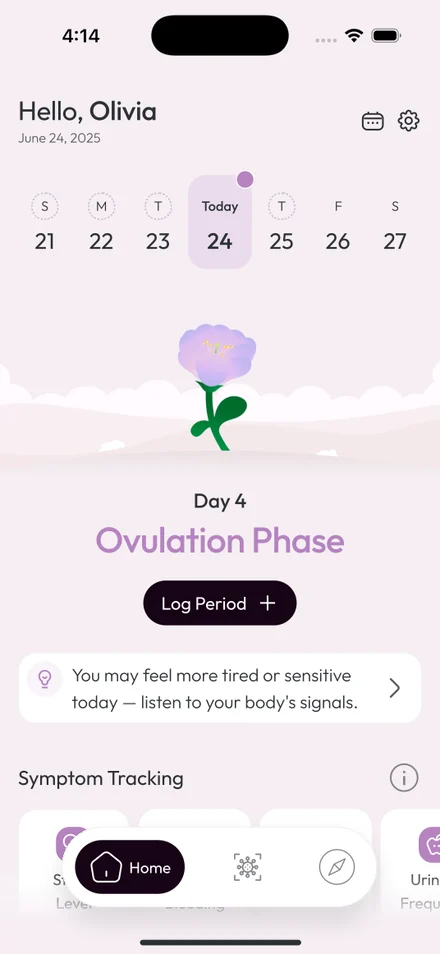
Your care doesn’t stop at the clinic door.
Nuvo Physio runs on Elle Santé — the women’s health platform we built right here. Your plan, your progress and your care team stay with you between visits, not just in the room.
Early access · iPhone and Android