Hypopressive Exercises: A Breath of Fresh Air for Core and Pelvic Health
By Nuvo Physio · Updated June 2, 2026

If you have ever finished a set of crunches feeling more pressure on your bladder than strength in your core, you are not alone. At Nuvo Physio, we hear this story often from new mothers, athletes, and women navigating perimenopause. The good news: there is a gentler way to rebuild a strong, responsive core. Hypopressive exercises use breath and posture to lift the pelvic floor from the inside out, and for many of our clients they feel like a genuine breath of fresh air.
This guide explains what hypopressives are, how they work, who benefits, and how to begin safely. As always, the aim is not another fitness trend but a restorative practice you can trust for the long term.
What are hypopressive exercises?
Hypopressives are a combination of specific breathing and postural techniques designed to reduce pressure inside the abdomen. The word itself means “low pressure,” which is the opposite of what happens during most conventional ab work.
Unlike crunches, sit-ups, or planks, hypopressives do not push down on the abdomen. Instead they focus on deep core engagement, lengthened posture, and controlled breath. The technique gently activates the pelvic floor and the deepest abdominal muscles, making it especially valuable for postpartum recovery, pelvic floor health, and anyone managing core dysfunction.
How do hypopressives work?
The signature element of hypopressives is apnea breathing — a precise pattern of fully exhaling and then holding the breath while drawing the ribcage up and the belly in. Combined with careful postural adjustments, this technique does three things:
- It creates a natural suction effect that lifts and tones the pelvic floor rather than bearing down on it.
- It engages the transverse abdominis, the deepest layer of abdominal muscle that wraps the trunk like a corset.
- It decompresses the spine and lowers intra-abdominal pressure.
Think of it as a reset button for the core. Where a crunch pushes everything downward, a hypopressive gently draws the abdominal contents and pelvic floor upward and inward. Over time, this retrains the body to manage pressure more efficiently during everyday movements such as lifting, coughing, and exercise.
The benefits for women — and beyond
Hypopressives have become popular among women, but their benefits reach everyone who wants a more stable, better-coordinated core. The main advantages we see in practice include:
- Postpartum recovery: they help bring together diastasis recti (abdominal separation) and rebuild pelvic floor strength without strain.
- Pelvic health: they support bladder control and can ease symptoms of pelvic organ prolapse.
- Spinal health: they improve posture, relieve back tension, and decompress the spine.
- Athletic performance: they enhance deep core stability and breathing efficiency, which matters for anyone with an athletic pelvic health goal.
- A holistic approach: they build awareness of breath, posture, and body connection — a foundation for long-term wellbeing.
Why choose hypopressives over traditional core exercises?
Traditional ab workouts are not “bad,” but they are not right for every body at every stage. Crunches and similar moves raise intra-abdominal pressure, and for some women — particularly after pregnancy — that extra pressure can worsen pelvic floor symptoms, push on a healing abdominal wall, or aggravate a prolapse.
Hypopressives take the opposite route. They train the body from the inside out, recruiting the deep stabilizing system before loading the surface muscles. For women who have had a C-section, are recovering pelvic floor function, or are navigating the hormonal shifts of perimenopause and menopause, this offers a safer, more restorative path back to strength.
Who should be cautious?
Because of the breath holds and postural demands, hypopressives are not for everyone in every situation. We generally advise caution or one-on-one supervision if you are pregnant, have uncontrolled high blood pressure, or have certain heart conditions. An individual assessment is the best way to know whether the technique suits you right now.
Getting started safely
Hypopressives look deceptively simple, which is exactly why they are best learned with guidance. The breathing and posture need to be precise to create the lifting effect — and to keep it safe. A typical practice includes:
- Relaxed breathing to settle the nervous system and prepare the body.
- A series of postures — standing, kneeling, sitting, and lying down — each with specific arm and spine positions.
- The apnea technique: a full exhale, a breath hold, and a lift of the ribcage to create the hypopressive effect.
You do not need hours. Even 10 to 15 minutes a few times per week can change how your core feels and functions. Consistency matters far more than intensity.
How hypopressives fit into a bigger plan
At Nuvo Physio we rarely use hypopressives in isolation. They work best as one tool within a broader, personalized program — often alongside hands-on pelvic floor therapy, breathing retraining, and graded strength work. If you are recovering after birth or surgery, we tailor the progression to your tissues and your goals. You can book an assessment with our team to find out whether hypopressives belong in your plan.
What to expect when you learn with us
Many people are surprised by how methodical the learning curve is. Because the benefit comes from precision rather than effort, we begin slowly and build your skill layer by layer. A first visit usually starts with a conversation about your history and goals, followed by an assessment of your breathing, posture, and how your core and pelvic floor respond to pressure.
From there, we introduce the foundational breath in a comfortable position before adding the apnea hold and the postural sequences. We watch for common compensations — gripping the upper abs, holding the shoulders up, or losing the lift through the ribcage — and adjust in real time. As your coordination improves, we progress the postures and integrate the technique into the movements that matter most in your daily life.
This individualized approach is also what makes hypopressives so adaptable. The same core principle can be dialed up for a returning athlete or kept very gentle for someone in the early weeks after birth or surgery.
Listening to your body along the way
Hypopressives should never feel forced or painful. A breath hold is a controlled pause, not a strain, and the lift through the ribcage should feel light rather than effortful. If you notice dizziness, pelvic heaviness, leaking, or a bulging belly during practice, those are signals to stop and reassess rather than push through. We teach our clients to treat these cues as useful feedback — often they simply mean the posture or the pacing needs a small adjustment. Over a few sessions, most people develop a clear sense of what a well-executed hypopressive feels like, and that body awareness is one of the most lasting benefits of the practice.
Common myths about hypopressives
Because hypopressives have grown so quickly in popularity, a few misconceptions have spread along the way. A few worth clearing up:
- “They are just fancy breathing.” The breath is central, but the postural alignment and the apnea-driven lift are what create the low-pressure effect. Done correctly, it is a coordinated full-body technique.
- “They replace all other exercise.” They do not. Hypopressives complement strength training, walking, and pelvic floor rehab rather than substituting for them.
- “Results come overnight.” Like any motor-control skill, the changes build gradually with consistent practice over weeks.
Final thoughts
Hypopressive exercises are far more than another fitness fad. For many women they are a transformative practice — a way to reconnect with the core during pregnancy, heal after childbirth, and prevent or manage pelvic floor dysfunction well beyond. Whether your goal is recovery, prevention, or simply feeling more confident in your body, hypopressives offer a gentle, effective starting point.
Your body deserves a gentle reset. With the right guidance, you may be surprised by the difference you feel in your posture, your breath, and your everyday confidence.
Frequently asked questions
Are hypopressive exercises safe after a C-section?
For many women recovering from a cesarean, hypopressives are a safe and gentle way to rebuild core and pelvic floor function because they avoid the downward pressure of traditional ab work. Timing matters, though — we recommend clearance from your provider and a personalized assessment before you begin, so the progression fits your healing.
Can hypopressives help with urinary incontinence?
They can. By lifting and toning the pelvic floor and improving how your core manages pressure, hypopressives often support better bladder control. They work best as part of a complete pelvic floor program rather than on their own.
How often should I practice hypopressives?
A common starting point is 10 to 15 minutes, two or three times per week. Consistency over weeks produces the changes you feel, so a short regular practice beats an occasional long one.
Do I really need professional guidance to learn them?
We strongly recommend it. The breathing pattern and postures are subtle, and small errors can reduce the benefit or, in some cases, create unwanted pressure. Learning with a trained professional ensures you get the technique right and that it is appropriate for your body.
Will hypopressives close my diastasis recti?
They can be a helpful part of diastasis recovery by recruiting the deep transverse abdominis and improving pressure management. Results vary from person to person, and the best outcomes usually come from combining hypopressives with a broader, guided rehabilitation plan.
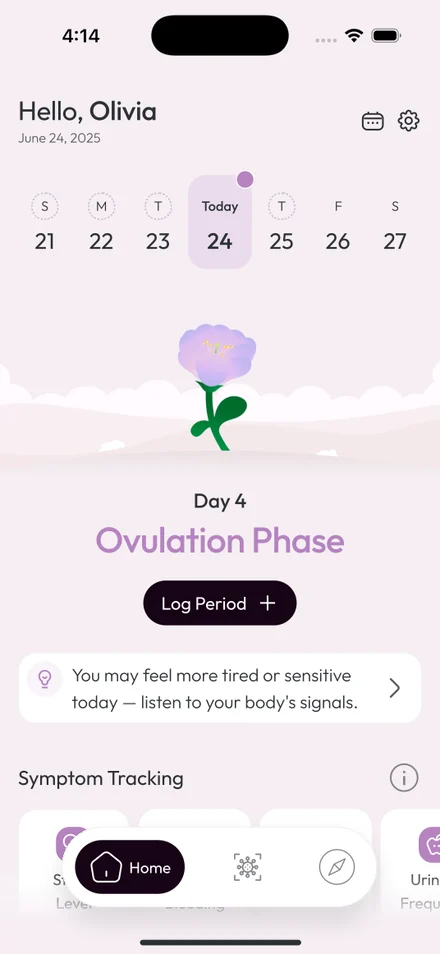
Your care doesn’t stop at the clinic door.
Nuvo Physio runs on Elle Santé — the women’s health platform we built right here. Your plan, your progress and your care team stay with you between visits, not just in the room.
Early access · iPhone and Android