Ladies, let’s talk about your vaginal pH!
By NuvoPhysio · Updated June 2, 2026

At Nuvo Physio, we hear the same questions in our Montreal clinic again and again: Why do I keep getting infections? Why does the discomfort come back every month? Why does something feel “off” down there even when my tests come back normal? Surprisingly often, the answer touches on a small but mighty detail of intimate health that rarely gets talked about: your vaginal pH.
Understanding vaginal pH won’t replace a diagnosis from your doctor, but it gives you a powerful lens for understanding your own body. In this guide we explain what pH is, what a healthy range looks like across your life stages, what throws it off balance, and how pelvic-floor physiotherapy fits into the bigger picture of keeping you comfortable and confident.
What is pH, exactly?
pH is simply a measurement of how acidic or alkaline (basic) a substance is. The scale runs from 0 to 14. A pH below 7 is acidic, a pH of exactly 7 is neutral (like pure water), and a pH above 7 is basic. Lemon juice is acidic; baking soda is basic. Your body keeps different tissues and fluids at carefully controlled pH levels, and the vagina is no exception. Small shifts on this scale matter more than they sound, because each step represents a tenfold change in acidity rather than a gentle slide. In practical terms, a vagina that drifts from a pH of 4 to a pH of 5 hasn’t changed by a little — it has become roughly ten times less acidic, which is more than enough to disturb the delicate balance of bacteria living there.
So what does this chemistry lesson have to do with your intimate health? Quite a lot. The pH level of your vagina — whether it leans acidic or basic — is one of the clearest signals of whether the local environment is balanced and protected, or vulnerable to irritation and infection.
What counts as a normal vaginal pH?
A healthy vaginal pH generally sits between 3.8 and 4.5, which is moderately acidic. That mild acidity is no accident: it is the work of beneficial bacteria, primarily Lactobacillus species, that produce lactic acid and keep the whole ecosystem in check.
What counts as “normal” does shift across your life, however. During your reproductive years — roughly ages 15 to 49 — your vaginal pH should generally stay at or below 4.5. Before puberty, around menstruation, and especially after menopause, a healthy pH naturally tends to run higher than 4.5. As estrogen declines during the menopause transition, the protective acidity often softens, which is one reason intimate dryness and irritation become more common. If that resonates, our resource on perimenopause and menopause walks through what to expect.
Why vaginal pH matters so much
An acidic vaginal environment is protective. Think of it as a built-in security system: the low pH creates a barrier that prevents unhealthy bacteria and yeast from multiplying too quickly and tipping over into infection. When that acidity is maintained, the good bacteria thrive and the troublemakers stay in the minority. It is a quietly self-sustaining balance, and most of the time it works beautifully without any thought on your part.
When the pH climbs above 4.5, the environment becomes far more hospitable to organisms that don’t belong there. A higher-than-normal vaginal pH raises your risk for conditions such as:
- Bacterial vaginosis (BV) — an overgrowth of bacteria that classically causes a “fishy” odor along with an unusual gray, white, or yellow discharge. It can also bring itching and a burning sensation when you urinate.
- Trichomoniasis (“trich”) — a sexually transmitted infection caused by the parasite Trichomonas vaginalis. Many people who carry it have no symptoms at all, but it can increase the risk of acquiring other, more serious infections.
Interestingly, the relationship runs both ways. An acidic vagina is healthy, but if the acidity becomes too extreme it can work against fertility, because sperm prefer a more alkaline setting. During intercourse, the vaginal pH temporarily rises to become more sperm-friendly — a normal, self-regulating shift, not a problem to fix.
What throws vaginal pH out of balance?
Several everyday situations can nudge your pH out of its protective range:
- Unprotected sex. Semen is alkaline, so it temporarily raises vaginal pH and can encourage the growth of certain bacteria.
- Antibiotics. These medications are lifesavers, but they don’t discriminate — they kill the beneficial Lactobacillus alongside the harmful bacteria, which can let the pH drift upward.
- Douching. Rinsing the vagina with solutions such as vinegar or baking soda not only raises pH but also strips away protective bacteria, making overgrowth more likely. The vagina is self-cleaning and rarely needs anything more than gentle external washing.
- Menstrual periods. Menstrual blood is slightly basic. As it flows through and sits against a tampon or pad, it can raise the local pH for the duration of your period.
Signs your vaginal pH may be off
A pH that has crept too high — and the infections that can follow — often announce themselves with symptoms such as:
- A foul or fishy smell
- Unusual white, gray, or green discharge
- Vaginal itching or irritation
- Burning when you urinate
These signs overlap with several other conditions, which is exactly why self-diagnosis can be tricky. Persistent burning, urgency, or pain with urination, for instance, can also point toward bladder-related issues such as overactive bladder or interstitial cystitis, while ongoing pain at the vaginal opening may relate to vulvodynia or vestibulodynia. If symptoms keep returning, it’s worth looking beyond pH alone.
How can I test my vaginal pH?
Home vaginal pH test kits are widely available and easy to use. A typical kit includes a strip of pH test paper and a color chart. You follow the instructions to briefly hold the paper against the vaginal wall, then compare the color it turns to the chart provided. The match won’t always be exact, so choose the color your strip most closely resembles and read the result accordingly.
A home test is a useful first clue, not a diagnosis. An elevated reading tells you something may be off, but it cannot tell you precisely what. If your result is high or your symptoms persist, that’s your signal to see a clinician rather than self-treat.
How to restore a balanced vaginal pH
The reassuring news is that vaginal pH is resilient and usually rebalances itself when given the right conditions. A few habits help protect it:
- Skip douching and harsh, perfumed soaps; wash the external area with warm water or a gentle, pH-neutral cleanser only.
- Use condoms, which limit the alkalizing effect of semen and lower infection risk.
- Change tampons and pads regularly during your period.
- Choose breathable cotton underwear and avoid sitting in damp clothing.
If an imbalance leads to a confirmed infection, your medical doctor can prescribe the appropriate treatment — and treating the infection, rather than the pH number itself, is what truly resolves it. Persistent or recurrent issues always deserve a proper medical assessment, because chasing the same symptoms with over-the-counter products on repeat tends to mask the real cause rather than fix it.
Where pelvic-floor physiotherapy fits in
pH is only one piece of intimate health. Many of the symptoms women bring to us — pain with intercourse, burning, urinary urgency, a feeling of pressure — are influenced by how the pelvic-floor muscles function, not just by the local microbiome. A tense or weakened pelvic floor can amplify discomfort and make irritation harder to shake. At Nuvo Physio we assess the whole picture, and when something falls outside our scope we help you connect with the right care. If recurring intimate discomfort is wearing you down, you’re welcome to reach out to our Montreal team to talk it through.
Frequently asked questions
What is a normal vaginal pH?
For women in their reproductive years, a healthy vaginal pH is moderately acidic, between roughly 3.8 and 4.5. Before puberty and after menopause, a normal pH tends to run a little higher than 4.5 because estrogen levels are lower.
Can a high vaginal pH cause infections?
Yes. When pH rises above 4.5, the environment becomes friendlier to organisms that don’t belong, increasing the risk of conditions such as bacterial vaginosis and trichomoniasis. Symptoms can include unusual discharge, a fishy odor, itching, and burning.
Is douching a good way to clean the vagina?
No. The vagina is self-cleaning. Douching raises pH and washes away the protective bacteria that keep the environment healthy, which actually makes infections more likely. Gentle external washing with warm water is all that’s needed.
Should I test my vaginal pH at home?
A home pH strip can be a helpful first clue, especially if you have recurring symptoms, but it isn’t a diagnosis. An elevated reading or persistent symptoms mean it’s time to see a clinician rather than self-treat.
Can physiotherapy help with intimate discomfort?
Pelvic-floor physiotherapy doesn’t change pH directly, but it addresses the muscle tension, weakness, and pain patterns that often accompany intimate symptoms. We assess the full picture and coordinate with your doctor when medical treatment is also needed.
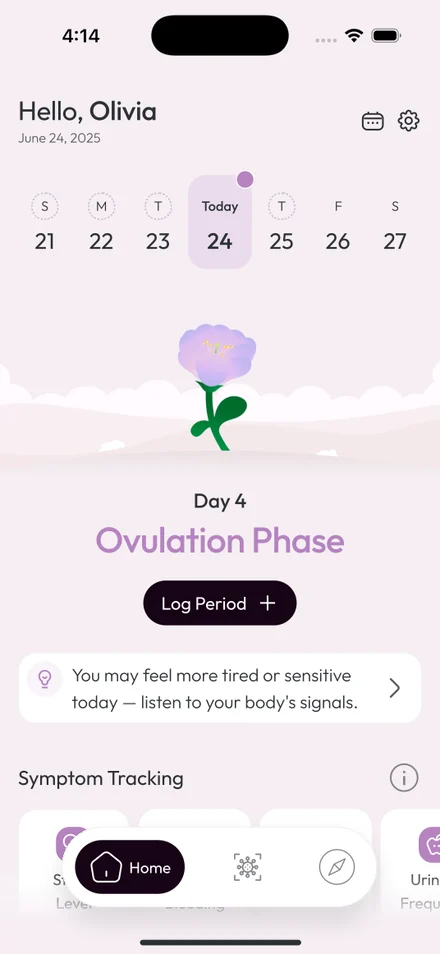
Your care doesn’t stop at the clinic door.
Nuvo Physio runs on Elle Santé — the women’s health platform we built right here. Your plan, your progress and your care team stay with you between visits, not just in the room.
Early access · iPhone and Android