Pelvic Cancer Survivorship Rehab
Specialized pelvic floor physiotherapy to restore function, manage treatment side effects, and support your recovery after gynecological, colorectal, or bladder cancer treatment.

You’re not imagining this. What you’re experiencing is real.

Why pelvic cancer recovery can feel overwhelming
Understanding the lasting physical impact of cancer treatment on pelvic health
Surviving cancer is an extraordinary achievement — but the physical aftermath of treatment can be deeply challenging. Surgery, radiation, and chemotherapy can all leave lasting changes in your pelvic floor, bladder, bowel, and sexual function. You may have been told these changes are “just side effects” or that you should be grateful to be alive. But the reality is that treatment side effects are real, measurable conditions that deserve proper rehabilitation.
Many cancer survivors in Montreal receive excellent oncological care but minimal guidance on pelvic floor recovery. The focus understandably shifts to surveillance and remission, while the musculoskeletal and functional consequences of treatment go unaddressed. Pelvic floor physiotherapy is increasingly recognized as an essential component of cancer survivorship care — helping you not just survive, but regain the quality of life you deserve after treatment.

How cancer treatment affects the pelvic floor
How surgery, radiation, and chemotherapy impact pelvic muscles, tissues, and function
Cancer treatment can affect your pelvic floor through multiple mechanisms. Surgery — whether radical hysterectomy, colorectal resection, or cystectomy — physically alters your pelvic anatomy by removing organs, severing ligaments, and disrupting the muscular support system. Radiation therapy can cause fibrosis (scarring and stiffening) of pelvic muscles and tissues, reducing elasticity and creating areas of restriction and pain. Chemotherapy can contribute to peripheral neuropathy affecting pelvic sensation, hormonal changes that alter tissue health, and general deconditioning.
These treatment effects interact with each other. Radiation fibrosis can make surgical scarring more restrictive. Hormonal changes from chemotherapy or surgical menopause can compound tissue fragility. The resulting pelvic floor dysfunction — weakness, tightness, incoordination, or pain — then manifests as bladder problems, bowel changes, sexual dysfunction, or lymphedema. Physiotherapy addresses these interconnected effects systematically, working with your tissues at their current capacity and progressively restoring function within the context of your specific treatment history.
Why physiotherapy can help with pelvic cancer recovery
Physiotherapy does not replace oncological follow-up. But it is increasingly recognized as a critical component of survivorship care because it addresses the pelvic floor dysfunction, tissue changes, and functional limitations that persist after treatment ends. Here’s how pelvic floor physiotherapy supports your recovery.
Pelvic floor physiotherapy focuses on:
- Pelvic floor rehabilitation after surgery — Restoring coordination, strength, and endurance of pelvic floor muscles that have been altered by surgical removal of organs, nerve disruption, or changes to pelvic architecture.
- Radiation fibrosis management — Gentle, progressive techniques to maintain and restore tissue mobility in areas affected by radiation-induced scarring, preventing progressive stiffening and associated pain.
- Bladder and bowel retraining — Structured protocols to address post-treatment incontinence, urgency, frequency, constipation, or evacuation difficulties that result from surgical or radiation-related changes.
- Return to function and quality of life — Progressive rehabilitation that addresses sexual health, physical activity, lymphedema management, and the broader functional recovery that defines meaningful survivorship.

How pelvic cancer survivorship care works at Nuvo Physio
Condition-first care that evolves with you.
Care starts with understanding your specific cancer type, treatment history, current symptoms, and recovery goals. We assess your pelvic floor function, tissue health, scar mobility, bladder and bowel patterns, and overall physical capacity — then build a plan that respects your treatment timeline and progresses at a pace appropriate for your healing.
Your care may involve:
- Specialized Pelvic Physiotherapy — Evidence-based post-cancer pelvic rehabilitation including pelvic floor assessment, radiation fibrosis management, scar mobilization, bladder and bowel retraining, and sexual health rehabilitation.
- Collaborative Team Care — At Nuvo, we don’t just assign a therapist; we assign a team. We match you with the most appropriate clinician(s) based on your current phase of care — whether you need early post-treatment rehabilitation or long-term survivorship support — to ensure the best fit for your recovery.
- Education and Guidance — Tools and support to manage recovery between visits, including home exercise programs, self-massage techniques for scar tissue, bladder and bowel strategies, and guidance on return to physical activity.
- Long-term support — Sustainable recovery, not just quick fixes. We adjust the care team as your needs evolve from acute post-treatment recovery to long-term survivorship wellness and prevention of late-onset complications.
Common post-cancer symptoms we support
Cancer treatment affects pelvic function in multiple ways depending on the type of cancer, treatment approach, and individual factors. We provide specialized care for the full range of post-treatment symptoms. If you recognize yourself in any of these, we can help.
- Post-surgical pelvic floor weakness — Loss of support, heaviness, or incontinence after radical hysterectomy, colorectal surgery, or cystectomy.
- Radiation-related bladder changes — Urgency, frequency, or incontinence resulting from radiation to the pelvis.
- Bowel dysfunction after treatment — Constipation, urgency, incontinence, or altered bowel patterns following surgery or radiation.
- Pain with intimacy after cancer treatment — Dyspareunia related to radiation fibrosis, surgical changes, hormonal effects, or pelvic floor tension.
- Surgical scar restriction and pain — Tightness, pulling, or discomfort from abdominal, perineal, or pelvic surgical scars.
- Surgical menopause symptoms — Hot flashes, vaginal dryness, and tissue changes following oophorectomy or treatment-induced menopause.
- Pelvic pain and radiation fibrosis — Chronic pain, tissue stiffness, or nerve irritation resulting from radiation-induced tissue changes.
What to expect when you start care
- “Tell us what you’re feeling” — Answer a few guided questions about your cancer type, treatment history, current symptoms, and how recovery is affecting your daily life.
- “Get the right support” — We use your answers to guide the next steps and match you with the clinician best suited to your specific post-treatment rehabilitation needs.
- “Begin care at your pace” — Treatment is shaped around your comfort, healing stage, and goals. Whether you’re weeks or years post-treatment, we meet you where you are.
Pelvic cancer survivorship FAQs
When can I start pelvic floor physiotherapy after cancer treatment?
Is pelvic physiotherapy safe after radiation?
Can physiotherapy help with sexual health after cancer treatment?
Will my treatment side effects get worse over time?
Do you coordinate with my oncology team?
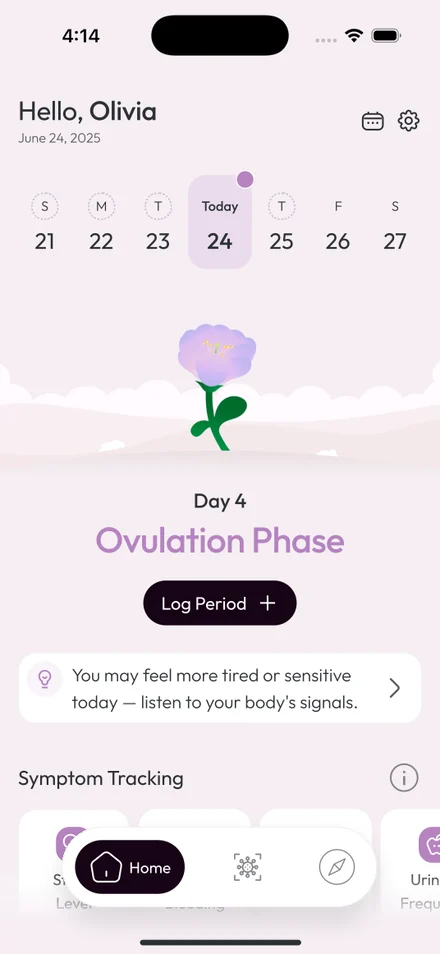
Your care doesn’t stop at the clinic door.
Nuvo Physio runs on Elle Santé — the women’s health platform we built right here. Your plan, your progress and your care team stay with you between visits, not just in the room.
Early access · iPhone and Android