Prenatal & Birth Preparation
Specialized pelvic floor physiotherapy to prepare your body for birth, manage pregnancy-related discomfort, and build the awareness and confidence you need for labor, delivery, and recovery.

You’re not imagining this. What you’re experiencing is real.

Why prenatal pelvic preparation matters more than you think
Understanding how pregnancy changes your pelvic floor — and why preparation makes a difference
Pregnancy transforms your body in ways that are extraordinary — and sometimes overwhelming. As your baby grows, your pelvic floor bears increasing weight and pressure. Your ligaments soften under the influence of relaxin. Your posture shifts to accommodate your changing center of gravity. And through all of this, your pelvic floor muscles are working harder than ever to support your bladder, uterus, and bowel. Many pregnant people in Montreal experience back pain, pelvic pressure, bladder leaking, or discomfort that they’re told is “just part of pregnancy.” But these symptoms signal real changes that benefit from attention — not dismissal.
What many people don’t realize is that prenatal pelvic floor physiotherapy can make a measurable difference in both your pregnancy experience and your birth outcomes. Research shows that women who receive pelvic floor preparation during pregnancy have lower rates of severe perineal tearing, better pushing mechanics during delivery, reduced incidence of postpartum incontinence, and faster recovery after birth. Whether this is your first pregnancy or your fourth, understanding your pelvic floor and preparing it for birth is one of the most valuable investments you can make in your health and your baby’s delivery.

How pregnancy affects the pelvic floor
How your growing baby, hormonal changes, and postural shifts impact pelvic muscles, tissues, and function
Your pelvic floor is a group of muscles that spans the bottom of your pelvis, supporting your bladder, uterus, and rectum. During pregnancy, these muscles face compounding demands. The weight of your growing uterus creates increasing downward pressure on the pelvic floor throughout each trimester. The hormone relaxin softens your ligaments and connective tissue to prepare for birth — but it also reduces the structural support around your pelvis and pelvic organs. And as your center of gravity shifts forward, your postural muscles compensate in ways that can create pain in your lower back, sacroiliac joints, and hips.
These changes are not separate issues — they interact with each other in ways that can escalate without the right support. Pelvic floor muscles that are weakened or overloaded may contribute to bladder leaking, pelvic heaviness, or difficulty controlling urgency. Muscles that become overly tight in response to pain or stress may contribute to perineal rigidity that increases tearing risk during delivery. And postural imbalances that go unaddressed can create persistent pain patterns that follow you into the postpartum period. Prenatal pelvic physiotherapy addresses all of these interconnected changes proactively — building strength where you need it, releasing tension where it’s counterproductive, and preparing your body for the specific demands of your birth plan.
Why physiotherapy can help during pregnancy and birth preparation
Prenatal pelvic physiotherapy does not replace your obstetric care. But it is a powerful complement because it directly addresses the pelvic floor changes, pregnancy-related pain, and birth preparation that fall outside the scope of routine prenatal visits. Here’s how pelvic floor physiotherapy supports you through pregnancy and into delivery.
Pelvic floor physiotherapy focuses on:
- Pelvic floor awareness and optimization — Assessment and training to ensure your pelvic floor muscles are both strong enough to support your growing pregnancy and flexible enough to open effectively during delivery, addressing the specific balance your body needs.
- Perineal preparation for birth — Evidence-based techniques including perineal massage, tissue stretching, and motor control training that have been shown to reduce the risk of severe tearing and episiotomy during vaginal delivery.
- Pregnancy pain management — Targeted treatment for the back pain, pelvic girdle pain, sacroiliac dysfunction, and hip discomfort that commonly develop as your body adapts to the physical demands of pregnancy.
- Birth planning and pushing strategies — Practical preparation including optimal birth positions, effective pushing mechanics, breathing techniques for labor, and strategies tailored to your specific birth plan — whether vaginal, assisted, or cesarean.

How prenatal and birth preparation care works at Nuvo Physio
Condition-first care that evolves with you.
Care starts with understanding where you are in your pregnancy, what symptoms or concerns you’re experiencing, and what your birth preferences are. We assess your pelvic floor strength, flexibility, and coordination, evaluate your posture and musculoskeletal function, and identify any areas that need attention before delivery — then build a plan that supports you through each trimester and prepares you for the birth experience you want.
Your care may involve:
- Specialized Pelvic Physiotherapy — Evidence-based prenatal pelvic floor rehabilitation including pelvic floor assessment, strengthening and flexibility training, perineal preparation, and pregnancy-specific exercise guidance tailored to your trimester and birth plan.
- Collaborative Team Care — At Nuvo, we don’t just assign a therapist; we assign a team. We match you with the most appropriate clinician(s) based on your current phase of care — whether you need pregnancy pain management in your second trimester or intensive birth preparation in your third — to ensure the best fit for your recovery.
- Education and Guidance — Tools and support to manage pregnancy symptoms between visits, including home exercise programs, perineal massage instruction, labor positioning guides, breathing techniques, and evidence-based information about pelvic floor changes during pregnancy and birth.
- Long-term support — Sustainable pelvic health, not just quick fixes. We support you through pregnancy, prepare you for delivery, and create a plan for postpartum recovery that starts before your baby arrives and continues as long as you need.
Common prenatal concerns we support
Pregnancy affects pelvic health in multiple ways that interact with each other. We provide specialized care for the full range of prenatal pelvic concerns. If you recognize yourself in any of these, we can help.
- Back and pelvic girdle pain — Lower back pain, sacroiliac joint pain, or pubic symphysis pain that develops or worsens during pregnancy.
- Bladder leaking during pregnancy — Stress incontinence that develops as your growing uterus places increasing pressure on your pelvic floor and bladder.
- Pelvic heaviness or pressure — Sensation of weight or fullness in the pelvis as pelvic floor support is challenged by pregnancy demands.
- Perineal preparation concerns — Desire to reduce tearing risk, learn perineal massage, and prepare tissues for the stretching demands of vaginal delivery.
- Constipation and bowel changes — Pregnancy-related constipation, straining, or altered bowel habits due to hormonal changes and pelvic pressure.
- Diastasis recti concerns — Abdominal separation that develops during pregnancy affecting core stability and contributing to back pain or pelvic pressure.
- Birth anxiety and preparation — Wanting to understand your pelvic floor, learn effective pushing techniques, and feel confident approaching labor and delivery.
What to expect when you start care
- “Tell us what you’re feeling” — Answer a few guided questions about your pregnancy stage, symptoms, birth preferences, and how your body is adapting to the physical changes of pregnancy.
- “Get the right support” — We use your answers to guide the next steps and match you with the clinician best suited to your specific prenatal and birth preparation needs.
- “Begin care at your pace” — Treatment is shaped around your comfort, your trimester, and your goals. Whether you’re in your first trimester or preparing for delivery next month, we meet you where you are.
Prenatal and birth preparation FAQs
When should I start prenatal pelvic physiotherapy?
Will prenatal physiotherapy actually reduce my risk of tearing?
Is pelvic floor physiotherapy safe during pregnancy?
I'm planning a cesarean — do I still need pelvic floor preparation?
How often will I need treatment during pregnancy?
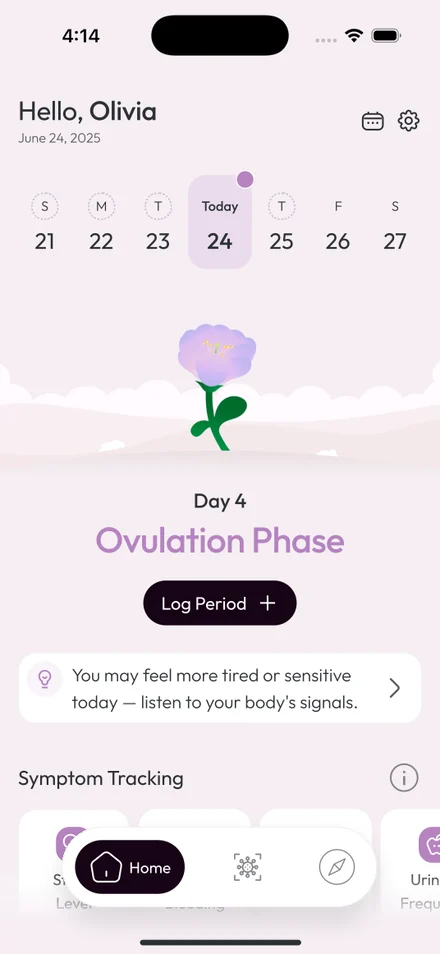
Your care doesn’t stop at the clinic door.
Nuvo Physio runs on Elle Santé — the women’s health platform we built right here. Your plan, your progress and your care team stay with you between visits, not just in the room.
Early access · iPhone and Android