Vaginismus
Specialized physiotherapy for involuntary pelvic floor muscle tightening. Compassionate, consent-based care at your pace.

You’re not imagining this. What you’re experiencing is real.
Vaginismus is an involuntary tightening of the pelvic floor muscles that makes vaginal penetration painful, difficult, or impossible. It is not your fault, it is treatable, and you are not alone.
Start with what you’re feeling
Why Vaginismus Can Feel Overwhelming
Understanding involuntary pelvic floor tension and its impact on your life
The physical sensation—tension, discomfort, or pain during or before attempted penetration—is only part of the story. Many people with vaginismus describe a cycle of fear, anticipation of pain, and deeper muscle tightness that can affect sexual intimacy, gynecological care, and everyday activities like tampon use. The emotional and relational toll can feel isolating, especially when loved ones don’t understand that you cannot simply relax or “just try harder.” What you’re experiencing is a real physiological response, not a reflection of your desire or willingness.
The good news: pelvic floor physiotherapy is specifically designed to help. By addressing the muscle tension, the nervous system’s fear response, and the cycle that keeps you stuck, we can help you regain control and comfort. Treatment is compassionate, evidence-based, and always respects your pace and consent. Many people experience significant improvement within months of consistent, gentle work.
[Image of person in supportive, calm environment – represents safety and consent-based care]
Why Vaginismus Can Feel Overwhelming
The physiology behind involuntary muscle tightening
Vaginismus involves an involuntary reflex contraction of the muscles surrounding the vaginal entrance and deeper pelvic floor muscles. This response can be triggered by anticipation of penetration, fear, or past experiences of pain. The muscles don’t relax on command—they’ve developed a protective pattern that, while understandable, prevents comfortable penetration. This can be primary (present since first attempt at penetration) or secondary (develops after a period of comfortable penetration, often following a painful experience or trauma).
The fear-pain-tension cycle is key: fear of pain triggers muscle guarding, tension increases perceived pain, and pain reinforces fear and muscle tightness. The nervous system learns to be protective, even when penetration is no longer actually dangerous. Pelvic floor physiotherapy works to interrupt this cycle by teaching the muscles to relax, desensitizing the nervous system’s protective response, and rebuilding confidence through gradual, consensual exposure. Education about the cycle—knowing it’s not weakness or failure—is often the first step toward healing.
[Anatomical illustration of pelvic floor muscles and relaxation vs. tension states]
How Vaginismus Affects the Pelvic Floor
Vaginismus responds well to structured pelvic floor physiotherapy. Rather than treating the symptom in isolation, we address the underlying muscle patterns, nervous system response, and emotional factors that contribute to involuntary tension. Our approach helps you reconnect with your pelvic floor, retrain muscle relaxation, and rebuild trust in your body.
Pelvic floor physiotherapy focuses on:
- Pelvic Floor Muscle Awareness & Relaxation Training — Learning to consciously relax your pelvic floor muscles is the foundation of vaginismus treatment. Many people are unaware of how much tension they’re holding. Through gentle assessment, biofeedback, and targeted relaxation exercises, we help you recognize and release that tension, both during sessions and in daily life.
- Graded Desensitization & Dilator Therapy — Gradual, consensual exposure—starting with breathwork and gentle internal awareness, progressing to dilators of increasing sizes at your pace—helps your nervous system learn that penetration doesn’t need to trigger a protective response. You’re always in control of the pace and depth, and we never push beyond your comfort zone.
- Fear & Pain Education — Understanding the fear-pain-tension cycle—and learning that your response is a protective reflex, not a personal failure—is transformative. Education about pain neuroscience, the role of anticipatory fear, and how your nervous system has learned to protect helps shift your relationship with the symptom.
- Breathing, Relaxation & Nervous System Regulation — Techniques like diaphragmatic breathing, progressive muscle relaxation, and grounding exercises help calm your nervous system and reduce the baseline muscle tension that fuels vaginismus. Regular practice outside sessions reinforces the relaxation response and builds resilience.
Why Physiotherapy Can Help with Vaginismus
Condition-first care that evolves with you.
Your care may involve:
- Specialized Pelvic Floor Physiotherapy — Our therapists have advanced training in vaginismus care, including gentle internal assessment (when appropriate and consented), pelvic floor muscle relaxation, dilator therapy progression, and nervous system regulation. Every session respects your boundaries and builds gradually.
- Collaborative Team Care — At Nuvo, we don’t just assign a therapist; we assign a team. We match you with the most appropriate clinician(s) based on your current phase of care—whether you need skilled hands-on treatment during the desensitization phase or predominantly educational guidance as you progress—to ensure the best fit for your recovery. If beneficial, we also coordinate with sex therapists, psychologists, or counselors in your network to address the emotional and relational dimensions of your care.
- Education & Guidance — Understanding what’s happening in your body—and why—is empowering. We provide detailed education about pelvic floor anatomy, the fear-pain-tension cycle, the role of anticipation and protective reflexes, and practical strategies for daily relaxation. You’ll leave each session with clear, achievable homework that builds on your progress.
- Long-term Support & Confidence Building — Vaginismus recovery isn’t linear, and we’re here for the whole journey. As you progress from relaxation and desensitization to dilator use to gradual resumption of intimacy, we adjust your care to match your evolving needs. Our goal is not just symptom relief—it’s rebuilding confidence, reducing shame, and helping you reclaim comfort and agency in your body and relationships.
[Image of supportive, calm clinic environment—represents safety and individualized care]
How Vaginismus Care Works at Nuvo Physio
Vaginismus often co-occurs with other pelvic concerns. We address the full picture.
- Dyspareunia (Painful Intercourse) — Pain during or after sexual intercourse can stem from vaginismus, vulvodynia, pelvic floor tension, or other causes. Our assessment identifies the root and tailors treatment accordingly.
- Vulvodynia & Vestibulodynia — Chronic vulvar pain or pain localized to the vestibule (entrance) often co-occurs with vaginismus. We address both the local tissue sensitization and pelvic floor tension patterns.
- Overactive Bladder — Pelvic floor tension and hypertonicity—which contribute to vaginismus—can also cause frequent or urgent urination. Relaxation and retraining benefit both conditions.
- Central Sensitization & Chronic Pelvic Pain — Widespread pain sensitivity or chronic pelvic pain may underlie or accompany vaginismus. Our nervous system-informed approach addresses the protective patterns at the root.
- Pelvic Floor Dysfunction — Vaginismus is a specific form of pelvic floor hypertonicity. We assess the full pelvic floor picture—bladder, bowel, sexual function, and posture—to optimize care.
- Perimenopause & Menopause — Hormonal changes can trigger or worsen vaginismus through reduced lubrication and tissue changes. We address both the physiological and muscular components.
- Post-Surgical Pelvic Recovery — If vaginismus developed or worsened after a gynecological procedure, cesarean, or other surgery, we address both scar tissue and protective pelvic floor patterns.
Your Path Forward: 3 Steps to Care
- “Tell Us What You’re Experiencing” — Book a consultation with a Nuvo Physio pelvic floor physiotherapist. Describe what you’re feeling—pain, difficulty with penetration, fear, or shame—and we’ll listen without judgment. Your intake includes a detailed history to understand the onset, triggers, and impact of your vaginismus, as well as any past experiences (including trauma) that may be relevant.
- “Get the Right Support” — During your first or second session, we’ll perform a careful, consensual assessment (internal palpation only if you’re ready and comfortable) to evaluate your pelvic floor muscles, identify areas of tension, and understand your specific pattern. We may recommend collaboration with other providers—a psychologist, sex therapist, or couples counselor—depending on your needs and preferences.
- “Begin Gradual, Compassionate Care” — Treatment begins with breathing, relaxation training, and education. As your nervous system settles and you gain confidence, we introduce graded desensitization and dilator therapy. Progress is always at your pace, with clear communication and full consent. Many people start noticing improvement—decreased anticipatory fear, better muscle relaxation, increased comfort—within the first 4-6 weeks.
Your Path Forward: 3 Steps to Care
Is vaginismus my fault? Can I just relax?
Will treatment be painful?
How long does vaginismus treatment take?
Can vaginismus be cured? Will it come back?
Can I involve my partner in my care?
For background on vaginismus, what causes it and what treatment involves, read our guide → Understanding vaginismus and its treatment.
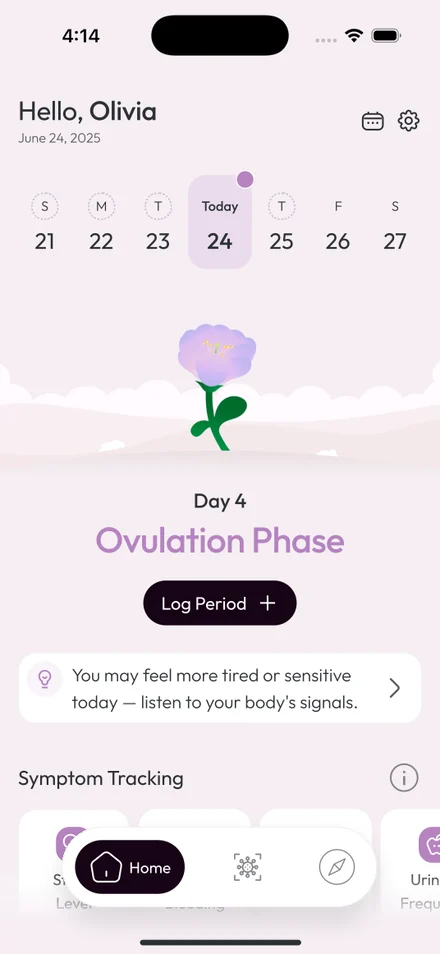
Your care doesn’t stop at the clinic door.
Nuvo Physio runs on Elle Santé — the women’s health platform we built right here. Your plan, your progress and your care team stay with you between visits, not just in the room.
Early access · iPhone and Android