10 Reasons Every New Mom Should See a Pelvic Floor Physiotherapist
By NuvoPhysio · Updated June 2, 2026

Giving birth is one of the most demanding physical experiences a body can go through, yet postpartum recovery is often left almost entirely to chance. At Nuvo Physio, our pelvic-health clinic in Montreal, we meet new moms every week who were told they were “all healed” at six weeks, only to discover months or years later that a leak, a heaviness, or a nagging ache never really went away. The good news is that the pelvic floor is muscle, and muscle responds beautifully to skilled, individualized care.
A pelvic floor physiotherapist (PFPT) is trained to assess and treat the very tissues that pregnancy and birth stress the most. Below are ten reasons every new mom should consider a pelvic floor assessment, no matter how their baby arrived or how long ago it was.
1. The six-week check-up is not a pelvic floor assessment
Your postpartum visit with your OB-GYN or midwife is essential, but it is not designed to screen for pelvic floor weakness, overactive (hypertonic) muscles, organ prolapse, or diastasis recti. If you return to your regular activities while your body is unprepared, you raise the chance of worsening a pre-existing issue or developing a new one, sometimes years down the road. Once you have the green light from your doctor or midwife, a PFPT can give you a far more complete picture of every tissue affected by your pregnancy and birth.
2. Birth is a physical event that deserves rehab
Pregnancy, the weight of the baby, and the hormonal shifts of those nine months all reshape the pelvic region in ways that can lead to dysfunction. Whether you delivered vaginally or by cesarean, some degree of stretching, tearing, or muscle change is normal. If you tore any other muscle in your body, you would see a rehabilitation therapist without a second thought. Gynecological tears, scars, and strains deserve exactly the same respect and the same proactive care. The difference is that, with the right guidance, this rehab can fit around feeds, naps, and the realities of caring for a newborn.
3. It is not just Kegels, and it is not just for leaking
Pelvic floor physiotherapy goes far beyond incontinence and Kegels. We also help with pelvic organ prolapse, painful intercourse, cramping, urinary urgency, and the changes that come with perimenopause and menopause. These problems arise for very different reasons. If your symptoms are driven by tight, over-recruited muscles, Kegels will not help, and they can actually make things worse. In that case, lengthening and down-training are what is needed. A PFPT determines whether your pelvic floor is overactive, weak, or both, and then builds a plan around what your body actually needs. That same assessment is what guides a safe, gradual return to running, lifting, and the activities you love.
4. Your low back pain may be a pelvic floor problem
Roughly 60% to 80% of pregnant women experience low back pain, and that pain is still present around two years later in 20% to 40% of them. Given the anatomy and the loads placed on a pregnant body, and the changes birth brings, addressing the pelvic floor while treating the low back often produces faster, longer-lasting relief. One study found that 95% of women with lumbopelvic pain also had pelvic floor dysfunction. Helping your pelvic floor work in harmony with the rest of your core may be the missing piece in resolving that stubborn back pain.
5. Your questions about your postpartum body are welcome
Many new moms wonder what their bodies will feel like and what intimacy will be like after a baby. The questions are real, but many people stay silent: surveys have found that 68% of adults worried about embarrassing their healthcare provider and 76% assumed no treatment existed for their concerns. We have heard these questions many times, and yes, there are treatments. During your sessions you learn about your own body in a way few other professionals can offer, which is why pelvic floor physiotherapy can be such an empowering way to reclaim your wellbeing and your sexuality. Nothing about your symptoms surprises us, and nothing about them is something you have to simply accept as the price of motherhood.
6. You can come at any stage, not just right after birth
Your muscles can adapt and recover months or even years after delivery, so it is never too late to start. You can book as soon as you are cleared for intercourse postpartum, or earlier for an external assessment and treatment. You can come during pregnancy if there are no complications, and even during your period. We understand normal body function and will never judge you or make you feel uncomfortable. In short, pelvic floor physiotherapy helps whether your baby arrived last month or several years ago.
7. Not every physiotherapist is trained in pelvic health
Pelvic floor physiotherapy is not an entry-level skill, and it is not taught at the university level. Pelvic-health physiotherapists pursue dedicated postgraduate training in internal assessment, evaluation, and treatment of pelvic floor dysfunction. Providers who do not perform internal exams simply cannot gather accurate information about your internal tissues and any dysfunction present. A PFPT can, and that distinction matters when you want answers rather than guesswork. When you book with a pelvic-health physiotherapist, you are choosing someone who has invested specifically in understanding the postpartum body, from the deep core and breathing mechanics to the way your pelvic floor coordinates with the rest of you.
8. Most people do Kegels wrong
Almost every new mom is told to “do your Kegels” by a doctor, a friend, or the internet. Yet our clients constantly say, “I am not sure I am doing them right.” Research backs this up: only about half of women perform Kegels correctly, and a quarter actually use a technique that could promote incontinence. Brief verbal instructions from a non-specialized provider, even a general physiotherapist, are often not enough. A PFPT is the right person to confirm you are contracting and relaxing the right muscles at the right time.
9. Pelvic-health clinics can be baby-friendly
We know that bringing a newborn to an appointment can feel like an obstacle, and that some clinics are simply not set up for it. That is one more reason a new mom might keep putting off care. Let us know you are arriving with a stroller and we will make sure your visit is comfortable. A welcoming, family-aware space removes one more barrier between you and the recovery you deserve. Bringing your baby along can even help us see how you move and lift in real life, so the advice you leave with fits your actual days.
10. It is usually covered, and it can save you money
Pelvic floor physiotherapy is covered by most insurance plans, just like traditional orthopedic physiotherapy. Some insurers require a prescription for any therapy, so call to confirm if you are unsure. Even without coverage, a handful of sessions can meaningfully reduce symptoms. Consider the cost of living with incontinence: women spend an estimated $900 to $2,100 a year on routine care and products. Treating the underlying problem, rather than only managing symptoms, can be economically worthwhile and improve your quality of life over the long run. Investing in a few sessions now can spare you years of pads, anxiety about leaks, and the quiet sense that something is not right.
A note on language
We recognize that people of any gender can give birth. For readability in this article, we use the word “mother” and female pronouns to refer to people who give birth, while welcoming every patient through our doors.
Frequently asked questions
When can I start pelvic floor physiotherapy after giving birth?
You can usually begin once your doctor or midwife has cleared you, often around the six-week mark, though we can start with an external assessment even earlier. There is no upper limit either; the pelvic floor responds to treatment months and years postpartum.
Do I have to have an internal exam?
An internal assessment gives the most accurate information about your pelvic floor, but it is always your choice. We explain everything, obtain your consent at every step, and can begin with external evaluation and education if you prefer.
Are Kegels enough on their own?
Not always. If your symptoms come from tight or overactive muscles, Kegels can make things worse. That is why we assess whether your pelvic floor needs strengthening, relaxation, or both before recommending any exercise.
Can I come if my baby is several years old?
Absolutely. It is never too late. Many of the moms we treat are years past their last delivery and still see real improvement in leakage, heaviness, pain, and core strength.
How do I book an appointment?
You can contact us to schedule an assessment. We will help you understand your coverage and what to expect at your first visit.
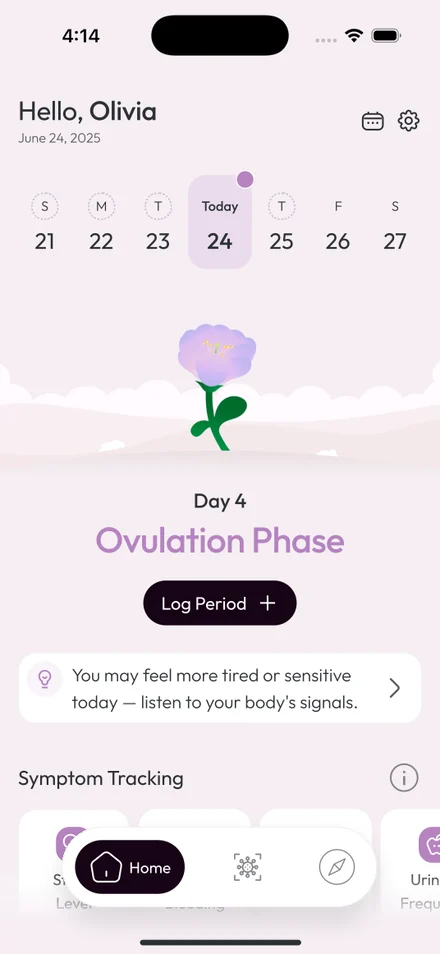
Your care doesn’t stop at the clinic door.
Nuvo Physio runs on Elle Santé — the women’s health platform we built right here. Your plan, your progress and your care team stay with you between visits, not just in the room.
Early access · iPhone and Android