10 Things Every Woman Should Know To Foster An Easier Labor And Childbirth
By Nuvo Physio · Updated June 2, 2026
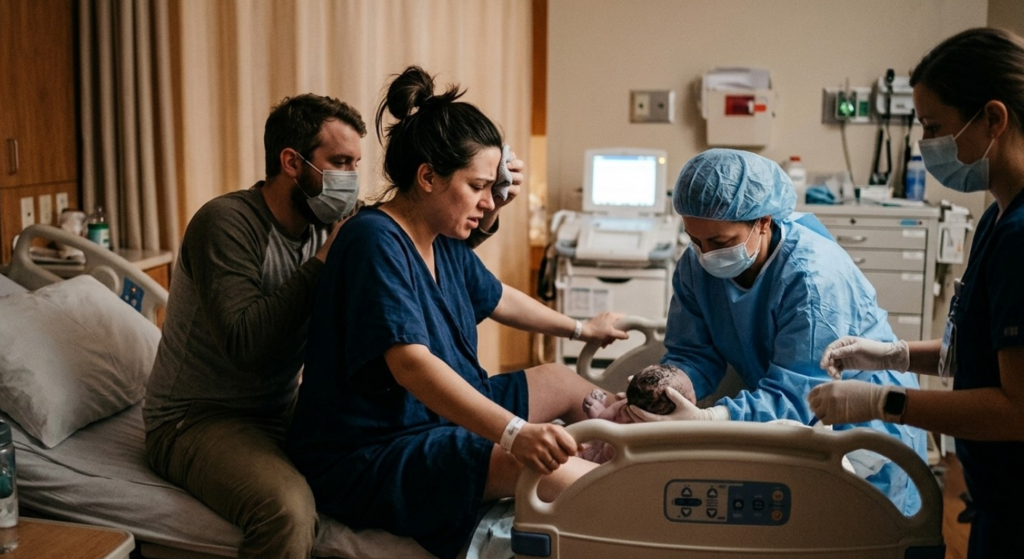
Few things feel as wonderfully out of your hands as labour. And yet, long before the first contraction, there is a surprising amount you can do to set the stage for a smoother, more comfortable birth. At Nuvo Physio, our Montreal pelvic-health team spends a lot of time helping expecting parents understand a simple truth: the way you sit, walk, sleep, and move in the final months of pregnancy shapes how your baby settles into the pelvis and how readily your body opens when the big day arrives.
None of this is about forcing an outcome. Birth is unpredictable, and a healthy baby is always the goal. But thoughtful daily habits and a well-prepared pelvic floor can genuinely tilt the odds toward an easier, more efficient labour. Below we walk through ten things every woman should know, the same guidance we share during prenatal and birth preparation sessions, organized into what to do before childbirth and what to keep in mind during it.
Why positioning matters before labour even begins
Your baby spends the third trimester finding a position to be born in. Ideally, that means head-down with the back of the head settled toward the front of your belly, a posture that lines up beautifully with the curves of the birth canal. The shape of your pelvis, the tone of your surrounding muscles, and the everyday positions you spend hours in all nudge your baby one way or another.
The pelvis is not a rigid ring. Its ligaments soften under the influence of pregnancy hormones, and the joints can subtly open and shift. That mobility is a gift, as long as you use it well. Slumped, twisted, or asymmetrical postures held day after day can tighten soft tissue on one side and gently steer your baby into a less ideal position. The habits below are designed to keep that space open, balanced, and inviting.
Before childbirth: six daily habits that prepare your body
1. Sleep and rest so your belly becomes a hammock
When you lie down, favour positions that let your belly hang forward and cradle the baby, rather than positions that press your bump back into your spine. Side-lying, slightly tipped toward your front with a pillow supporting the top knee, creates more room inside the pelvis and encourages the baby to settle into the gentle hammock your belly forms. Better fetal positioning often starts with how you rest.
2. Sit with your knees lower than your hips
This single tweak changes everything about how you load your pelvis. When your knees drop below hip level, your weight shifts onto your sitz bones, the two bony points at the base of the buttocks, instead of rolling back onto your tailbone. Sitting on the sitz bones lengthens the lower back and opens the pelvic outlet, the very space your baby must travel through. Wedge cushions or a folded towel under the back of the seat can help you find that forward tilt.
3. Trade your chair for a birth ball
A birth ball is one of the most useful tools of late pregnancy. Sitting on it while you work at the computer, eat at the table, or watch television gently strengthens the lower back and lets the pelvic floor release rather than clench. The slight instability keeps you mobile and upright. The same rule applies: keep your knees a little lower than your hips, and let your pelvis rock and circle freely.
4. Try sitting facing the back of a chair
Straddling a sturdy chair backwards, resting your forearms on its backrest, naturally settles you onto your sitz bones while letting your belly drift forward into that hammock shape. It is a comfortable, supported way to take pressure off your lower back during long stretches of sitting, and many people find it instantly relieving in the final weeks.
5. Keep your pelvis symmetrical
Be mindful of the lopsided habits we all fall into, sitting cross-legged on the same side, standing with your weight cocked onto one hip, or always crossing the same leg. Over time, uneven postures can tighten and torque the ligaments around the cervix and pelvis. Aiming for symmetry day to day helps everything stay balanced, which can reduce the kind of twisting that drags labour out. If you already notice one-sided tightness or pelvic girdle pain, it is worth having it assessed.
6. Walk briskly several times a week
Regular, comfortably brisk walks do quiet but important work. They lengthen the psoas, the deep pair of muscles that run like inner wings from the lower spine down to the thighs and that profoundly influence how the pelvis sits. Walking builds endurance in the lower back and keeps the psoas supple, both of which support better fetal positioning and a smoother descent when labour begins. As a bonus, the rhythmic, weight-shifting motion of walking encourages your baby to engage.
During childbirth: how to work with your body
7. Use your core muscles wisely
Pushing effectively is less about brute force and more about coordination. A well-timed contraction of the transverse abdominis, your deep corset-like abdominal muscle, working together with the downward action of the thoracic diaphragm, generates a far more efficient push than holding your breath and straining. Learning this breath-and-brace coordination before labour, something we practise during birth preparation, pays off when it counts.
8. Keep your pelvic floor relaxed and supple
This is the piece many people get backwards. While much of pelvic-floor training focuses on strengthening, the final stage of birth asks the opposite: a soft, lengthening, yielding pelvic floor that lets the baby pass through the birth canal. A pelvic floor that cannot release can slow things down and contribute to tearing. Learning to consciously let go, breathe down, and surrender that muscle group is one of the most valuable skills you can bring into the delivery room. The same release work supports recovery later and helps prevent bladder control issues postpartum.
9. Lying flat on your back is rarely the best position
The classic image of giving birth flat on the back is one of the least helpful positions for the body. It restricts movement at the sacrum, the wedge-shaped bone at the base of the spine that needs to flex backward to widen the pelvic outlet. Upright and forward-leaning positions almost always serve you better: squatting, kneeling on hands and knees, or lying on your side all free the sacrum and open more room for your baby. If your birth plan allows, ask to move and change positions throughout labour.
10. Free your sacrum, even on your back
Sometimes, because of an epidural, monitoring, or medical circumstances, lying on your back becomes necessary. If that happens, you can still protect your sacrum’s mobility. Tucking a small cushion, a folded blanket, or a soft water-filled pad under the sacrum lifts it off the bed and lets it move more freely, helping your baby descend through the pelvis even in a less-than-ideal position. Small adjustments still make a real difference.
How pelvic-floor physiotherapy fits in
Reading about these habits is a wonderful start, but a personalized assessment is where the real value lies. During prenatal physiotherapy we evaluate how your pelvic floor moves, whether it can both contract and fully release, how your breathing coordinates with your core, and whether any asymmetry or tension is worth addressing before your due date. We teach breathing and pushing mechanics, perineal preparation, and labour positions tailored to your body. This same continuity of care carries straight into your postpartum recovery, so you are supported on both sides of birth.
If you are pregnant in the Montreal area and want to feel more confident and prepared, we would love to help. You can book an appointment with our team at any stage of pregnancy.
Frequently asked questions
When in pregnancy should I start preparing for birth?
It is never too early to adopt good positioning and walking habits, and many people benefit from a prenatal physiotherapy assessment in the second trimester. Focused birth-preparation work, including perineal preparation and pushing mechanics, is typically most useful in the third trimester, roughly from weeks 32 to 36 onward.
Does a tight pelvic floor make birth harder?
It can. A pelvic floor that cannot relax and lengthen may slow your baby’s descent and increase the chance of tearing. That is why we emphasize learning to release the pelvic floor, not just strengthen it, in the weeks before delivery.
Is a birth ball actually worth using?
Yes. Sitting and gently moving on a birth ball encourages an upright, forward-leaning posture, eases lower-back tension, helps your pelvis stay mobile, and can encourage your baby into a favourable position. Just keep your knees slightly below your hips while you use it.
Can these tips guarantee an easier labour?
No honest physiotherapist would promise that, because birth has many factors outside anyone’s control. What good positioning, movement, and pelvic-floor preparation can do is improve your odds of a smoother, more efficient labour and help you feel more capable and in control along the way.
What if I have pelvic pain during pregnancy?
Pain is worth addressing rather than enduring. Pelvic girdle pain and one-sided tightness are common and very treatable. A pelvic-health physiotherapist can assess the cause, ease your symptoms, and adjust your preparation plan so you stay comfortable and well-positioned for birth.
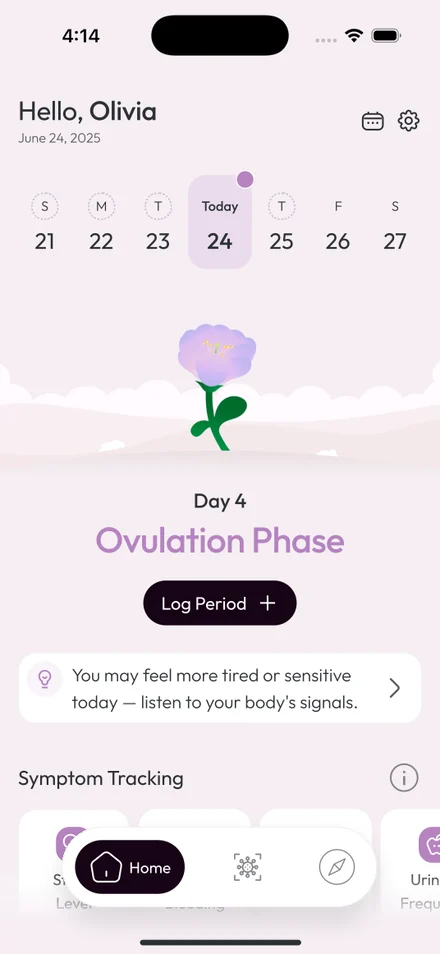
Your care doesn’t stop at the clinic door.
Nuvo Physio runs on Elle Santé — the women’s health platform we built right here. Your plan, your progress and your care team stay with you between visits, not just in the room.
Early access · iPhone and Android