Painful Intercourse: Causes and Treatment
By Nuvo Physio · Updated August 23, 2026

Pain with intercourse affects millions of women, yet most suffer in silence. They don’t talk to their doctor. They withdraw from partners. They assume something is “wrong” with them. Here’s what you need to know: Painful intercourse is common, it’s treatable, and you don’t have to accept it as normal.
Whether your pain is new or you’ve lived with it for years, physiotherapy can help. The first step toward relief is understanding what’s actually causing the pain.
The Multiple Causes of Painful Intercourse
Pelvic Floor Muscle Tension (Most Common)
The most common cause of painful intercourse is overactive pelvic floor muscles. These muscles form a supportive hammock beneath the pelvis and play an important role in sexual sensation and response. When chronically tight or “braced,” penetration becomes uncomfortable or painful.
This can happen for many reasons: chronic pain conditions like endometriosis, past trauma or negative sexual experiences, anxiety, stress, or learned habits of tension. The muscles learn to contract protectively, and this becomes your baseline state. During intercourse, further contraction triggered by anxiety or anticipation causes pain. The brain registers pain, which increases anxiety, which triggers more muscle contraction—a vicious cycle.
For many patients, the pain isn’t from tissue damage or disease—it’s from protective muscular guarding. This is actually good news because physiotherapy can address it directly.
Pelvic Pain Conditions
Conditions like endometriosis, vulvodynia, vaginismus, and interstitial cystitis cause localized pain or inflammation making intercourse uncomfortable. With endometriosis, pain occurs from inflamed lesions being irritated. With vulvodynia, specific vulvar areas are hypersensitive. Understanding your underlying condition helps us treat it appropriately.
Hormonal Factors
Hormonal changes affect tissue elasticity and lubrication. During perimenopause and menopause, declining estrogen reduces vaginal lubrication and tissue thickness, making penetration painful. Hormonal contraceptives can also affect lubrication. If hormonal factors contribute, work with your physician on hormonal management while addressing the muscular component physiotherapy treats.
Nerve Sensitization
Chronic pain conditions sensitize nerves in the pelvic region. Your nervous system learns to interpret normal sensations as painful—called central sensitization. With nerve sensitization, even light touch feels painful, and your protective response is amplified. Physiotherapy including nervous system education and desensitization helps turn down this neurological volume.
Post-Surgical Changes
After gynecological surgery (cesarean, hysterectomy, endometriosis excision), some women develop painful intercourse as scar tissue tightens, pelvic floor muscles tense protectively, or nerves are irritated. This is common after endometriosis surgery without post-surgical rehabilitation. Physiotherapy is essential in this context.
Psychological and Relational Factors
Pain with intercourse isn’t “all in your head,” but psychological factors do influence musculoskeletal response. Anxiety, past trauma, relationship stress, or negative messages about sex can all trigger protective muscle contraction. Understanding these psychological influences helps empower you to address them.
The Pain-Anxiety Cycle
Psychological factors create a powerful feedback loop. Fear of pain causes anticipatory anxiety. Your nervous system perceives a threat and activates protective muscle tension. This tension prevents the relaxation needed for comfortable penetration. When pain occurs, it confirms your expectation of pain, strengthening the anxiety response. Over time, you may begin avoiding intercourse entirely, which increases anxiety and can strain relationships.
Breaking this cycle requires addressing both the physical (muscular) and psychological (nervous system) components. Simply trying to “relax” or “push through” rarely works because the protective response is unconscious. Evidence-based physiotherapy combines manual treatment with education about how your nervous system has become overly protective—and crucially, how it can learn that sensation is safe again.
The Pelvic Floor’s Critical Role in Sexual Function
During arousal, pelvic floor muscles undergo rhythmic relaxation and contraction. They relax to allow blood flow and arousal response, then contract rhythmically during orgasm. If your pelvic floor muscles are chronically tense, they can’t relax adequately for arousal, and they may contract involuntarily during penetration, causing pain.
The Guarding Cycle
When you’ve experienced pain with intercourse, your brain learns to anticipate pain. Your pelvic floor muscles brace in advance as a protective response. This protective contraction actually prevents the relaxation that would allow comfortable penetration. So anticipatory anxiety triggers muscular guarding, which causes pain, which confirms your brain’s expectation of pain, which increases anxiety. The cycle perpetuates itself.
Breaking this cycle requires:
- Reducing muscular tension (physiotherapy)
- Addressing nervous system sensitivity (pain neuroscience education)
- Gradually resensitizing through safe, paced exposure (progressive exercise and gradual return to intercourse)
- Partner involvement and communication
How Physiotherapy Addresses Painful Intercourse
Assessment and Diagnosis
We begin with detailed history and thorough assessment, including internal palpation of pelvic floor muscles to understand their tension level, tone, coordination, and sensitivity. This assessment reveals the specific dysfunction driving your pain.
Pelvic Floor Relaxation
Using manual therapy, myofascial release, biofeedback, breathing exercises, and movement patterns, we help your pelvic floor muscles reset to a healthier baseline. The goal is teaching muscles to relax, not strengthening.
Nervous System Regulation
Through education about how pain works, we help you understand that your nervous system is overly protective—and this can be changed. We teach strategies to calm your nervous system: grounding techniques, breathing practices, paced exposure to sensation. Over time, your nervous system learns that sensation can be safe.
Specific Physiotherapy Techniques
Dilator Therapy
For vaginismus and pain-related penetration avoidance, we use vaginal dilators in a progressive series. Starting with the smallest size, you practice inserting and relaxing with the dilator in a safe, controlled environment. This desensitizes your nervous system, teaches your pelvic floor muscles the sensation of mild internal pressure, and builds confidence. Over weeks, you gradually progress to larger sizes, always at your comfort level. This technique is supported by extensive research and is highly effective for restoring comfortable penetration.
Manual Therapy and Myofascial Release
Your physiotherapist may perform hands-on treatment to release tightness in the pelvic floor muscles, surrounding connective tissue, and related muscles (hip, buttock, and pelvic attachments). This direct treatment breaks down tension patterns and provides immediate relief for many patients. We may use sustained pressure on tightness points, gentle stretching, or mobilization techniques to help muscles return to a more relaxed baseline.
Biofeedback
Using specialized equipment, we measure pelvic floor muscle tension in real-time. You can see your muscle activation on a monitor, which helps you learn to recognize and control tension. Biofeedback is particularly powerful because it provides immediate feedback on whether your relaxation efforts are working, accelerating the learning process.
Internal Assessment and Palpation
During your first appointment, your physiotherapist performs an internal palpation—inserting a gloved finger into the vagina to assess your pelvic floor muscles directly. This is done with your full consent and can feel vulnerable, but it’s essential for understanding where tension lives and how muscles are responding to your efforts. This assessment informs all subsequent treatment decisions.
Graduated Progression
We don’t jump straight to intercourse. We work progressively: first teaching pelvic floor awareness and relaxation at home with breathing and mindfulness, then introducing partner-assisted stretching or external massage, then using dilators if appropriate, then gradually working toward comfortable partner touch. Finally, when pelvic floor muscles are truly relaxed and desensitized, we support a gradual return to intercourse at your pace. This might involve positions that allow you more control, starting with external touch before penetration, and always maintaining communication with your partner. This gradual progression prevents re-triggering pain responses and builds confidence at each stage.
Partner Involvement and Communication Strategies
Sexual function is a couple’s issue. Partners often feel confused, rejected, or blamed when intercourse becomes painful. We directly involve partners in education and treatment so they understand:
- The pain isn’t about them: Many partners internalize the pain as a rejection or sign they’re doing something wrong. Understanding the physiology—that the pain is a nervous system and muscular response, not a conscious choice—relieves this burden.
- How to support healing: Partners learn specific communication strategies: checking in with their partner about comfort, slowing down when tension is felt, using lubricant generously, and being patient as sensation improves. They learn to recognize signs of muscle tension and to pause when they sense guarding.
- What to expect: Partners attend appointments to understand the treatment plan and what progress looks like. Knowing there’s a pathway to improvement helps them stay engaged and supportive.
Key Partner Communication Strategies
- Establish a signal: Agree on a way your partner can let you know they’re noticing tension (e.g., “I feel you tightening”). This removes the emotional charge—it’s not criticism, just feedback.
- Practice relaxation together: Your partner can help by maintaining slow, rhythmic touch and checking in frequently: “How does this feel?” “Are you relaxed?”
- Start with external touch: Even after pelvic floor muscles relax, many couples benefit from weeks of non-penetrative intimacy—touch, massage, external stimulation. This rebuilds pleasure association without the pressure of penetration.
- Go at your pace: Your partner should always defer to your comfort. If penetration becomes uncomfortable, backing off to less invasive touch maintains intimacy while avoiding pain.
- Use lubricant generously: Lubrication reduces friction and is essential for many people, especially those with hormonal or nerve-related dryness.
Specific Conditions We Address
Vaginismus: Involves involuntary pelvic floor muscle contraction triggered by attempted penetration. Physiotherapy is the primary treatment, using progressive desensitization with dilators.
Vulvodynia: Involves chronic pain in the vulva with localized burning or sharp pain. Physiotherapy addresses associated pelvic floor dysfunction and nervous system sensitization.
Endometriosis-Related Pain: Physiotherapy addresses both inflammatory pain and the secondary pelvic floor dysfunction endometriosis creates. As the pelvic floor relaxes and tissue mobility improves, pain typically decreases significantly.
When to Seek Help: Your First Appointment
Do You Need to See Your Doctor First?
Yes, seeing your primary care physician or gynecologist is the first step. Your doctor will:
- Rule out infections (UTI, yeast, STIs) or other medical conditions
- Assess for endometriosis, fibroids, or other tissue issues
- Review medications that might affect lubrication or sensation
- Discuss hormonal changes or deficiency
- Refer you to pelvic floor physiotherapy when appropriate
Once medical causes are ruled out or addressed, physiotherapy is the next step. Many physicians now recognize that pelvic floor physiotherapy is evidence-based treatment for painful intercourse and will refer you directly. If your doctor hasn’t mentioned it, you can request a referral to a pelvic floor physiotherapist.
What to Expect at Your First Appointment
History and Assessment (30-45 minutes)
Your first appointment begins with detailed conversation. Your physiotherapist will ask:
- When did the pain start and what were you doing when it began?
- Where exactly is the pain (entry, deep, all penetration, specific positions)?
- Has anything helped or made it worse?
- What’s your menstrual history and hormonal status?
- Past surgeries, injuries, or trauma?
- Current stress, relationship satisfaction, sexual history?
- What you hope to achieve with treatment?
This conversation helps identify patterns and underlying causes.
Physical Assessment
Your physiotherapist will perform:
- External assessment: Looking at the vulva and perineum, assessing muscle tone, symmetry, and visible tension
- Internal assessment (with your consent): Inserting a gloved finger to assess pelvic floor muscle tension, tone, coordination, and trigger points
- Movement assessment: How your pelvic floor responds to contraction and relaxation, coughing, or bearing down
This assessment reveals whether tension is the primary issue, whether specific spots are hyper-sensitive, and how your muscles coordinate.
Education and Treatment Plan
After assessment, your physiotherapist explains findings: what they felt, what it means, and why you’re experiencing pain. You’ll receive an initial treatment plan outlining:
- Frequency of appointments (typically 1-2 per week initially)
- Treatment approach (manual therapy, dilators, biofeedback, etc.)
- Home exercises and strategies
- Expected timeline for improvement
- How to track progress
Many patients report feeling immense relief just from understanding their pain and knowing there’s a pathway to improvement.
When to Seek Urgent Help
While painful intercourse is common and treatable, seek urgent medical attention if you experience:
- Severe pain during or after intercourse with fever (possible infection)
- Sudden onset of pain in a previously pain-free relationship (could indicate new pathology)
- Acute trauma during intercourse
- Heavy bleeding or discharge
- Severe pain unrelieved by over-the-counter medication
Frequently Asked Questions
Is painful intercourse normal?
No. Painful intercourse is common, but it’s not normal, and you should not accept it. Many women experience it, which is why we’re sharing this—to let you know you’re not alone. Pain with intercourse signals that something needs attention. It’s highly treatable, and many patients see dramatic improvement with appropriate care.
When should I see a physiotherapist?
See your physician first to rule out infections or other medical issues. Once medical causes are addressed, physiotherapy is appropriate. Seeing a physiotherapist earlier rather than later is better—the longer pain patterns persist, the more ingrained they become in your nervous system.
What happens at a first appointment?
Your appointment includes detailed conversation about your pain history, physical assessment (external and typically internal assessment of your pelvic floor muscles), and education about findings. We explain what’s causing your pain and outline a treatment plan. Many patients feel relief just from understanding and knowing there’s a pathway to improvement.
Can physiotherapy address painful intercourse without medication?
Yes, for many patients. If pain is driven by pelvic floor tension and nervous system sensitization, physiotherapy is highly effective. If hormonal factors contribute, medical management complements physiotherapy. The best approach is often multidisciplinary.
How can my partner support me?
Partners play an important role. Education helps them understand that pain isn’t about them or attraction. Specific strategies help: communicating about comfort, going slowly, using lubricant generously, supporting relaxation, and being patient as sensation improves. Many partners find that understanding the physiology makes them more supportive.
How long does physiotherapy treatment take?
Recovery timelines vary based on pain history and cause. Some patients see improvement within 2-3 weeks, while others with longstanding pain may require 8-12 weeks or longer. The key is consistency—regular appointments (typically 1-2 per week) combined with home practice accelerates progress. Think of it like physical therapy for any other injury: consistent effort compounds over time.
Will internal assessment feel painful?
Internal assessment can feel uncomfortable or vulnerable, but it shouldn’t be painful. Your physiotherapist will explain what they’re doing, go slowly, and stop if you ask. Many patients find the assessment actually relieves worry—finally understanding the source of pain is empowering. If assessment does cause pain, that itself is diagnostic information your physiotherapist uses to refine treatment.
Is painful intercourse permanent?
No. Painful intercourse is highly treatable. Most patients experience significant improvement or complete resolution with appropriate physiotherapy. Even cases with complex histories—trauma, longstanding pain, multiple failed treatments—respond well to evidence-based pelvic floor physiotherapy. The nervous system is plastic; it can learn that sensation is safe again.
What if I’ve had painful intercourse for years?
Long-standing pain is more ingrained in your nervous system, so recovery typically takes longer. However, the physiotherapy approach remains the same: gradually retraining your nervous system, releasing muscle tension, and rebuilding positive associations with sensation. The longer you’ve lived with pain, the more important it is to work with a physiotherapist who understands the neurobiology of chronic pain.
Will I ever feel comfortable with intimacy again?
Yes. With appropriate treatment, most patients restore comfortable, enjoyable intimacy. Recovery includes not just physical healing, but psychological healing—rebuilding confidence, pleasure, and connection with your partner. Many patients report that the journey through treatment actually deepens their relationship and appreciation for intimacy.
Ready to Reclaim Pain-Free Intimacy?
At Nuvo Physio, I understand the complex causes of painful intercourse and provide evidence-based physiotherapy to help you heal. Reclaiming comfortable, pain-free intimacy is possible.
Book a consultation to discuss your symptoms and how physiotherapy can help restore intimacy.
Disclaimer: This article is educational and does not replace professional medical advice. Consult your physician for diagnosis and treatment specific to your situation.
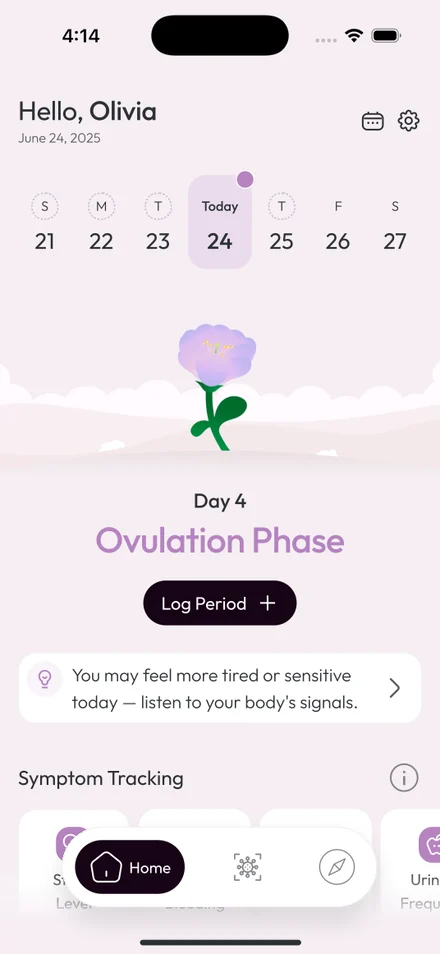
Your care doesn’t stop at the clinic door.
Nuvo Physio runs on Elle Santé — the women’s health platform we built right here. Your plan, your progress and your care team stay with you between visits, not just in the room.
Early access · iPhone and Android