Endo Belly & Visceral Mobility
Evidence-based visceral mobilization and pelvic physiotherapy to reduce abdominal bloating, restore organ mobility, and improve digestive comfort.

You’re not imagining this. What you’re experiencing is real.

Why endo belly can feel overwhelming
Understanding the relationship between endometriosis, inflammation, and abdominal distension
If you live with endometriosis, you may know the unpredictable, sometimes dramatic bloating that has come to be called “endo belly.” Your abdomen can swell to the point where you look months pregnant — and just as quickly, it may settle. The cycle is exhausting, and the lack of control can be deeply frustrating.
Endo belly isn’t simply bloating from food. It results from a complex interplay of pelvic inflammation, visceral adhesions, altered gut motility, and nervous system sensitization. Your organs — the bowel, uterus, bladder, and surrounding fascia — may be restricted in their natural glide and movement, creating pressure, distension, and pain. Understanding this helps explain why dietary changes alone often don’t resolve it. Recovery requires addressing the visceral and musculoskeletal layers that contribute to the problem.

How endo belly affects the body
How visceral restrictions, inflammation, and pelvic floor tension contribute to chronic bloating
Endometriosis-related inflammation and surgical adhesions can bind your pelvic and abdominal organs together, limiting their natural mobility. When the bowel can’t move freely, transit slows — leading to constipation, gas retention, and the distension that characterizes endo belly. The diaphragm and pelvic floor work together to regulate intra-abdominal pressure, and when either is restricted, the system loses its ability to manage bloating effectively.
Your pelvic floor muscles may be chronically tight as a protective response to years of pelvic pain, further compressing the organs below. The nervous system can amplify visceral sensations, making normal digestive activity feel painful. This creates a feedback loop: pain triggers guarding, guarding restricts mobility, restricted mobility worsens bloating. Visceral mobilization and pelvic floor physiotherapy work to break this cycle at multiple levels — releasing adhesions, restoring diaphragmatic function, and calming the nervous system’s response.
Why physiotherapy can help with endo belly
Physiotherapy does not cure endometriosis. But it can significantly reduce the severity and frequency of endo belly episodes by addressing the mechanical and neurological factors that drive bloating. Here’s how pelvic floor physiotherapy supports visceral recovery.
Pelvic floor physiotherapy focuses on:
- Visceral mobilization and adhesion management — Gentle manual techniques to restore the natural glide between your abdominal and pelvic organs, reducing restriction-driven bloating.
- Diaphragmatic breathing restoration — Retraining the coordination between your diaphragm and pelvic floor to regulate intra-abdominal pressure and support healthy gut motility.
- Pelvic floor tension release — Releasing chronic muscle guarding that compresses abdominal organs and contributes to pain, constipation, and distension.
- Nervous system regulation — Down-regulating visceral hypersensitivity so that normal digestive function is no longer amplified into discomfort and bloating.

How endo belly care works at Nuvo Physio
Condition-first care that evolves with you.
Care starts with understanding your bloating patterns, surgical history, digestive symptoms, and how your body responds to flare-ups. We look beyond the surface to assess visceral mobility, pelvic floor tone, breathing mechanics, and nervous system regulation — then build a plan that addresses the root contributors.
Your care may involve:
- Specialized Pelvic Physiotherapy — Evidence-based visceral mobilization, myofascial release, and pelvic floor retraining to reduce bloating and restore abdominal comfort.
- Collaborative Team Care — At Nuvo, we don’t just assign a therapist; we assign a team. We match you with the most appropriate clinician(s) based on your current phase of care — whether you need acute symptom management or longer-term visceral rehabilitation — to ensure the best fit for your recovery.
- Education and Guidance — Tools and support to manage flare-ups between visits, including breathing strategies, positioning techniques, and self-mobilization exercises.
- Long-term support — Sustainable recovery, not just quick fixes. We adjust the care team as your needs evolve from acute bloating management to long-term visceral health maintenance.
Common endo belly and visceral symptoms we support
Endo belly affects more than just your abdomen. We provide specialized care for the full range of visceral, digestive, and musculoskeletal symptoms that accompany chronic bloating. If you recognize yourself in any of these, we can help.
- Severe abdominal bloating and distension — Unpredictable swelling that fluctuates throughout the day or week.
- Chronic constipation or altered bowel habits — Sluggish transit, incomplete evacuation, or alternating patterns linked to visceral restriction.
- Pelvic pain during or after bloating episodes — Deep aching or pressure that accompanies abdominal distension.
- Post-surgical adhesion-related bloating — New or worsened bloating after laparoscopic surgery or excision.
- Painful intercourse linked to visceral tension — Discomfort during intimacy related to abdominal and pelvic organ restriction.
- Diaphragm restriction and shallow breathing — Inability to take a full breath, rib cage tightness, or feeling of abdominal compression.
- Nausea and visceral discomfort — Persistent gut discomfort, nausea, or feelings of abdominal heaviness not explained by GI diagnosis alone.
What to expect when you start care
- “Tell us what you’re feeling” — Answer a few guided questions about your bloating patterns, digestive symptoms, and how endo belly is affecting your daily life.
- “Get the right support” — We use your answers to guide the next steps and match you with the clinician best suited to your visceral and pelvic health needs.
- “Begin care at your pace” — Treatment is shaped around your comfort and goals. Whether your bloating is daily or episodic, we meet you where you are.
Endo belly and visceral mobility FAQs
Can physiotherapy actually help with endo belly?
What is visceral mobilization?
How many sessions will I need?
Is endo belly only related to endometriosis?
Can I combine visceral work with dietary changes?
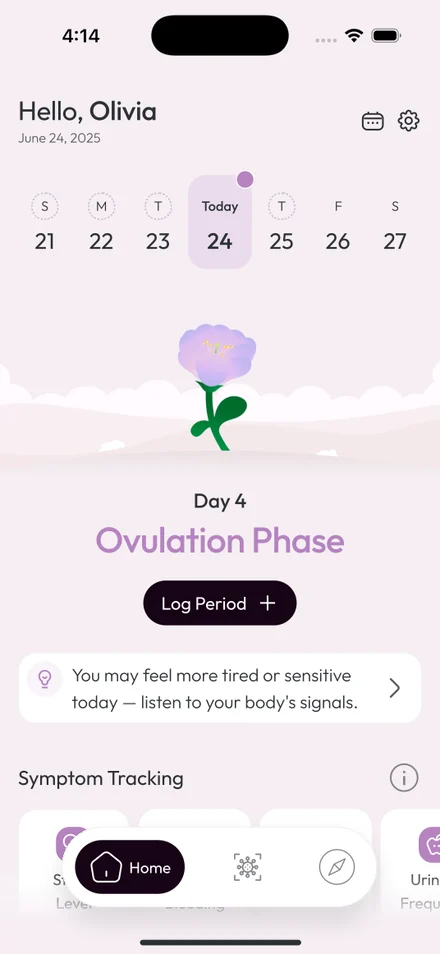
Your care doesn’t stop at the clinic door.
Nuvo Physio runs on Elle Santé — the women’s health platform we built right here. Your plan, your progress and your care team stay with you between visits, not just in the room.
Early access · iPhone and Android
Related articles

Living with Vulvodynia: Understanding Pain Relief and Effective Treatment

Pelvic Floor Preparation for Birth: Evidence-Based Strategies for Optimal Labor and Delivery