Living with Vulvodynia: Understanding Pain Relief and Effective Treatment
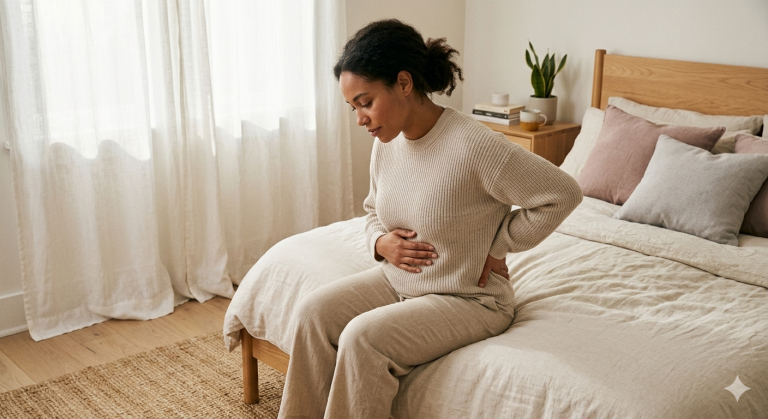
Vulvodynia is characterized by chronic pain, burning, or discomfort in the vulva—the external female genitalia—without an identifiable cause visible on examination. If you experience persistent vulvar pain that affects your daily activities, sleep, work concentration, intimate relationships, and overall quality of life, you may be living with vulvodynia.
This condition is more common than many women realize, affecting an estimated 8-10% of women at some point in their lives. Despite its prevalence, vulvodynia is often misdiagnosed, minimized, or attributed to psychological factors. At Nuvo Physio in Montreal, we recognize vulvodynia as a legitimate, physiologically-based condition that responds exceptionally well to specialized pelvic physiotherapy.
In this comprehensive guide, we’ll explore what vulvodynia is, why it develops, how it affects your life, and most importantly, what evidence-based treatments—particularly pelvic physiotherapy—can help you find relief and reclaim your wellbeing.
What is Vulvodynia?
Vulvodynia refers to chronic vulvar pain that lasts longer than three months and is not attributable to another medical diagnosis. The pain is often described as burning, stinging, rawness, throbbing, or stabbing sensations localized to the vulvar area. Unlike yeast infections or other vaginal infections, vulvodynia does not present with visible redness, discharge, or laboratory-confirmed infection.
The International Society for the Study of Vulvovaginal Disease (ISSVVD) categorizes vulvodynia into subtypes based on distribution and onset:
Localized Vulvodynia (Vestibulodynia)
Localized pain restricted to a specific area, most commonly the vulvar vestibule (the tissue surrounding the vaginal opening). This may be generalized throughout the vestibule or localized to a specific trigger point, often at the posterior fourchette (the area at the base of the vaginal opening). Localized vulvodynia is sometimes called vestibulodynia.
Generalized Vulvodynia
Pain diffuses across the entire vulvar area, including the labia majora, labia minora, clitoris, perineum, and anus. This type is often more widespread and may fluctuate in location and intensity.
Provoked vs. Unprovoked
- Provoked vulvodynia: Pain occurs in response to specific triggers, most commonly with intercourse or tampon use
- Unprovoked vulvodynia: Pain occurs spontaneously, without a clear trigger
Understanding the Causes and Contributing Factors
Vulvodynia is multifactorial—meaning multiple biological, psychological, and environmental factors contribute to its development. Research suggests several interconnected mechanisms:
Neurobiological Factors
Recent research indicates that vulvodynia involves altered nerve function and sensitivity:
- Peripheral sensitization: Nerve endings in the vulva become hypersensitive to normal stimuli
- Central sensitization: The brain and spinal cord amplify pain signals from the vulva, causing normal touch to feel painful
- Nerve density increases: Some women with vulvodynia have higher concentrations of nerve fibers in the vulvar tissue
- Neuroinflammation: Chronic inflammation of nerve tissues contributes to pain
Previous Infections or Vaginal Irritation
Recurrent yeast infections, bacterial vaginosis, or other vaginal infections can lead to chronic vulvar inflammation and pain that persists even after the infection resolves. The repeated inflammation and irritation can sensitize nerve endings.
Hormonal Factors
- Estrogen deficiency: Low estrogen levels can affect tissue elasticity, health, and pain sensitivity
- Hormonal contraceptive use: Some women report vulvodynia onset or worsening with hormonal contraceptive use; the mechanism isn’t fully understood
- Hormonal fluctuations: Pain may worsen during specific phases of the menstrual cycle
Trauma and Micro-injuries
- Childbirth trauma: Perineal tears, episiotomy, or instrumental delivery can trigger vulvodynia
- Medical procedures: Painful gynecological procedures or biopsies can sensitize nerve endings
- Cumulative micro-injuries: Repetitive friction, tight clothing, or aggressive hygiene practices can irritate tissues
Pelvic Floor Dysfunction
Many women with vulvodynia develop secondary pelvic floor muscle tension as a protective response to pain. However, some research suggests that pelvic floor dysfunction may also contribute to initial pain development. The relationship is bidirectional—pain causes tension, and tension can perpetuate or worsen pain.
Genetic and Familial Factors
Some evidence suggests genetic susceptibility to vulvodynia, though the exact mechanisms remain unclear. A history of other chronic pain conditions (migraine, fibromyalgia, IBS) increases vulvodynia risk.
Psychological and Environmental Factors
- Stress and anxiety: Chronic stress and anxiety increase overall pain sensitivity and pelvic floor muscle tension
- Sexual history and trauma: Previous painful or traumatic sexual experiences can condition pain responses
- Relationship factors: Relationship stress or lack of understanding from partners can perpetuate pain cycles
- Stress hypervigilance: Chronic pain often leads to increased body awareness and pain monitoring, which can amplify pain perception
How Vulvodynia Affects Daily Life
Living with vulvodynia extends far beyond the physical experience of pain. The condition profoundly affects multiple domains of functioning:
Sexual Function and Relationships
- Intercourse may be painful or impossible, leading to avoidance
- Reduced sexual desire due to fear of pain or anticipatory anxiety
- Intimate relationship stress or disconnection from partners
- Guilt, shame, or feeling “broken” sexually
- Communication challenges with partners about sexual needs
Work and Productivity
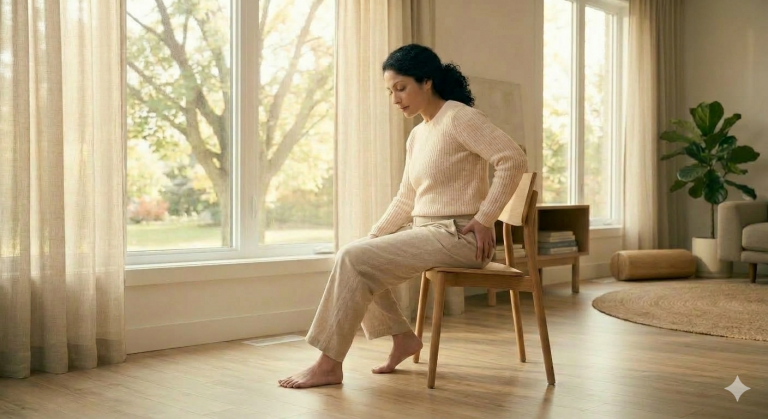
- Difficulty sitting for extended periods
- Concentration challenges due to chronic pain
- Work attendance issues or reduced work capacity
- Increased stress from managing pain alongside work demands
Mental Health
- Anxiety, particularly anticipatory anxiety about activities that trigger pain
- Depression, often related to chronic pain, relationship strain, and reduced quality of life
- Emotional exhaustion from managing chronic pain
- Reduced social engagement and isolation
Daily Activities and Self-Care
- Difficulty with activities requiring sitting (commuting, office work, driving)
- Challenges with hygiene practices due to pain with contact
- Difficulty exercising due to pain exacerbation with movement or friction
- Sleep disruption if pain worsens in certain positions
Medical Experiences
- Frustration with previous misdiagnosis or dismissal by healthcare providers
- Difficulty tolerating gynecological exams
- Hesitation to seek medical care due to previous negative experiences
- Testing fatigue from seeking answers
Pelvic Physiotherapy: Evidence-Based Treatment for Vulvodynia
Pelvic physiotherapy has the strongest evidence for treating vulvodynia. Our comprehensive approach addresses the physical, neurological, and psychological components of pain.
Assessment and Education
We begin with a detailed assessment, taking time to understand your symptoms, their onset, what triggers them, and how they’ve impacted your life. Many women find that simply being believed, having their pain validated, and understanding the physiological basis of vulvodynia provides significant psychological relief.
We educate you about:
- How normal tissue becomes sensitized through repeated inflammation or injury
- The role of central sensitization in pain amplification
- How pelvic floor tension perpetuates pain
- Why gentle, gradual treatment works better than aggressive approaches
This education empowers you to understand your body and participate actively in recovery.
Manual Therapy and Soft Tissue Release
Many women with vulvodynia benefit from gentle myofascial release and soft tissue mobilization:
- External soft tissue work: Releasing tension in the vulvar tissue, perineum, and surrounding structures
- Trigger point release: Identifying and gently releasing specific areas of intense sensitivity
- Lymphatic drainage techniques: Reducing inflammation and improving tissue fluid dynamics
- Progressive desensitization: Gradually introducing touch to vulvar tissue in a controlled, safe way
This manual work reduces tissue inflammation, improves circulation, and gradually desensitizes hypersensitive nerve endings.
Pelvic Floor Muscle Treatment
Since many women with vulvodynia develop secondary pelvic floor dysfunction, treatment typically includes:
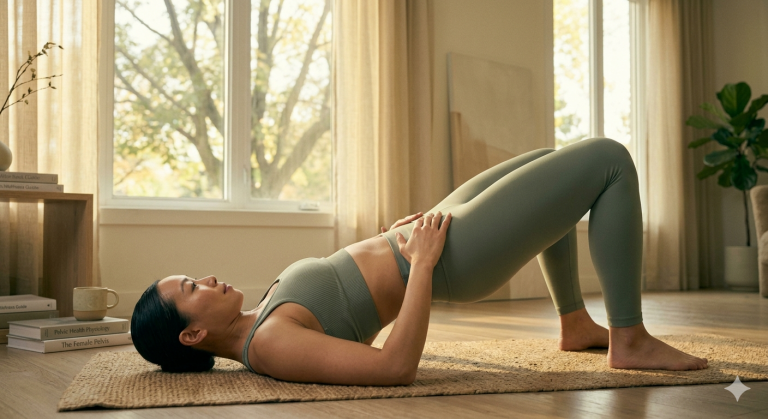
- Muscle relaxation training: Teaching conscious relaxation of pelvic floor muscles
- Release of myofascial trigger points: Internal and external release of chronically tight muscles
- Stretching and flexibility work: Hip stretches to reduce indirect pelvic floor tension
- Breathing techniques: Using breath to facilitate nervous system regulation and muscle relaxation
Desensitization and Exposure
Gradual, controlled exposure helps reprogram the nervous system to interpret vulvar touch as safe:
- External desensitization: Starting with gentle external touch and gradually progressing
- Graduated exposure: Following your comfort level, never forcing progression
- Home practice: Gentle, self-directed desensitization exercises
- Sexual rehabilitation: Gradual return to sexual activity with partner support
Nervous System Regulation
Since central sensitization amplifies pain signals, helping your nervous system shift from threat-detection mode to safety mode is crucial:
- Relaxation techniques: Progressive muscle relaxation, deep breathing, and meditation
- Stress reduction practices: Mindfulness, yoga, and other evidence-based approaches
- Sleep optimization: Addressing sleep disruption that perpetuates pain sensitization
- Activity pacing: Balancing activity to avoid overload that triggers pain flares
Psychological and Emotional Support
While physiotherapists are not psychologists, we integrate psychological principles:
- Pain psychology education: Understanding how thoughts and emotions influence pain
- Cognitive reframing: Addressing unhelpful thoughts about pain, sexuality, and recovery
- Anxiety management: Techniques to manage fear and anticipatory anxiety
- Communication skills: Tools for discussing vulvodynia with partners and healthcare providers
We often recommend concurrent psychological support, particularly for women with significant anxiety, trauma history, or relationship challenges.
Lifestyle Strategies for Vulvodynia Management
Beyond physiotherapy, several lifestyle modifications help manage symptoms and support healing:
Clothing and Friction Management
- Wear loose, breathable clothing: Avoid tight pants, underwear, or activities that cause vulvar friction
- Choose natural fibers: Cotton underwear allows better ventilation
- Consider going commando at home: Reducing friction and pressure on sensitive tissues
- Avoid prolonged sitting when possible: Take breaks, use cushions if needed
Hygiene Practices
- Gentle cleansing only: Avoid douching, scented products, and aggressive cleaning
- Use warm water: Hot water can irritate sensitive tissue; lukewarm water is gentler
- Avoid irritants: Skip perfumed products, heavily scented soaps, dyes, and harsh chemicals
- Patting dry: Avoid rubbing with towels; pat gently instead
Sexual Activity Modifications
- Communication with partners: Discuss pain, limitations, and preferences openly
- Prioritize comfort over performance: Focus on connection and pleasure rather than specific sexual acts
- Use lubrication: Quality lubrication reduces friction and irritation
- Non-penetrative intimacy: Explore other forms of sexual contact that don’t trigger pain
- Pacing: Shorter, more frequent intimate sessions rather than prolonged pressure
Diet and Nutrition
- Stay well-hydrated: Dehydration increases tissue irritability
- Consider anti-inflammatory foods: Omega-3s, fruits, and vegetables may help reduce chronic inflammation
- Limit potential irritants: Some women find that certain foods (spicy foods, caffeine, alcohol) worsen symptoms
- Work with a nutritionist: If dietary factors seem significant, professional guidance helps
Stress and Emotional Health
- Regular relaxation practice: Daily meditation, breathing exercises, or yoga
- Physical activity: Gentle movement like walking, swimming, or low-impact exercise reduces pain and improves mood
- Social connection: Maintaining relationships and social engagement combats isolation
- Mental health support: Therapy for concurrent anxiety or depression significantly improves outcomes
- Pain management classes: Specialized programs help build coping skills
Sleep Optimization
- Maintain good sleep hygiene: Regular schedule, cool dark room, limited screen time before bed
- Pain management before bed: Relaxation exercises or warm baths can reduce pain that disrupts sleep
- Body positioning: Finding comfortable sleep positions that don’t pressure sensitive areas
- Address sleep-disrupting factors: If pain wakes you, work with your physiotherapist on positioning
Medical Treatments and Considerations
While pelvic physiotherapy is highly effective, some women benefit from additional medical approaches. Discuss these options with your healthcare provider:
Topical Treatments
- Anesthetic creams: Topical lidocaine can provide temporary pain relief before intercourse
- Estrogen creams: For women with low estrogen-related vulvodynia
- Compound topicals: Compounding pharmacies can create customized topical treatments
Oral Medications
- Tricyclic antidepressants: Amitriptyline is often effective for neuropathic pain
- Anti-seizure medications: Gabapentin or pregabalin can help with pain sensitivity
- Muscle relaxants: In some cases, may help with pelvic floor tension
Interventional Procedures
- Vulvar vestibulectomy: Surgical removal of sensitized tissue; considered only after conservative treatment fails
- Nerve blocks: Targeted anesthetic blocks to disrupt pain signals
Medical treatments are often most effective when combined with pelvic physiotherapy.
Recovery and Realistic Expectations
Recovery from vulvodynia varies based on severity, how long you’ve had it, and contributing factors. However, most women experience significant improvement with evidence-based treatment:
- First 4-6 weeks: Increased understanding of pain patterns; initial reduction in anxiety; some pain improvement
- 8-12 weeks: Noticeable reduction in pain intensity and frequency; improved sexual function; better coping skills
- 3-6 months: Substantial pain reduction; many women report returning to pain-free or nearly pain-free intercourse
- 6-12 months: Continued improvement; most women with mild to moderate vulvodynia achieve resolution
Consistency with treatment, addressing psychological factors, and open communication with partners significantly improve outcomes.
FAQ: Commonly Asked Questions About Vulvodynia
Is vulvodynia permanent?
No. With appropriate treatment—particularly pelvic physiotherapy combined with psychological support—most women achieve substantial pain reduction or complete resolution. The condition is highly treatable, especially when addressed early. Even chronic cases improve significantly with proper intervention.
Does vulvodynia get worse with age?
Vulvodynia doesn’t have a predictable progression with age. Some women experience improvement over time, particularly if they receive treatment. Others may have fluctuating symptoms. Hormonal changes with aging can affect symptoms, but proper management helps throughout life.
Can I have intercourse with vulvodynia?
Initially, yes—intercourse may trigger or worsen pain. However, with gradual desensitization and treatment, most women progressively improve their ability to have intercourse. During treatment, non-penetrative sexual activities help maintain intimacy without aggravating pain.
Is vulvodynia the same as dyspareunia (painful intercourse)?
Dyspareunia is a symptom (pain with intercourse) that can result from various causes, including vulvodynia, endometriosis, infections, or anatomical issues. Vulvodynia is a specific condition causing chronic vulvar pain, which often manifests as dyspareunia. Not all dyspareunia is vulvodynia, and not all vulvodynia causes dyspareunia.
How is vulvodynia related to central sensitization?
Central sensitization—where the nervous system amplifies pain signals—is thought to play a significant role in vulvodynia. The pain starts as peripheral sensitization (nerve ending hypersensitivity), but over time, the central nervous system amplifies these signals, making the pain more severe. Treatment addresses both peripheral and central sensitization.
Does vulvodynia affect fertility?
Vulvodynia itself doesn’t affect fertility, but the pain associated with intercourse can make conception challenging. Once pain is managed through physiotherapy, most women can have pain-free intercourse and conceive normally if desired.
Living Well with Vulvodynia
Living with vulvodynia is challenging, but it’s important to know that recovery is possible. You’re not alone—thousands of women experience this condition and go on to find relief and reclaim their quality of life.
At Nuvo Physio, our compassionate team specializes in treating vulvodynia with evidence-based pelvic physiotherapy. We understand the physical, emotional, and relational impact of this condition, and we’re committed to helping you find lasting relief.
Book a consultation at Nuvo Physio to start your recovery journey. During your first appointment, we’ll conduct a thorough assessment, validate your experience, and create a personalized treatment plan. You deserve to feel comfortable in your body and enjoy pain-free intimacy. Let us help you get there.