Interstitial Cystitis
First-line pelvic floor physiotherapy to reduce bladder pain, urgency, and frequency — helping you regain comfort and control.

You’re not imagining this. What you’re experiencing is real.

Why interstitial cystitis can feel overwhelming
Understanding the toll of chronic bladder pain on daily life
Living with interstitial cystitis means organizing your entire life around your bladder. You may need to know where every bathroom is before leaving the house. You may wake multiple times at night. The constant urgency, burning, and pressure can leave you exhausted, anxious, and increasingly isolated. And because IC symptoms are invisible, the people around you may not understand the severity of what you’re experiencing.
Many patients in Montreal spend years being told their symptoms are “just a UTI” or that nothing is wrong because their cultures come back negative. But interstitial cystitis is a recognized, diagnosable condition — and pelvic floor physiotherapy is recommended as a first-line treatment by the American Urological Association and the Canadian Urological Association. Understanding that your symptoms have identifiable, treatable causes is the beginning of regaining control.
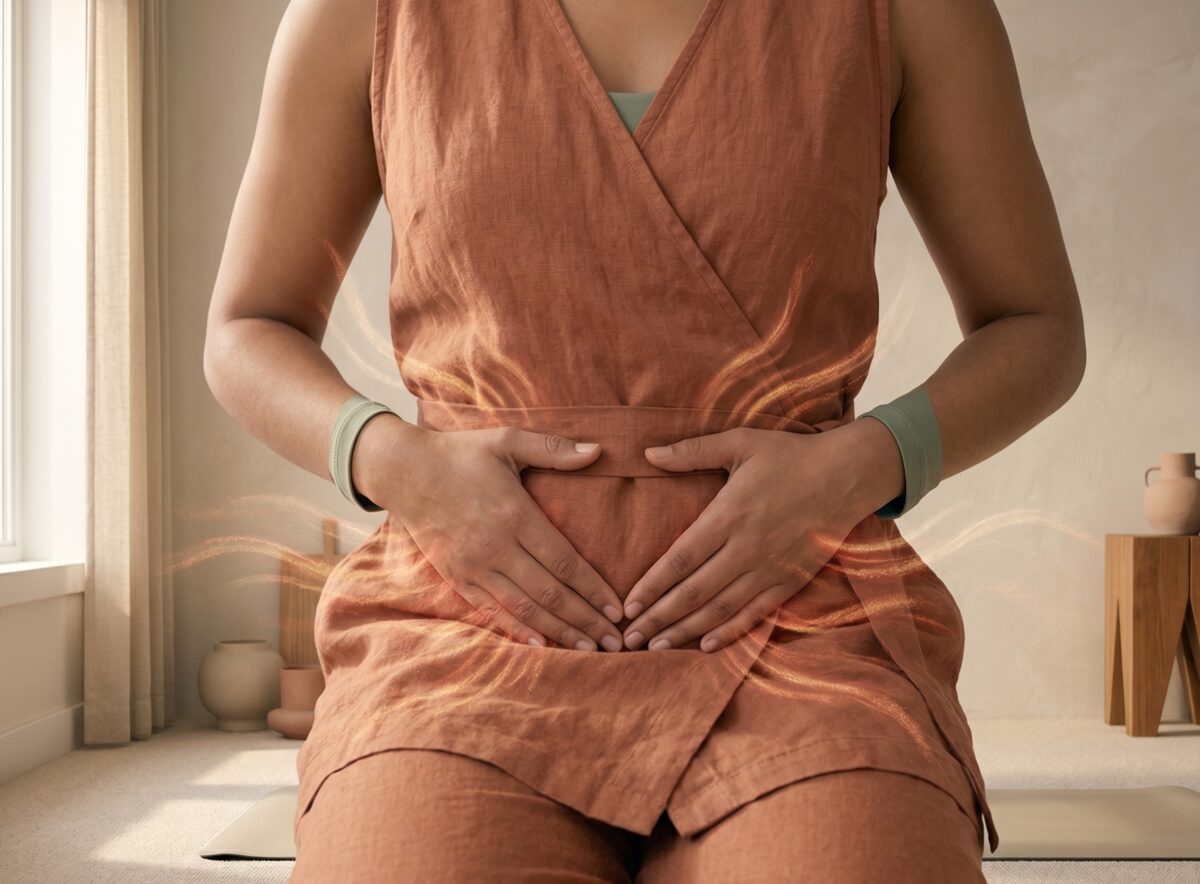
How interstitial cystitis affects the body
How bladder sensitivity, pelvic floor dysfunction, and nervous system amplification interact
Interstitial cystitis is more than a bladder problem. The bladder lining may be compromised, allowing irritants to trigger inflammation and pain. But the surrounding pelvic floor muscles almost always become part of the condition — tightening in response to bladder pain and creating a cycle of tension that amplifies urgency and frequency. Many IC patients have trigger points in the pelvic floor that, when released, significantly reduce bladder symptoms.
Your nervous system plays a central role. Central sensitization — where the brain and spinal cord become increasingly responsive to bladder signals — means that even small amounts of urine can trigger intense urgency and pain. This is why traditional UTI treatments don’t work for IC: the problem isn’t bacterial infection, it’s a hypersensitized nervous system and a pelvic floor locked in protective guarding. Physiotherapy addresses both the muscle dysfunction and the neural amplification that sustain IC symptoms.
Why physiotherapy can help with interstitial cystitis
Physiotherapy does not cure interstitial cystitis. But it is recognized as a first-line treatment because it addresses the pelvic floor dysfunction and nervous system sensitization that drive the most disabling symptoms. Here’s how pelvic floor physiotherapy supports your recovery.
Pelvic floor physiotherapy focuses on:
- Pelvic floor muscle down-training — Releasing the chronic tension and trigger points in your pelvic floor muscles that amplify bladder urgency, frequency, and pain.
- Bladder retraining — Structured protocols to gradually increase your bladder capacity and reduce the urgency-frequency cycle, helping you regain control over your voiding patterns.
- Nervous system regulation — Pain neuroscience education and techniques to down-regulate central sensitization, reducing the brain’s amplified response to normal bladder filling.
- Flare management and self-care strategies — Tools to manage symptom flares including breathing techniques, positioning, dietary awareness, and stress reduction strategies.

How interstitial cystitis care works at Nuvo Physio
Condition-first care that evolves with you.
Care starts with understanding your symptom patterns, triggers, and how IC is affecting your daily life. We assess your pelvic floor muscle tone, identify trigger points, evaluate your bladder habits, and understand your nervous system response — then build a plan that targets the specific drivers of your symptoms.
Your care may involve:
- Specialized Pelvic Physiotherapy — Evidence-based manual therapy, pelvic floor down-training, trigger point release, and bladder retraining specifically designed for IC and painful bladder syndrome.
- Collaborative Team Care — At Nuvo, we don’t just assign a therapist; we assign a team. We match you with the most appropriate clinician(s) based on your current phase of care — whether you need acute flare management or long-term function restoration — to ensure the best fit for your recovery.
- Education and Guidance — Tools and support to manage symptoms between visits, including bladder diary tracking, dietary trigger identification, and nervous system calming techniques.
- Long-term support — Sustainable recovery, not just quick fixes. We adjust the care team as your needs evolve from acute symptom management to long-term bladder health and quality of life.
Common interstitial cystitis symptoms we support
Interstitial cystitis affects the bladder, pelvic floor, and nervous system simultaneously. We provide specialized care for the full range of IC-related symptoms. If you recognize yourself in any of these, we can help.
- Bladder pain and pressure — Chronic discomfort that worsens as the bladder fills and may partially improve after urinating.
- Urinary urgency and frequency — Needing to urinate frequently and urgently, sometimes dozens of times per day.
- Pelvic floor pain and muscle tension — Deep aching, spasm, or tenderness in the pelvic floor muscles.
- Pain during or after intercourse — Dyspareunia related to pelvic floor tension and bladder sensitivity.
- Nighttime urination (nocturia) — Waking multiple times at night to urinate, disrupting sleep and recovery.
- Symptom flares triggered by diet or stress — Episodic worsening of symptoms related to specific foods, beverages, or emotional stress.
- Vulvar or urethral burning — Persistent burning or irritation at the urethra or vulva accompanying bladder symptoms.
What to expect when you start care
- “Tell us what you’re feeling” — Answer a few guided questions about your bladder symptoms, urgency patterns, and how IC is affecting your daily life.
- “Get the right support” — We use your answers to guide the next steps and match you with the clinician best suited to your specific bladder and pelvic floor needs.
- “Begin care at your pace” — Treatment is shaped around your comfort and goals. Whether your symptoms are mild or severe, we meet you where you are.
Interstitial cystitis FAQs
Is pelvic physiotherapy really a first-line treatment for IC?
How is IC different from a urinary tract infection?
Can dietary changes help alongside physiotherapy?
How long before I see improvement?
Do I need a formal IC diagnosis to start treatment?
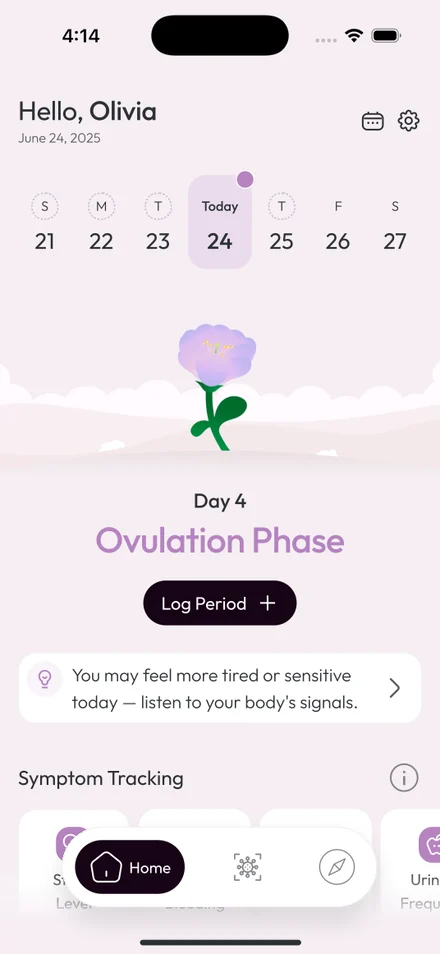
Your care doesn’t stop at the clinic door.
Nuvo Physio runs on Elle Santé — the women’s health platform we built right here. Your plan, your progress and your care team stay with you between visits, not just in the room.
Early access · iPhone and Android