Endometriosis
Evidence-based pelvic floor physiotherapy to manage endometriosis pain, reduce muscle tension, restore mobility, and support you before and after surgery — so you can live more fully despite endo.
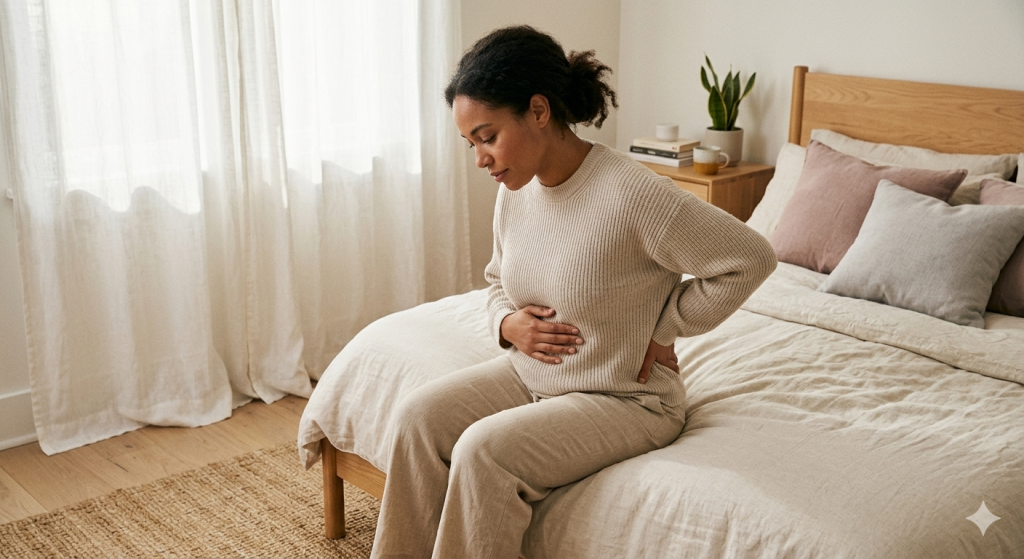
You’re not imagining this. What you’re experiencing is real.

Why endometriosis can feel so overwhelming
Understanding the toll of endo on daily life
Living with endometriosis means navigating a condition that affects everything — from how you move to how you sleep, work, and connect with the people around you. The pain can be constant or cyclical, dull or sharp, and it often extends far beyond your period. You may have spent years being told your pain is normal, being dismissed, or being offered treatments that don’t address the full picture.
Endometriosis affects approximately 1 in 10 women and people assigned female at birth. Yet despite its prevalence, the average diagnosis takes 7–10 years. During that time, pain, inflammation, and adhesions can create lasting changes in the pelvic floor, abdomen, and nervous system. Pelvic floor physiotherapy doesn’t treat the disease itself — but it is one of the most effective ways to manage the pain, muscle dysfunction, and movement limitations that endometriosis creates. Whether you’ve been recently diagnosed, are waiting for surgery, or are years into your endo journey, physiotherapy can help you regain function and reduce suffering.
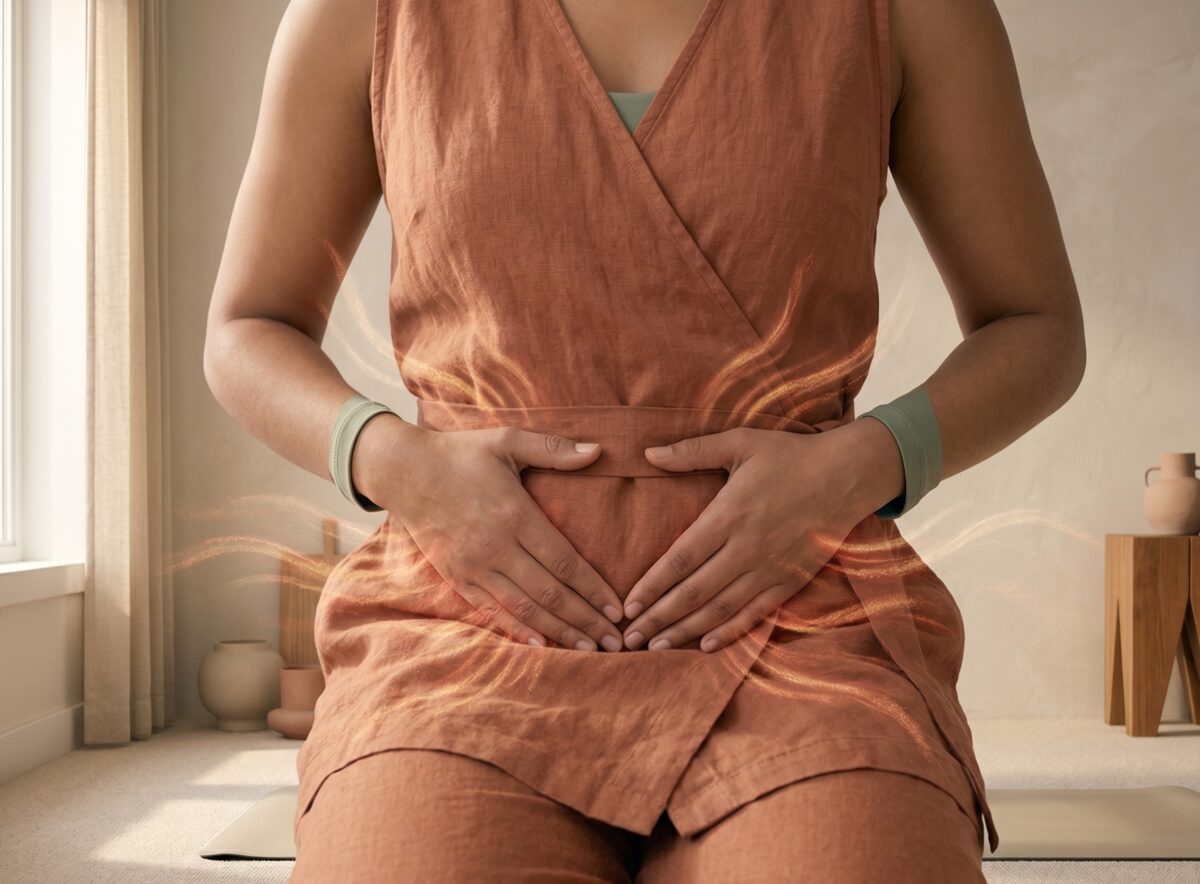
How endometriosis affects the body
How inflammation, adhesions, and the nervous system create a cycle of pain and dysfunction
Endometriosis is a chronic inflammatory condition where tissue similar to the uterine lining grows outside the uterus — on the ovaries, fallopian tubes, bowel, bladder, and pelvic sidewalls. This tissue responds to hormonal cycles, causing inflammation, scarring, and adhesions that bind organs together and restrict their natural movement.
But the impact goes beyond the lesions themselves. Chronic inflammation sensitizes the nervous system, amplifying pain signals so that even normal sensations become painful (a process called central sensitization). The pelvic floor muscles respond to ongoing pain by tightening protectively — creating a secondary layer of muscle tension, spasm, and dysfunction that persists even between flares. This tension contributes to painful intercourse, bladder urgency, bowel difficulties, and deep pelvic aching. Adhesions restrict organ mobility, affecting how the bladder, bowel, and uterus move relative to each other. Physiotherapy addresses the muscle tension, movement restrictions, and nervous system sensitization that drive your day-to-day symptoms — working alongside your medical team to give you the most comprehensive care possible.
Why physiotherapy can help with endometriosis
Physiotherapy does not cure endometriosis or replace surgical or hormonal treatment. But it is a critical part of comprehensive endo care because it addresses the pelvic floor tension, adhesion-related restrictions, and nervous system sensitization that drive the most disabling day-to-day symptoms. Here’s how pelvic floor physiotherapy supports your recovery.
Pelvic floor physiotherapy focuses on:
- Pelvic floor muscle release and retraining — Releasing chronic tension and spasm in the pelvic floor muscles that develop as a protective response to endo pain, restoring normal muscle function and reducing pain during daily activities and intercourse.
- Visceral mobilization — Gentle manual techniques to restore mobility around organs affected by adhesions and inflammation, improving how the bladder, bowel, and reproductive organs move relative to each other and reducing the pulling sensations and deep aching that adhesions cause.
- Pain neuroscience education and nervous system down-regulation — Helping your nervous system recalibrate its pain response through education, breathing techniques, graded exposure, and movement strategies that reduce central sensitization and break the pain-tension cycle.
- Functional movement and exercise rehabilitation — Rebuilding strength, core stability, and movement confidence with individualized programs that respect your pain levels, support your recovery after surgery, and help you return to the activities that matter to you.

How endometriosis care works at Nuvo Physio
Condition-first care that evolves with you.
Care starts with understanding your specific symptom pattern — where your pain is, what triggers it, how it affects your daily function, and where you are in your treatment journey. We assess your pelvic floor tone and function, visceral mobility, abdominal wall integrity, and nervous system sensitivity — then build a plan that targets the specific drivers of your symptoms.
Your care may involve:
- Specialized Pelvic Physiotherapy — Evidence-based pelvic floor release, visceral mobilization, myofascial techniques, pain neuroscience education, and movement rehabilitation specifically designed for endometriosis and its associated conditions.
- Collaborative Team Care — At Nuvo, we don’t just assign a therapist; we assign a team. We match you with the most appropriate clinician(s) based on your current phase of care — whether you need acute pain management, pre-surgical optimization, post-surgical recovery, or long-term maintenance — to ensure the best fit for your recovery.
- Education and Guidance — Tools and support to manage symptoms between visits, including self-release techniques, movement modifications, flare management strategies, breathing practices, and guidance on coordinating with your gynecologist, surgeon, or other specialists.
- Long-term support — Sustainable management, not just crisis care. We adjust the care team as your needs evolve through different phases of your endo journey — from acute flares to surgical recovery to long-term quality of life.
Common endometriosis symptoms we support
Endometriosis affects pelvic function, pain processing, and daily life simultaneously. We provide specialized care for the full range of endo-related symptoms. If you recognize yourself in any of these, we can help.
- Chronic pelvic pain — Persistent aching, cramping, or sharp pain in the pelvis, lower abdomen, or lower back that extends beyond menstruation and interferes with daily activities.
- Painful intercourse (dyspareunia) — Deep or superficial pain during or after sexual activity related to pelvic floor tension, adhesions, or nervous system sensitization from endometriosis.
- Endo belly and bloating — Abdominal distension, bloating, and visceral discomfort related to inflammation, adhesion-restricted organ mobility, and altered gut motility.
- Post-surgical recovery — Pain, stiffness, scar tissue restrictions, and pelvic floor dysfunction following laparoscopy, excision surgery, or other endo-related procedures.
- Bladder urgency and frequency — Urgency, frequency, or pain with urination related to endometriosis lesions near the bladder or pelvic floor tension affecting bladder function.
- Bowel dysfunction — Constipation, painful bowel movements, bloating, or alternating bowel habits related to adhesions, inflammation, or pelvic floor tension from endometriosis.
- Pre-surgical preparation — Optimizing pelvic floor function, core strength, and movement patterns before planned endometriosis surgery to support faster and more complete recovery.
What to expect when you start care
- “Tell us what you’re feeling” — Answer a few guided questions about your pain patterns, symptom triggers, surgical history, and how endometriosis is affecting your daily life and activities.
- “Get the right support” — We use your answers to guide the next steps and match you with the clinician best suited to your specific endo-related needs.
- “Begin care at your pace” — Treatment is shaped around your comfort and goals. Whether you’re in an acute flare or seeking long-term management, we meet you where you are.
Endometriosis FAQs
Can physiotherapy treat endometriosis?
Should I see a physio before or after endo surgery?
I also have painful intercourse — can you help with that?
How long does endometriosis physiotherapy take?
Do I need a diagnosis to start?
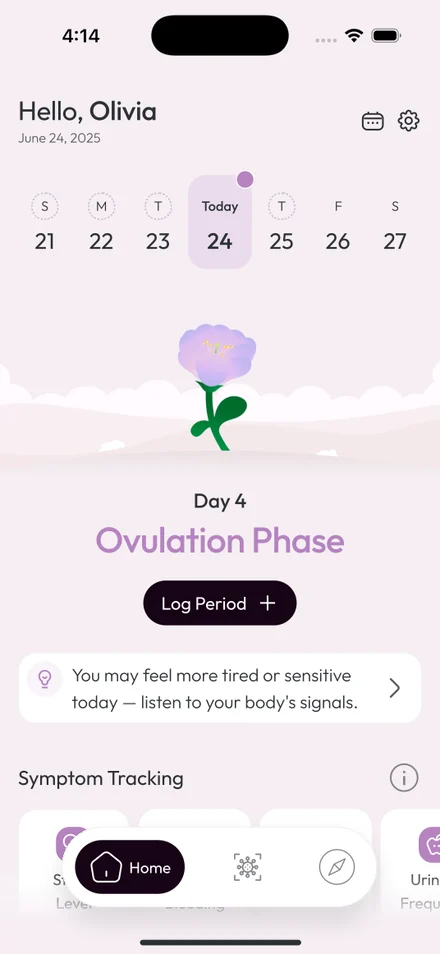
Your care doesn’t stop at the clinic door.
Nuvo Physio runs on Elle Santé — the women’s health platform we built right here. Your plan, your progress and your care team stay with you between visits, not just in the room.
Early access · iPhone and Android