PCOS & Hormonal Pelvic Health
Evidence-based pelvic floor physiotherapy to manage PCOS-related pelvic pain, bloating, menstrual dysfunction, and the musculoskeletal changes that hormonal imbalance creates — because PCOS affects far more than your ovaries.

Your symptoms are connected. And they deserve connected care.

Why PCOS is a whole-body condition that shows up in your pelvis
Understanding the pelvic impact of polycystic ovary syndrome
Polycystic ovary syndrome is one of the most common hormonal conditions affecting women of reproductive age — yet the pelvic symptoms it creates are rarely addressed directly. You may have been told your irregular cycles, chronic bloating, or pelvic pain are “just part of PCOS,” but these symptoms reflect real changes in how your pelvic floor, abdominal wall, and visceral organs function under hormonal imbalance.
PCOS involves elevated androgens, insulin resistance, and chronic low-grade inflammation — a combination that doesn’t just affect your ovaries. It alters pelvic floor muscle tone, changes how your body processes pain signals, affects gut motility and visceral sensitivity, and creates tension patterns in the abdomen and pelvis that persist between flares. Many people with PCOS also develop secondary conditions like painful intercourse, bowel dysfunction, or chronic pelvic pain without realizing the hormonal connection. Pelvic floor physiotherapy addresses the musculoskeletal and functional consequences of PCOS — working alongside your endocrinologist or gynecologist to manage the symptoms that medication alone doesn’t resolve.
How hormonal imbalance affects the pelvic floor
The connection between androgens, inflammation, and pelvic dysfunction
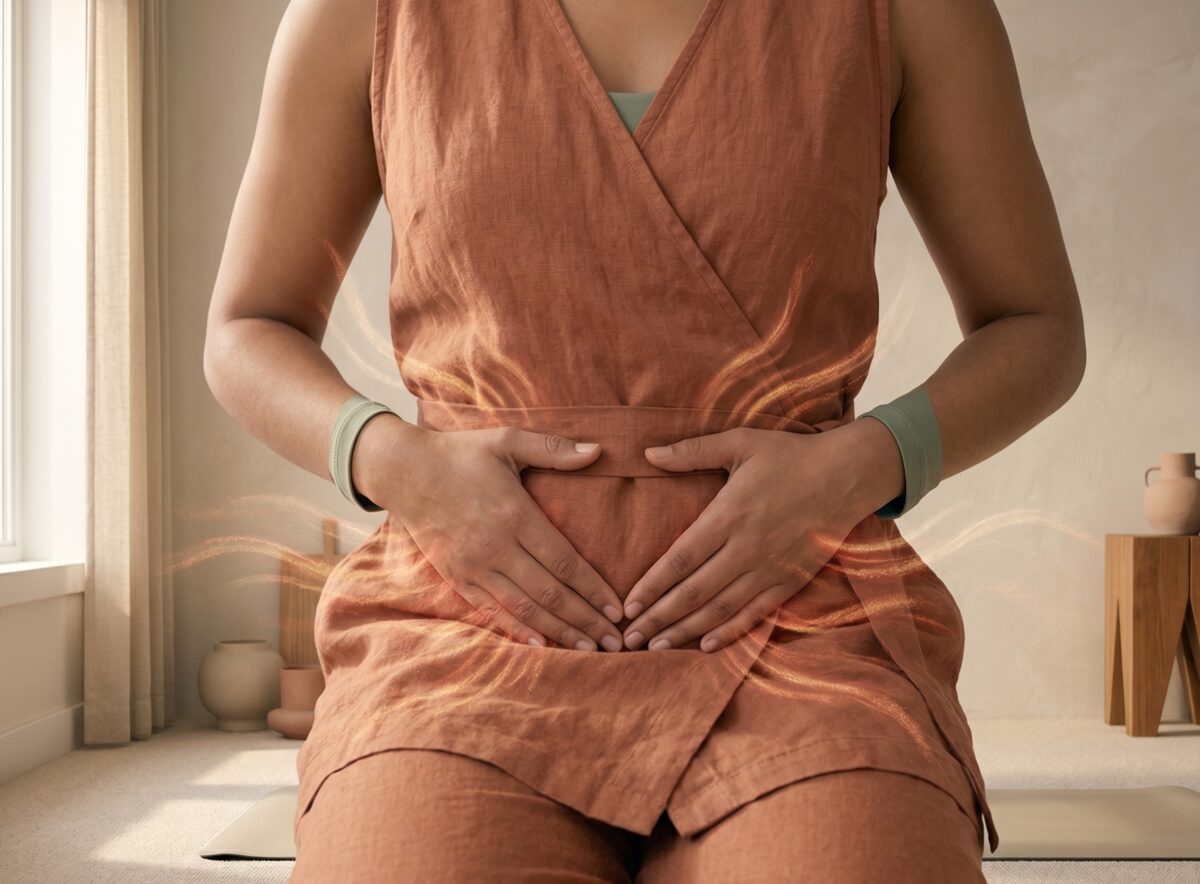
The hormonal profile of PCOS — elevated testosterone, fluctuating estrogen, insulin resistance, and chronic inflammation — directly impacts the tissues of the pelvic floor. Androgens affect muscle fiber composition and tone. Insulin resistance contributes to weight distribution changes that alter pelvic loading. Chronic inflammation sensitizes nerve pathways, lowering the threshold for pain in the pelvis, abdomen, and lower back.
These hormonal effects create a cascade of functional changes. The pelvic floor muscles may become chronically tight in response to visceral discomfort and bloating. Abdominal distension from hormonal bloating stretches the abdominal wall and changes core pressure dynamics. Irregular or painful periods create cyclical tension patterns that the pelvic floor learns to maintain even between episodes. Over time, many people with PCOS develop a baseline of pelvic floor dysfunction — tension, pain, coordination problems — that operates independently of their hormonal cycles. This is why managing PCOS requires more than hormonal treatment: the musculoskeletal adaptations need direct attention. Physiotherapy addresses the pelvic floor tension, visceral sensitivity, movement restrictions, and pain patterns that hormonal treatment alone cannot resolve.
Why physiotherapy is essential for PCOS pelvic health
Hormonal management through your endocrinologist or gynecologist is critical for PCOS — but it addresses the hormonal drivers, not the downstream effects in your muscles, fascia, and pelvic organs. Pelvic floor physiotherapy fills that gap. Here’s how it supports your quality of life alongside medical management.
Pelvic floor physiotherapy focuses on:
- Pelvic floor assessment and rebalancing — Evaluating whether your pelvic floor is hypertonic (too tight), weak, or uncoordinated in response to hormonal changes, bloating, and pain, and restoring balanced function through targeted manual therapy, release techniques, and neuromuscular retraining.
- Visceral and abdominal management — Addressing the bloating, abdominal distension, and gut motility changes that PCOS creates, using visceral mobilization, breathing strategies, and abdominal wall coordination to reduce pressure and discomfort.
- Pain desensitization and nervous system regulation — Reducing the chronic low-grade pelvic pain, hypersensitivity, and central sensitization that develop from prolonged hormonal imbalance and inflammation, using graded exposure, manual therapy, and neuroscience-informed approaches.
- Movement and exercise integration — Building an exercise program that supports insulin sensitivity and weight management without aggravating pelvic floor symptoms, addressing the specific movement adaptations that PCOS-related pain and bloating create.

How PCOS care works at Nuvo Physio
Hormone-informed care that complements your medical team.
We start by understanding your specific PCOS presentation — your hormonal profile, cycle patterns, primary symptoms, and how they affect your pelvic floor, bowel, bladder, and daily function. We assess pelvic floor tone and coordination, abdominal wall integrity, visceral mobility, posture, and movement patterns — then build a plan that targets your specific drivers rather than treating PCOS as a single condition.
Your care may involve:
- Specialized Pelvic Physiotherapy — Evidence-based pelvic floor assessment and treatment, manual therapy, myofascial release, visceral mobilization, and neuromuscular retraining designed specifically for hormonal pelvic dysfunction.
- Collaborative Team Care — We match you with the clinician(s) best suited to your PCOS presentation — whether your primary issues are pain, bloating, bladder or bowel changes, or exercise intolerance — and coordinate with your endocrinologist or gynecologist.
- Education and Self-Management — Tools to manage symptoms between visits, including breathing and relaxation strategies for flare-ups, positioning for bloating relief, exercise modifications for different phases of your cycle, and guidance on integrating physiotherapy with your medical treatment plan.
- Long-Term Support — PCOS is a lifelong condition with fluctuating symptoms. We provide ongoing care that adapts to your changing needs — from acute flare management to long-term maintenance, through life stages like pregnancy planning, prenatal care, and perimenopause.
Common PCOS-related symptoms we support
PCOS creates a wide range of pelvic, abdominal, and musculoskeletal symptoms that are often treated in isolation. We address them as the connected system they are. If you recognize yourself in any of these, we can help.
- Chronic pelvic pain — Persistent aching, cramping, or pressure in the pelvis that may worsen around ovulation or menstruation but often persists throughout the cycle due to hormonal inflammation and pelvic floor tension.
- Hormonal bloating and abdominal distension — Cyclical or persistent abdominal swelling, tightness, and discomfort driven by hormonal fluctuations, insulin resistance, and altered gut motility.
- Painful periods and ovulation — Intense menstrual cramping, ovulation pain, or irregular painful episodes that create cyclical pelvic floor tension and compensatory movement patterns.
- Bowel dysfunction — Constipation, irregular bowel movements, or IBS-like symptoms related to hormonal effects on gut motility and pelvic floor coordination.
- Painful intercourse — Deep or superficial pain during sexual activity related to pelvic floor hypertonicity, hormonal tissue changes, or visceral sensitivity.
- Exercise intolerance and pelvic heaviness — Difficulty exercising due to pelvic pressure, pain, or leakage that worsens with impact activities, creating a cycle of inactivity that worsens insulin resistance.
- Fertility-related pelvic preparation — Optimizing pelvic floor function, reducing tension, and improving visceral mobility as part of fertility treatment or pregnancy planning alongside your reproductive endocrinologist.
What to expect when you start care
- “Tell us what you’re feeling” — Answer a few guided questions about your PCOS symptoms, cycle patterns, current medical management, and how hormonal changes affect your daily life and activities.
- “Get the right support” — We use your answers to guide the next steps and match you with the clinician best suited to your specific PCOS-related needs.
- “Begin care at your pace” — Treatment is shaped around your comfort and goals. Whether you’re managing daily symptoms, preparing for fertility treatment, or building a long-term management plan, we meet you where you are.
PCOS & pelvic health FAQs
I already see an endocrinologist for PCOS — why would I need physiotherapy?
Can physiotherapy help with PCOS bloating?
My PCOS makes exercise painful — can physio help me get active again?
Is PCOS pelvic pain different from endometriosis pain?
Do I need a PCOS diagnosis to start?
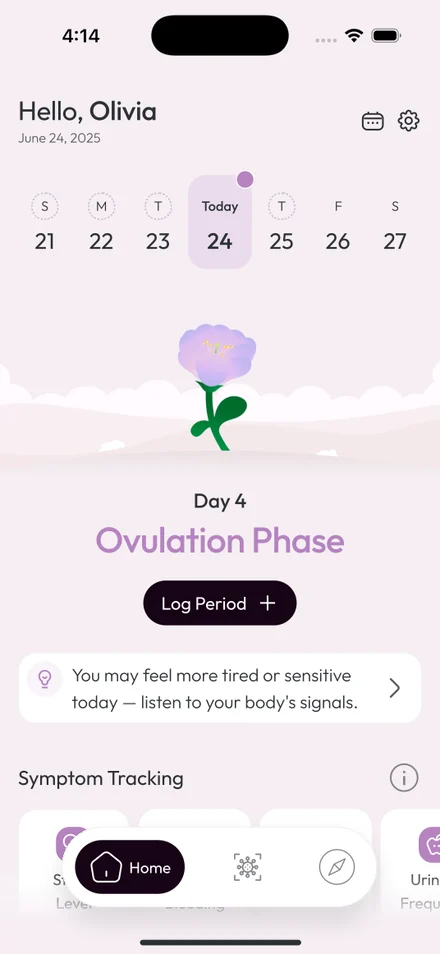
Your care doesn’t stop at the clinic door.
Nuvo Physio runs on Elle Santé — the women’s health platform we built right here. Your plan, your progress and your care team stay with you between visits, not just in the room.
Early access · iPhone and Android