Understanding Endometriosis and Pelvic Health
By Nuvo Physio · Updated June 2, 2026
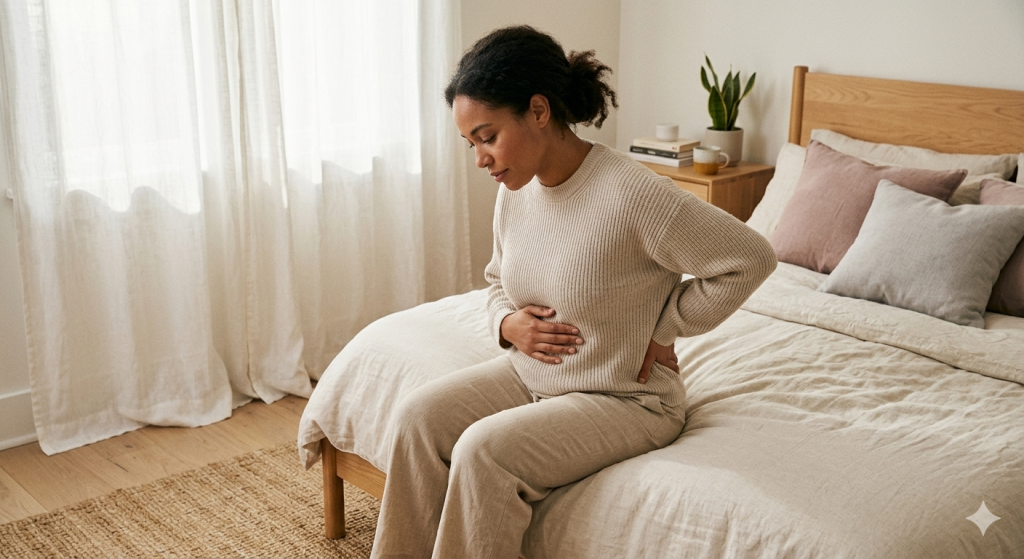
Endometriosis affects approximately 1 in 10 women of reproductive age, yet many women spend years seeking a diagnosis. If you’re experiencing chronic pelvic pain, heavy periods, or pain during intercourse, understanding what endometriosis is can be the first step toward effective management and reclaiming your quality of life. At Nuvo Physio, I work with women navigating endometriosis every day, and I want to help you understand this condition and how evidence-based physiotherapy can be a game-changer in your treatment plan.
What Is Endometriosis?
Endometriosis is a chronic condition where tissue similar to the uterine lining grows outside the uterus—on the ovaries, fallopian tubes, bowel, bladder, and other pelvic organs. Unlike normal menstrual tissue, this ectopic tissue is deeply invasive, burrowing into surrounding tissues and creating scar tissue called adhesions that bind organs together.
Here’s what makes endometriosis pelvic health so critical: this misplaced tissue responds to your menstrual cycle hormones. Each month, it builds up, breaks down, and bleeds—but because it’s outside the uterus, the blood has nowhere to go. This creates inflammation, tissue damage, and the characteristic pain that defines the condition. This ongoing inflammatory cycle affects not just the tissue itself, but your entire pelvic ecosystem—muscles, nerves, and organs all become involved.
How Endometriosis Impacts Pelvic Health
The impact on pelvic health is profound and multifaceted:
Chronic Pelvic Pain
The most common symptom, pelvic pain often worsens during menstruation but can persist year-round. The pain can range from mild discomfort to debilitating severity that interferes with work, relationships, and daily living. Over time, chronic pain sensitizes your nervous system, a process called central sensitization—where pain signals become amplified, even beyond what tissue damage would normally cause.
Sexual Dysfunction and Dyspareunia
When endometrial lesions affect sensitive pelvic tissues, intercourse becomes extremely painful—a condition called dyspareunia. This pain creates a vicious cycle: fear of pain leads to muscle tension, which creates more pain. Many women also experience loss of desire, anxiety around intimacy, and relationship strain.
Bowel and Bladder Symptoms
If endometrial implants grow on or near the bowel or bladder, you may experience painful bowel movements, constipation, diarrhea, urgency, frequency, or bladder pain. Many women are misdiagnosed with IBS or interstitial cystitis before endometriosis is discovered.
Endo Belly
A distinctive symptom many women describe is “endo belly“—severe bloating, distention, and heaviness in the lower abdomen that can make you look months pregnant. This occurs due to visceral inflammation and pelvic muscle tension preventing normal organ movement.
Fertility Impact
Endometriosis can affect fertility through multiple mechanisms: inflammation damaging egg quality, scar tissue blocking fallopian tubes, and immune system changes. If pregnancy is your goal, optimizing pelvic function through physiotherapy before conception is wise.
The Pelvic Floor-Endometriosis Connection
The relationship between endometriosis and your pelvic floor muscles is bidirectional and critical to understand. Endometriosis directly irritates pelvic tissues, triggering protective muscle tightening. Simultaneously, chronically tight pelvic floor muscles worsen pain, reduce tissue mobility, and contribute to the sensation that pain is more severe than tissue damage alone would justify.
Muscle Guarding and Tension
When you experience chronic pain, your nervous system learns to protect. Your pelvic floor muscles—normally cycling between contraction and relaxation—develop a pattern of chronic tension, similar to clenching your fist when anxious. Over time, this becomes your baseline. The muscles “forget” how to relax. Walking, sitting, sexual intercourse, even breathing triggers protective guarding. This is especially pronounced with dyspareunia, where anticipation of pain causes muscles to clench in advance, actually creating the pain the body is trying to prevent.
Nerve Sensitization
Endometriosis causes chronic pelvic inflammation, which can sensitize nerves serving the area. Your nervous system becomes hyperreactive—like turning up the volume on a speaker. Normal sensations feel amplified. This nervous system sensitization can persist even after surgical removal of endometrial tissue, explaining why chronic pelvic pain sometimes continues after surgery.
Adhesions and Reduced Tissue Mobility
Endometrial implants create scar tissue and adhesions where tissues stick together. These restrict normal organ and muscle movement, reduce pelvic floor mobility, and affect function. Many patients describe endo belly as sudden abdominal expansion—partly from visceral inflammation, partly from pelvic floor muscles unable to relax to accommodate organ movement during the menstrual cycle.
Why Diagnosis Often Takes Years
The average delay between symptom onset and endometriosis diagnosis is 7–10 years. Many women are dismissed as having “normal” period pain or prescribed painkillers without investigation. The only definitive diagnosis is laparoscopy (surgical visualization), but clinical assessment and imaging can strongly suggest the condition.
Common diagnostic indicators include:
- Severe menstrual pain that worsens over time
- Pain during or after intercourse
- Chronic pelvic pain independent of the menstrual cycle
- Infertility or recurrent miscarriage
- Painful bowel movements or urination during menses
- Imaging findings of endometriomas or nodules
How Pelvic Health Physiotherapy Helps
Physiotherapy cannot remove endometriosis lesions, but it’s highly effective at addressing the muscular and neurological changes endometriosis creates. This is why post-surgical endometriosis rehabilitation is so valuable—it prevents re-sensitization and helps patients recover function.
Pelvic Floor Muscle Treatment
Using manual therapy, myofascial release, biofeedback, and behavioral techniques, we help your pelvic floor muscles reset to a healthier baseline. Paradoxically, the goal isn’t strengthening—it’s teaching muscles to relax. We use internal palpation (gentle touch inside the vagina or rectum) to directly assess and release tight muscles, combined with breathing exercises and movement patterns promoting relaxation.
Pain Neuroscience Education and Desensitization
Understanding how pain works in your nervous system—and that pain doesn’t always mean tissue damage—is empowering. Education about central sensitization helps you understand why pain might feel disproportionate to findings. We teach evidence-based pain management strategies that gradually “turn down the volume” on your nervous system’s alarm response.
Visceral Mobility and Organ Movement
Through gentle fascial mobilization and visceral techniques, we restore movement to organs and tissues restricted by adhesions or guarding. This is especially relevant to endo belly management—many patients see dramatic improvement in bloating with treatment.
Return to Sexual Function
If dyspareunia is affecting you, we work systematically to desensitize tissues, improve flexibility, and restore comfort and confidence in intimacy.
Pre-Surgical and Post-Surgical Considerations
If you’re considering surgical management of endometriosis, prehabilitation (pre-surgery physiotherapy) optimizes your pelvic function before surgery and improves recovery outcomes. Post-surgery physiotherapy prevents scar tissue adhesion formation, restores tissue mobility, and helps you return to pain-free function more quickly.
Medical and Pharmaceutical Options
Physiotherapy works best alongside other treatments. Options may include hormonal medications (birth control pills, progestins, GnRH agonists) to suppress endometrial growth, laparoscopic surgery to remove implants and adhesions, or in severe cases, hysterectomy. Your gynecologist and pelvic physiotherapist should work together as part of your comprehensive care team.
Managing Endometriosis in Daily Life
Beyond clinical treatment, everyday strategies matter:
- Track symptoms to identify patterns and cycle-related triggers
- Manage stress, which amplifies pain and inflammation
- Choose anti-inflammatory foods and consider elimination diets with professional guidance
- Move gently on high-pain days; exercise helps but shouldn’t cause pain
- Use heat therapy to relax pelvic muscles during painful days
- Advocate for yourself with healthcare providers; you know your body best
The Emotional Component
Living with chronic endometriosis-related pain is emotionally taxing. Grief, isolation, anxiety, and depression are common. Acknowledging these emotions and seeking mental health support when needed is important. Therapy, support groups, and connecting with other women with endometriosis provide invaluable support.
When to Seek Pelvic Health Physiotherapy
Consider physiotherapy if you have:
- Diagnosed or suspected endometriosis
- Chronic pelvic pain
- Pain with intercourse
- Bowel or bladder symptoms
- Planning pregnancy
- Preparing for or recovering from endometriosis surgery
Frequently Asked Questions
Is endometriosis curable?
Endometriosis isn’t currently curable, but symptoms can be effectively managed through a combination of surgery, medication, lifestyle modifications, and physiotherapy. Many women achieve significant pain reduction and improved quality of life with the right treatment approach.
Can I get pregnant with endometriosis?
Yes, many women with endometriosis conceive naturally. However, endometriosis can affect fertility. If you’re trying to conceive, work with your gynecologist and consider prehab physiotherapy to optimize pelvic function and reduce pain that might interfere with intercourse or pregnancy.
How does endometriosis affect the pelvic floor muscles?
Endometriosis causes pelvic floor muscles to tighten protectively in response to chronic pain and inflammation. This creates a vicious cycle: tight muscles amplify pain, which causes more muscle tension. Pelvic physiotherapy breaks this cycle through gentle treatment and nervous system re-education.
What’s the difference between endometriosis and adenomyosis?
Adenomyosis is when endometrial tissue grows into the muscular wall of the uterus itself (rather than outside it). Both conditions cause pelvic pain and heavy periods, but adenomyosis typically occurs in women over 40, while endometriosis is more common in reproductive-age women. Many women have both conditions. Your gynecologist can help determine which you have.
Will exercise make my endometriosis worse?
Gentle, consistent movement typically reduces pain and inflammation. However, high-intensity exercise during high-pain days or high-inflammation phases can aggravate symptoms. A pelvic physiotherapist can help you build a cycle-synced exercise plan that supports healing without exacerbating pain.
Can pelvic physiotherapy replace surgery for endometriosis?
Physiotherapy cannot remove endometrial tissue or adhesions, but it can effectively treat the muscular, neurological, and tissue mobility issues endometriosis causes. Some women benefit from surgery to remove tissue, combined with physiotherapy for optimal recovery. Your care should be individualized based on severity, symptom impact, and your goals.
Ready to Reclaim Your Pelvic Health?
Endometriosis is complex, and you don’t have to navigate it alone. At Nuvo Physio, I specialize in helping women with endometriosis manage pain, restore function, and improve quality of life through evidence-based pelvic health physiotherapy.
Whether you’re newly diagnosed, preparing for surgery, or managing long-term symptoms, I’m here to help. Book a consultation today to discuss your symptoms, goals, and how pelvic physiotherapy can be part of your personalized treatment plan.
Disclaimer: This article is educational and does not replace professional medical advice. Always consult with your gynecologist or healthcare provider for diagnosis and treatment specific to your situation.
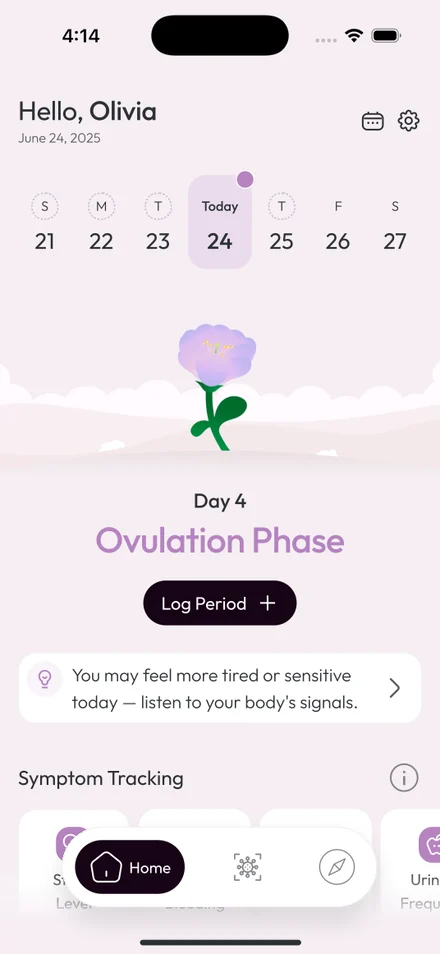
Your care doesn’t stop at the clinic door.
Nuvo Physio runs on Elle Santé — the women’s health platform we built right here. Your plan, your progress and your care team stay with you between visits, not just in the room.
Early access · iPhone and Android