Perimenopause & Menopause
Specialized pelvic floor physiotherapy to manage the bladder, tissue, and musculoskeletal changes of hormonal transition — helping you feel strong and supported through every stage.

You’re not imagining this. What you’re experiencing is real.

Why perimenopause and menopause can feel overwhelming
Understanding how hormonal changes impact your pelvic health
The transition through perimenopause and menopause can bring changes you never expected — and weren’t prepared for. Bladder urgency that wasn’t there before. Dryness that makes intimacy uncomfortable. A sense of heaviness or pressure that develops gradually. Sleep disrupted by nighttime trips to the bathroom. These changes can feel isolating, especially when they’re dismissed as “just part of getting older.”
Many people in Montreal experience these symptoms for years without realizing that pelvic floor physiotherapy can help. The hormonal changes of perimenopause and menopause have direct, measurable effects on your pelvic floor muscles, vaginal tissues, bladder function, and connective tissue — and these effects are treatable. You don’t have to accept declining pelvic health as an inevitable part of aging. With the right support, you can manage these changes proactively and maintain the quality of life you deserve.
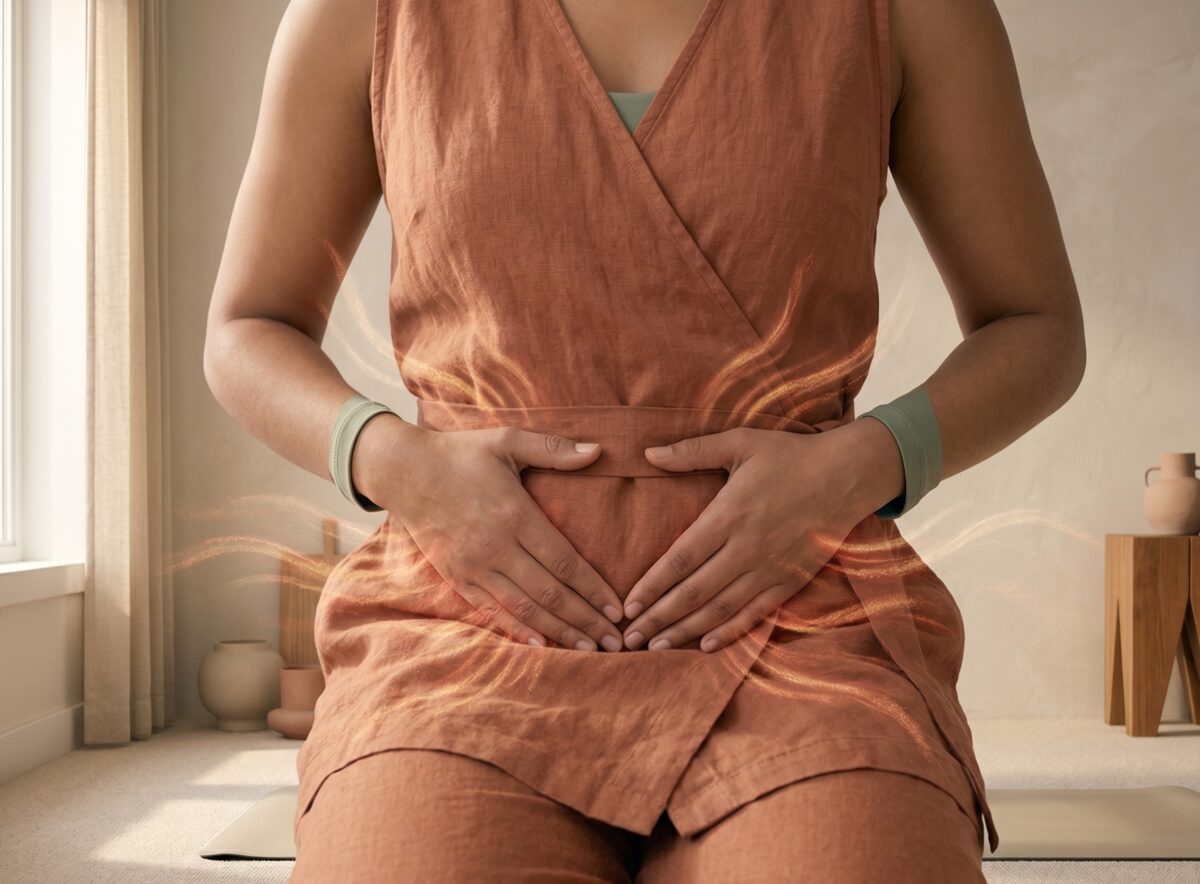
How perimenopause and menopause affect the pelvic floor
How declining estrogen impacts muscles, tissues, bladder function, and pelvic support
Estrogen plays a vital role in maintaining the health of your pelvic floor. It keeps pelvic muscles strong and responsive, vaginal and urethral tissues elastic and well-vascularized, and the connective tissue that supports your pelvic organs supple and resilient. As estrogen declines during perimenopause and drops further after menopause, all of these systems are affected simultaneously.
Your pelvic floor muscles may lose strength and responsiveness, making it harder to maintain continence during coughing, sneezing, or urgency. Vaginal and urethral tissues thin and become less elastic, contributing to dryness, irritation, and increased susceptibility to urinary tract infections. The connective tissue supporting your pelvic organs weakens, increasing prolapse risk. And your nervous system may become more sensitive to bladder signals, amplifying urgency and frequency. These changes are not separate problems — they’re interconnected effects of hormonal transition that benefit from a comprehensive, pelvic-floor-focused approach.
Why physiotherapy can help during perimenopause and menopause
Physiotherapy does not replace hormonal therapy or medical management. But it is a powerful complement because it directly addresses the pelvic floor muscle changes, bladder dysfunction, and prolapse risk that estrogen decline creates. Here’s how pelvic floor physiotherapy supports you through the menopausal transition.
Pelvic floor physiotherapy focuses on:
- Pelvic floor strengthening and maintenance — Targeted exercises to maintain or rebuild pelvic floor strength that naturally declines with hormonal changes, preventing incontinence and prolapse progression.
- Bladder health optimization — Addressing urgency, frequency, nocturia, and incontinence through bladder retraining, pelvic floor coordination, and behavioral strategies tailored to menopausal changes.
- Tissue health and sexual comfort — Strategies to manage vaginal dryness and tissue sensitivity, improve comfort during intimacy, and complement hormonal treatment when prescribed by your physician.
- Prolapse prevention and management — Proactive pelvic floor training and pressure management education to reduce prolapse risk during the period when connective tissue support is most vulnerable.

How perimenopause and menopause care works at Nuvo Physio
Condition-first care that evolves with you.
Care starts with understanding where you are in your hormonal transition, what symptoms you’re experiencing, and how they’re affecting your daily life. We assess your pelvic floor strength, tissue health, bladder patterns, and overall function — then build a plan that addresses your current needs and evolves as your body continues to change.
Your care may involve:
- Specialized Pelvic Physiotherapy — Evidence-based pelvic floor rehabilitation addressing the specific muscle, tissue, and functional changes of perimenopause and menopause, including strengthening, bladder retraining, and prolapse management.
- Collaborative Team Care — At Nuvo, we don’t just assign a therapist; we assign a team. We match you with the most appropriate clinician(s) based on your current phase of care — whether you need acute symptom management or long-term pelvic health maintenance — to ensure the best fit for your recovery.
- Education and Guidance — Tools and support to manage symptoms between visits, including home exercise programs, bladder health strategies, tissue care guidance, and evidence-based information about the pelvic effects of hormonal transition.
- Long-term support — Sustainable pelvic health, not just quick fixes. We adjust the care team as your needs evolve through the different stages of menopausal transition, from perimenopause through post-menopause.
Common perimenopause and menopause symptoms we support
Perimenopause and menopause affect pelvic health in multiple ways that interact with each other. We provide specialized care for the full range of hormonally-driven pelvic symptoms. If you recognize yourself in any of these, we can help.
- Urinary urgency and frequency — New or worsened bladder urgency, needing to go more often, or difficulty deferring urination.
- Stress or urge incontinence — Leaking with coughing, sneezing, or exercise, or inability to reach the bathroom in time.
- Vaginal dryness and discomfort — Thinning, dryness, or irritation of vaginal tissues affecting daily comfort and intimacy.
- Pain during intimacy — Dyspareunia related to tissue changes, dryness, or pelvic floor tension that develops during hormonal transition.
- Pelvic heaviness or prolapse symptoms — Sensation of pressure, fullness, or something descending in the pelvis as connective tissue support weakens.
- Nocturia — Waking multiple times at night to urinate, disrupting sleep quality and daytime energy.
- Recurrent urinary tract infections — Increased susceptibility to UTIs related to hormonal tissue changes and altered urinary patterns.
What to expect when you start care
- “Tell us what you’re feeling” — Answer a few guided questions about your menopausal symptoms, bladder changes, and how hormonal transition is affecting your pelvic health and daily life.
- “Get the right support” — We use your answers to guide the next steps and match you with the clinician best suited to your specific hormonal and pelvic floor needs.
- “Begin care at your pace” — Treatment is shaped around your comfort and goals. Whether you’re in early perimenopause or years post-menopause, we meet you where you are.
Perimenopause and menopause FAQs
Are pelvic floor changes during menopause really treatable?
Do I need to be on hormone therapy for physiotherapy to help?
When should I start pelvic floor care during perimenopause?
Can physiotherapy help with painful intercourse during menopause?
How often will I need treatment?
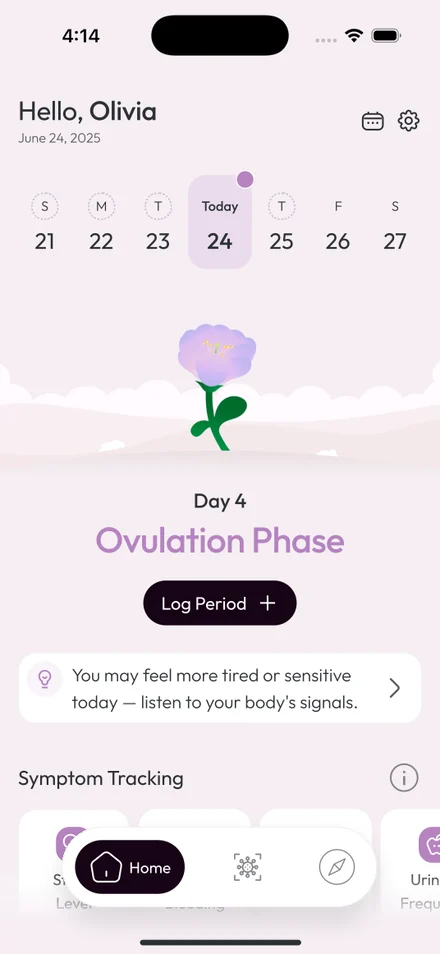
Your care doesn’t stop at the clinic door.
Nuvo Physio runs on Elle Santé — the women’s health platform we built right here. Your plan, your progress and your care team stay with you between visits, not just in the room.
Early access · iPhone and Android