Urinary Incontinence & Bladder Control
Evidence-based pelvic floor physiotherapy for stress incontinence, urge incontinence, mixed incontinence, and postpartum leakage — helping you regain confidence and control over your body.

You’re not imagining this. What you’re experiencing is real.

Why bladder leakage can feel so isolating
Understanding the toll of incontinence on daily life
Living with urinary incontinence means constantly managing the fear that your body will let you down at the wrong moment. Maybe you leak when you cough, sneeze, or pick up your child. Maybe you’ve stopped running, jumping, or working out because you can’t trust your pelvic floor. Maybe you wear pads every day “just in case” and have quietly accepted it as part of life.
Many people in Montreal live with bladder leakage for years, assuming it’s a normal part of aging, postpartum life, or menopause. But urinary incontinence is a recognized, treatable condition — not something you have to accept. Whether it started after childbirth, during perimenopause, following pelvic surgery, or seemingly out of nowhere, pelvic floor physiotherapy is recommended as a first-line treatment by the Canadian Urological Association and the International Continence Society. Understanding that effective treatment exists is the first step toward reclaiming your daily life.
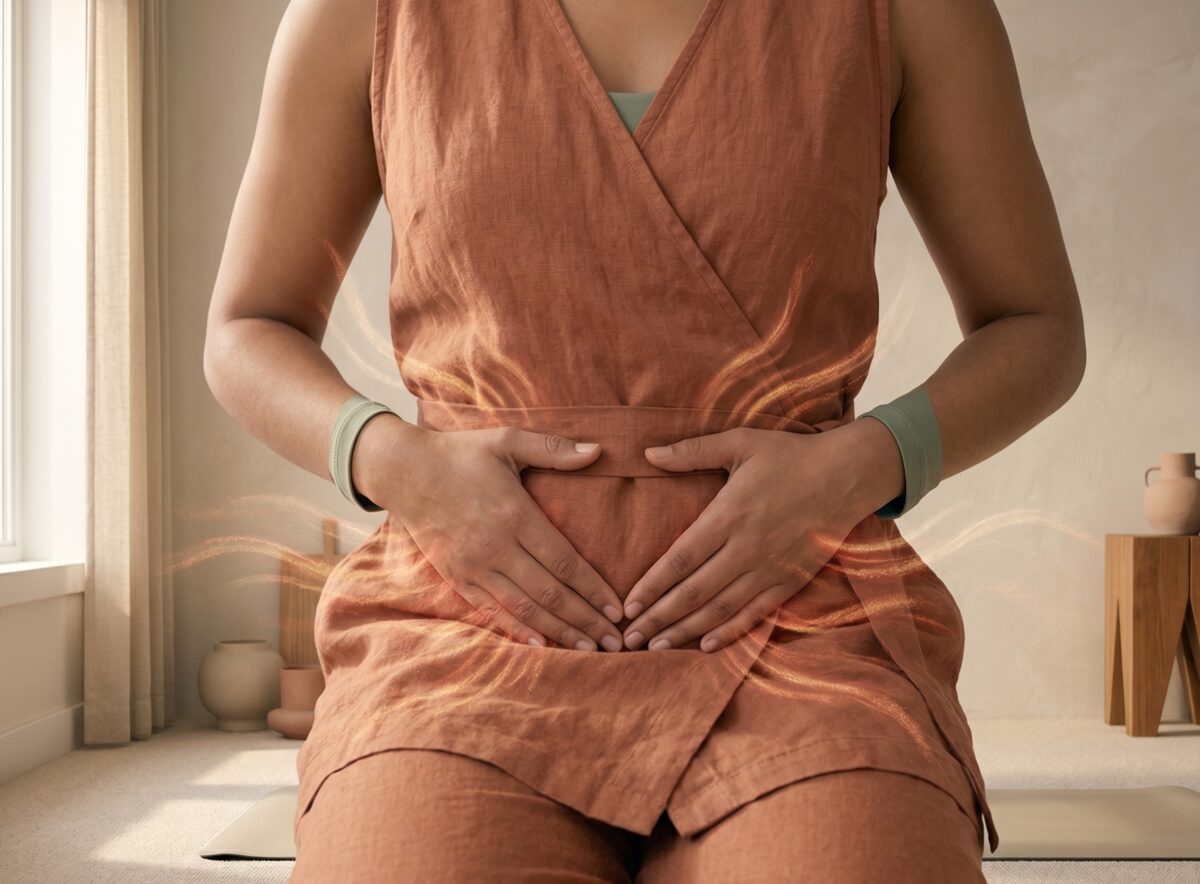
How urinary incontinence affects the body
How pelvic floor function, bladder signaling, and nervous system sensitivity interact
Urinary incontinence isn’t one condition — it’s a spectrum. Stress incontinence happens when physical pressure on the bladder overwhelms a weakened pelvic floor, causing leaks during coughing, sneezing, laughing, running, or lifting. Urge incontinence involves sudden, compelling urgency followed by involuntary leakage — often triggered by running water, cold air, or arriving home. Mixed incontinence combines both patterns, and many people experience leakage that doesn’t fit neatly into any one category.
At the center of all these patterns is the pelvic floor. When functioning well, these muscles support the bladder, maintain closure pressure during physical stress, and suppress urgency signals until you choose to void. When the pelvic floor is weak, uncoordinated, or chronically tense, it can’t perform these functions effectively. Pregnancy, childbirth, hormonal shifts, surgery, chronic straining, and high-impact exercise can all alter pelvic floor function. Physiotherapy addresses the specific muscle dysfunction, nervous system sensitivity, and behavioral patterns that sustain your leakage — regardless of which type of incontinence you have.
Why physiotherapy can help with urinary incontinence
Physiotherapy does not replace medical evaluation for underlying causes of bladder dysfunction. But it is recognized as a first-line treatment because it addresses the pelvic floor coordination, nervous system sensitivity, and behavioral patterns that drive the most disabling incontinence symptoms. Here’s how pelvic floor physiotherapy supports your recovery.
Pelvic floor physiotherapy focuses on:
- Pelvic floor strengthening and coordination training — Building strength, endurance, and timing in the pelvic floor muscles to restore closure pressure during physical stress and suppress involuntary bladder contractions during urgency episodes.
- Bladder retraining — Structured protocols to gradually increase the time between voids, expand your functional bladder capacity, and break the urgency-frequency cycle that keeps you tied to the bathroom.
- Functional movement retraining — Learning to engage your pelvic floor effectively during real-life activities — coughing, lifting, running, jumping — so continence becomes automatic, not something you have to think about.
- Behavioral and lifestyle modification — Addressing fluid management, dietary triggers, toileting habits, exercise form, and movement patterns that influence bladder function, building sustainable habits that support long-term continence.

How urinary incontinence care works at Nuvo Physio
Condition-first care that evolves with you.
Care starts with understanding your specific leakage patterns, triggers, and how incontinence is affecting your daily life. We assess your pelvic floor strength, coordination, and tone; your bladder habits and fluid intake patterns; and your nervous system response — then build a plan that targets the specific drivers of your symptoms.
Your care may involve:
- Specialized Pelvic Physiotherapy — Evidence-based pelvic floor strengthening, bladder retraining, urgency suppression techniques, and neuromuscular re-education specifically designed for stress incontinence, urge incontinence, mixed incontinence, and postpartum leakage.
- Collaborative Team Care — At Nuvo, we don’t just assign a therapist; we assign a team. We match you with the most appropriate clinician(s) based on your current phase of care — whether you need acute leakage management, postpartum recovery, or long-term bladder retraining — to ensure the best fit for your recovery.
- Education and Guidance — Tools and support to manage symptoms between visits, including bladder diary tracking, fluid management strategies, exercise modification for continence, urgency wave management techniques, and dietary trigger identification.
- Long-term support — Sustainable recovery, not just quick fixes. We adjust the care team as your needs evolve from acute symptom management to long-term bladder health, exercise confidence, and quality of life.
Common urinary incontinence symptoms we support
Urinary incontinence affects bladder function, pelvic floor coordination, and daily confidence simultaneously. We provide specialized care for the full range of leakage and bladder control symptoms. If you recognize yourself in any of these, we can help.
- Stress incontinence during physical activity — Leaking urine when coughing, sneezing, laughing, running, jumping, or lifting — even small amounts that require pads or lifestyle changes.
- Postpartum bladder leakage — New or worsened incontinence following vaginal delivery or cesarean section, affecting return to daily activities and exercise.
- Exercise-related leakage — Avoiding running, jumping, weightlifting, or high-impact activities due to fear of leaking, limiting fitness and quality of life.
- Urge incontinence — Leaking urine before reaching the bathroom when a sudden, compelling urgency strikes.
- Mixed incontinence — Experiencing both stress leakage (with physical activity) and urge leakage (with urgency), requiring a combined treatment approach.
- Incontinence during perimenopause or menopause — New or worsened leakage related to hormonal changes, vaginal tissue thinning, and pelvic floor changes during midlife.
- Post-surgical bladder changes — New or worsened leakage, urgency, or frequency following pelvic surgery, cesarean, or hysterectomy.
What to expect when you start care
- “Tell us what you’re feeling” — Answer a few guided questions about your leakage patterns, triggers, frequency, and how incontinence is affecting your daily life and activities.
- “Get the right support” — We use your answers to guide the next steps and match you with the clinician best suited to your specific bladder and pelvic floor needs.
- “Begin care at your pace” — Treatment is shaped around your comfort and goals. Whether your symptoms are mild or severe, we meet you where you are.
Urinary incontinence FAQs
Is bladder leakage a normal part of aging or having children?
What's the difference between stress incontinence and urge incontinence?
I only leak a little — is it worth treating?
How long before I see improvement?
Do I need a referral or diagnosis to start?
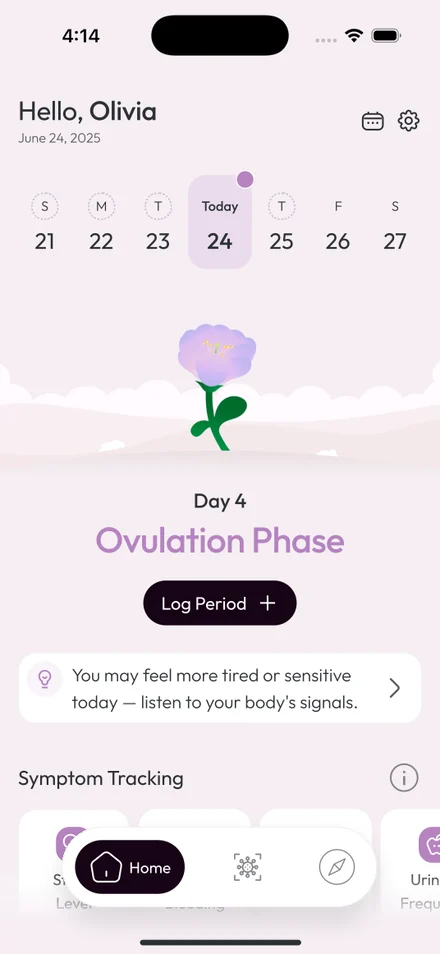
Your care doesn’t stop at the clinic door.
Nuvo Physio runs on Elle Santé — the women’s health platform we built right here. Your plan, your progress and your care team stay with you between visits, not just in the room.
Early access · iPhone and Android