Post-Surgical Endometriosis Rehab
Specialized, team-based support to manage scar tissue, adhesion-related pain, and full functional recovery after endometriosis surgery.

You’re not imagining this. What you’re experiencing is real.

Why recovery after endometriosis surgery can feel overwhelming
Understanding the impact of post-surgical healing on your body
If you’ve had laparoscopic excision or another surgical procedure for endometriosis, you may have expected the pain to simply stop. But for many, the weeks and months after surgery bring unexpected challenges — new patterns of tightness, lingering discomfort, or a body that doesn’t feel like your own.
In Montreal, post-surgical recovery for endometriosis is often reduced to a single follow-up appointment. But surgery addresses the lesions — not the years of compensatory tension your body has developed. Your nervous system may still be operating in a heightened state, a process known as central sensitization, where pain signals persist even after the tissue has been treated. Understanding this is the first step toward meaningful recovery.
How endometriosis surgery affects the body
How surgical intervention influences muscles, nerves, and posture
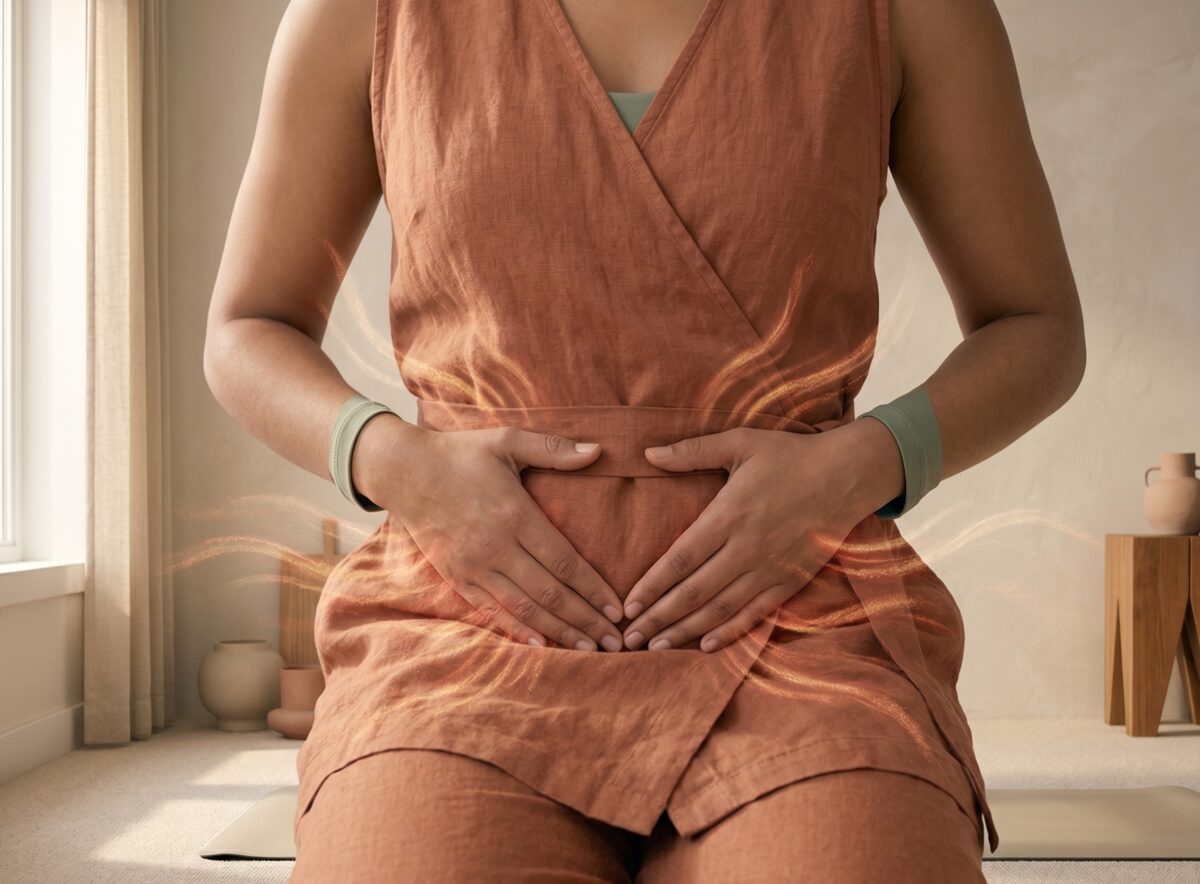
Even minimally invasive laparoscopic surgery creates changes beneath the surface. Scar tissue begins forming within days of your procedure, and without early mobilization, these adhesions can bind to surrounding structures — the bladder, bowel, pelvic sidewalls, and fascia — restricting movement and creating new sources of pain.
Your pelvic floor muscles often respond to surgery with protective guarding — an involuntary tightening that can persist long after incisions have healed. This guarding can affect bladder function, bowel regularity, and comfort during intimacy. At the same time, your core stability, breathing mechanics, and postural alignment may shift as your body compensates for surgical changes. Physiotherapy works to address all of these layers — restoring visceral mobility, retraining the nervous system, and gradually rebuilding functional strength.
Why physiotherapy can help with post-surgical endometriosis recovery
Physiotherapy does not reverse surgical outcomes or replace medical follow-up. However, it can play a meaningful role in preventing adhesion-related complications, reducing residual pain, and restoring the function that surgery alone cannot address. Here’s how pelvic floor physiotherapy supports your post-surgical recovery.
Pelvic floor physiotherapy focuses on:
- Scar tissue mobilization and adhesion prevention — Gentle manual techniques to keep surgical sites supple and prevent internal adhesions from restricting organ movement.
- Pelvic floor muscle retraining — Releasing the protective guarding that develops after surgery and restoring normal muscle coordination and tone.
- Nervous system down-regulation — Helping your body shift out of its post-surgical “alert” state, reducing pain sensitivity and supporting deeper healing.
- Core stability and functional movement restoration — Rebuilding the connection between your breath, core, and pelvic floor to support safe return to daily activities and exercise.

How post-surgical endometriosis care works at Nuvo Physio
Condition-first care that evolves with you.
Care starts with understanding your surgical history, current symptoms, and how your body has responded to the procedure. Whether you’re two weeks or two years post-surgery, we meet you where you are and build a recovery plan that respects your body’s timeline.
Your care may involve:
- Specialized Pelvic Physiotherapy — Evidence-based techniques for post-surgical pain management, scar mobilization, and visceral release.
- Collaborative Team Care — At Nuvo, we don’t just assign a therapist; we assign a team. We match you with the most appropriate clinician(s) based on your current phase of care — whether you need acute pain regulation or high-level loading — to ensure the best fit for your recovery.
- Education and Guidance — Tools and support to manage discomfort between visits, including scar care instructions, breathing strategies, and movement guidelines.
- Long-term support — Sustainable recovery, not just quick fixes. We adjust the care team as your needs evolve from early post-surgical healing to full functional restoration.
Common post-surgical endometriosis symptoms we support
Recovery after endometriosis surgery varies widely. We provide specialized care to address the musculoskeletal, visceral, and neurological components of your post-surgical experience. If you recognize yourself in any of these, we can help.
- Persistent pelvic pain after surgery — Ongoing discomfort that hasn’t resolved despite surgical treatment.
- Scar tissue tightness or pulling — Sensation of restriction, adhesion, or pulling around incision sites or internally.
- Endo belly and abdominal bloating — Post-surgical bloating, distension, or visceral discomfort that persists.
- Pain with intercourse after surgery — Dyspareunia related to surgical changes, scar tissue, or pelvic floor guarding.
- Bladder or bowel changes post-surgery — New urgency, frequency, or difficulty that developed after your procedure.
- Hip, low back, or abdominal wall pain — Referred pain or compensatory tension from post-surgical guarding.
- Fatigue and slow return to activity — Difficulty rebuilding stamina, confidence, or exercise tolerance after surgery.
What to expect when you start care
- “Tell us what you’re feeling” — Answer a few guided questions about your symptoms, surgical history, and how your body has responded since the procedure.
- “Get the right support” — We use your answers to guide the next steps and match you with the clinician best suited to your current phase of recovery.
- “Begin care at your pace” — Treatment is shaped around your comfort and goals. Whether you’re newly post-op or years into recovery, we meet you where you are.
Post-surgical endometriosis rehab FAQs
How soon after endometriosis surgery should I start physiotherapy?
Can physiotherapy help with adhesions that form after surgery?
Will post-surgical pelvic physiotherapy be painful?
I had surgery but my symptoms came back. Can physio still help?
Do I need a referral from my surgeon to start physiotherapy?
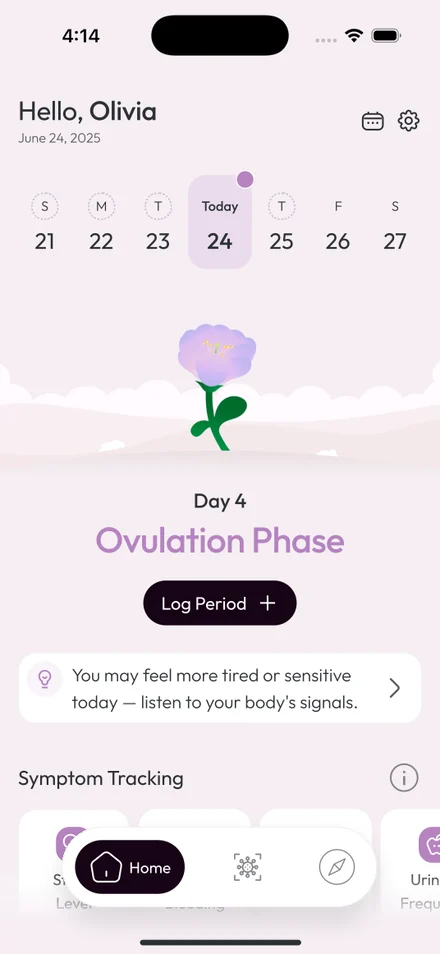
Your care doesn’t stop at the clinic door.
Nuvo Physio runs on Elle Santé — the women’s health platform we built right here. Your plan, your progress and your care team stay with you between visits, not just in the room.
Early access · iPhone and Android