Preparing for Hysterectomy: Prehab and Recovery
By Nuvo Physio · Updated June 2, 2026

If you’ve been recommended for a hysterectomy, you have a lot to think about: medical reasons for surgery, recovery expectations, long-term impact on your body. While your surgeon addresses surgical aspects, something equally important happens before and after surgery: preparing and rehabilitating your pelvic floor and core.
Pre-surgical physiotherapy (“prehab”) before hysterectomy is one of the most effective ways to improve surgical outcomes and recovery. Studies show prehab patients experience faster recovery, less post-operative pain, better function return, and fewer complications. Yet many patients aren’t told about this option. We want to change that.
Understanding Hysterectomy Types
There are several types of hysterectomy, each with different considerations for recovery:
Total Hysterectomy: Removal of the uterus and cervix. This is the most common type and significantly affects pelvic floor biomechanics.
Subtotal (Partial) Hysterectomy: Removal of the uterus while keeping the cervix. This approach may preserve some pelvic support structures, though prehab remains important.
Radical Hysterectomy: Removal of the uterus, cervix, upper vagina, and surrounding tissues. Typically performed for cancer, this surgery requires more extensive rehabilitation and often causes greater changes to pelvic sensation.
Hysterectomy with Ovarian Removal: If your ovaries are removed alongside the uterus, you’ll experience surgical menopause, which affects tissue health, vaginal lubrication, and pelvic floor function.
Your physiotherapist tailors prehab to your specific surgery type, which may be discussed during your consultation with your surgeon.
Why Prehab Matters: The Evidence
Your pelvic floor muscles and deep core muscles support organs and play a crucial role in stability, continence, and sexual function. Hysterectomy removes your uterus—a significant change for your pelvic floor. Pre-surgical physiotherapy prepares these muscles for surgery and helps prevent post-operative dysfunction.
Research shows that patients who complete prehab experience better functional outcomes and report higher satisfaction with their recovery. Studies published in gynecological and pelvic health literature consistently demonstrate that even 4-6 sessions of targeted physiotherapy improve post-operative results.
Benefits of Prehab:
- Faster healing and return to daily activities
- Less post-operative pain and discomfort
- Better continence outcomes (fewer leaking episodes)
- Improved sexual function and comfort with intercourse
- Faster return to exercise and physical activity
- Reduced complications like prolapse
- Improved body awareness and confidence post-surgery
- Psychological benefit of feeling prepared and educated
Even 4-6 sessions of prehab make a significant difference. If you’re planning hysterectomy, prehab should be part of your surgical preparation.
Pre-Surgical Prehab: What to Expect
Timing
Ideally, prehab begins 4-8 weeks before surgery, though even 2-3 weeks of preparation is beneficial. During your initial consultation, we assess your current pelvic floor function and create a targeted prehab plan. If your surgery is scheduled sooner, we focus on the most impactful interventions to maximize results in the time available.
Assessment
Your physiotherapist performs detailed assessment including external palpation assessing muscle tone around your external pelvic floor, internal assessment assessing muscle tone, coordination, and sensitivity, functional testing assessing how your pelvic floor works during movement and breathing, and baseline documentation for post-operative comparison. This assessment helps identify any pre-existing dysfunction that may be exacerbated by surgery.
Prehab Focus Areas
- Pelvic floor awareness and optimal tone: Learning to identify and control your pelvic floor muscles, ensuring they’re neither too tight nor too loose. Many women discover they habitually hold tension in this area, and releasing excessive tone is just as important as strengthening.
- Breathing and core integration: Learning to coordinate your pelvic floor with your diaphragm and deep core muscles—essential for protecting your core post-surgery. Proper breathing mechanics during exertion prevent intra-abdominal pressure from overwhelming your pelvic floor.
- Gentle strengthening: Activating and strengthening your pelvic floor and deep core muscles for optimal condition before surgery. We use exercises like gentle pelvic floor contractions, bridges, and quadruped holds.
- Movement patterns: Practicing functional movements (squats, lunges, carrying) with proper core engagement so post-operative movement is easier. Learning how to move with good pelvic floor and core coordination now makes post-operative rehabilitation faster.
- Education: Understanding what happens during surgery, what to expect post-operatively, and how to support healing. Knowledge reduces anxiety and helps you make informed decisions during recovery.
Sample Prehab Exercises
Your physiotherapist will prescribe exercises tailored to your needs, but common prehab movements include:
- Pelvic floor awareness: Quick contractions (kegels) and slow holds to identify and strengthen muscles
- Diaphragmatic breathing: Deep belly breathing to coordinate your pelvic floor with inhalation and exhalation
- Bridges: Activation of glute and deep core while maintaining pelvic floor engagement
- Quadruped exercises: Hands and knees positions working core stability
- Wall squats: Practicing lower body movement while maintaining core engagement
- Calf stretching and hip mobility work: Addressing tension patterns that affect pelvic function
Prehab exercises are typically gentle and require 15-30 minutes, 3-4 times per week. Your physiotherapist demonstrates each exercise, ensures proper form, and provides a home program you can practice independently.
Post-Operative Recovery Timeline
Recovery from hysterectomy varies based on surgical approach (abdominal, vaginal, or laparoscopic), individual healing capacity, and pre-operative fitness. This timeline provides a general framework, but your surgeon and physiotherapist may adjust it based on your specific situation.
Weeks 0-2: Immediate Recovery and Healing
This is the most critical healing phase. Your incisions are fresh, and your body is managing significant surgical trauma.
What to expect:
- Significant pain and tenderness, gradually improving
- Fatigue and need for rest
- Possible constipation or urinary urgency
- Mild to moderate bleeding or discharge
- Swelling and bloating in the abdomen
Activity guidelines:
- Rest is your primary focus—aim for 1-2 naps daily and 7-8 hours of sleep
- Light walking around your home helps prevent blood clots; aim for 5-10 minutes several times daily
- No heavy lifting (nothing heavier than a gallon of milk)
- No vigorous activity, exercise, or driving
- Sexual activity, tampon use, and douching are prohibited
- Your body is using enormous energy for healing—nutrition and rest are paramount
Physiotherapy role: Initially minimal. Your physiotherapist may see you briefly to check incision healing, assess for complications, and provide education.
Weeks 2-6: Early Rehabilitation Phase
By week 2-3, gentle prehab work resumes. Your body has begun the healing process, though incisions remain tender.
What to expect:
- Decreasing pain (though some discomfort remains with activity)
- More energy and stamina
- Incisions beginning to seal
- Possible pelvic floor dysfunction—muscles may feel tight or tense as a protective response
Activity guidelines:
- Walking gradually increases to 10-20 minutes, multiple times daily
- Light swimming is excellent (once cleared by your surgeon, typically week 4-6)
- Gentle stretching and mobility work
- Most surgeons recommend 4-6 weeks away from work for physical jobs; desk work may resume earlier
- Still no heavy lifting or impact activities
- Avoid driving if taking narcotic pain medication
Physiotherapy focus:
- Gentle pelvic floor assessment
- Relaxation work if pelvic floor muscles are holding excessive tension
- Breathing and core coordination exercises
- Posture and movement education
- Scar tissue awareness work (gentle mobilization around incision)
- Walking mechanics
Weeks 6-12: Progressive Rehabilitation Phase
This is when most meaningful physiotherapy rehabilitation occurs. By week 6, your incisions are largely sealed, and your body can handle increased loading.
What to expect:
- Significant energy return
- Most pain resolved (though fatigue may persist)
- Return of appetite and normal digestion
- Pelvic floor muscles beginning to normalize
- May notice improved continence or remaining incontinence issues
Activity guidelines:
- Walking progresses to 20-30+ minutes daily
- Low-impact cardio: stationary cycling, elliptical, swimming
- Pelvic floor rehabilitation exercises (strengthening if weakness present, relaxation if tension persists)
- Gentle functional movements: wall squats, side-stepping, bridges
- Gradual introduction of core work: modified planks, dead bugs
- Still avoiding high-impact activity, running, and jumping
- Return to light work activities for most professions
Physiotherapy focus:
- Progressive pelvic floor strengthening (if weakness present)
- Continued relaxation work (if excessive tension persists—this is common)
- Functional movement training with proper core engagement
- Progressive resistance exercises with bands
- Return-to-activity planning
- Education about late recovery symptoms
Weeks 12+: Return to Full Activity
By 12 weeks, most patients have returned to pre-surgery activity levels. However, recovery is individual—some plateau earlier or need longer.
What to expect:
- Minimal to no pain
- Good energy levels
- Return to normal daily activities
- Most incontinence issues resolved (or managed with physiotherapy)
- Sexual activity typically comfortable by 12-16 weeks
Activity guidelines:
- Return to high-impact activity: running, HIIT, sports (if symptom-free)
- Return to full strength training
- Return to all work activities
- Sexual activity as comfort allows
When to expect plateaus: Some patients reach good functional levels by week 8-10, then plateau. Additional physiotherapy for 2-4 more weeks usually resolves remaining issues. Patience is important—your body has undergone major surgery, and complete tissue remodeling takes months.
Long-term considerations: Even at 12+ weeks, your pelvic floor continues remodeling. Some women benefit from continued physiotherapy through week 16-20 to address persistent tension, weakness, or sexual dysfunction. This is normal and responds well to treatment.
Common Post-Hysterectomy Issues We Address
Post-hysterectomy pelvic health challenges are very treatable. Understanding them helps you recognize what to expect and when to seek help.
Pelvic Floor Dysfunction: The pelvic floor muscles sometimes become tight and overactive post-surgery as a protective response, leading to pain, difficulty with intercourse, or heaviness. Post-operative rehabilitation addresses this through relaxation and functional retraining.
Urinary Incontinence: Some patients develop stress incontinence (leaking with coughing, sneezing, or exercise) after hysterectomy. Pelvic floor physiotherapy is highly effective at treating post-hysterectomy incontinence.
Pelvic Organ Prolapse: Removing the uterus changes pelvic support mechanics. Some patients develop pelvic organ prolapse (heaviness, bulging in the vagina). Prehab helps prevent this by optimizing muscle strength before surgery.
Painful Intercourse: Some patients experience pain with intercourse post-surgery due to scar tissue, pelvic floor tension, or nerve changes. Physiotherapy addresses these issues, helping restore comfortable sexual function.
Pain and Heaviness: Some patients experience general pelvic pain, heaviness, or pressure post-surgery due to scar tissue, pelvic floor dysfunction, or inflammation. Physiotherapy with scar tissue mobilization, pelvic floor relaxation, and nervous system support addresses these symptoms.
Long-Term Pelvic Floor Health After Hysterectomy
Recovery from hysterectomy doesn’t end at 12 weeks. Maintaining long-term pelvic floor health requires ongoing attention.
Preventive Strategies
Core strength maintenance: Continue the strengthening exercises you learned during rehabilitation. Strong, coordinated core muscles (pelvic floor, deep abdominals, back extensors, diaphragm) protect your pelvic health for decades to come.
Regular exercise: Maintain regular physical activity with emphasis on:
- Walking and aerobic activity
- Strength training (squats, lunges, deadlifts with proper form)
- Flexibility and mobility work
- Pelvic floor awareness during all activities
Avoid heavy straining: Even post-hysterectomy, avoid chronic straining (constipation, heavy lifting, excessive impact activities) which can stress your pelvic floor.
Manage your weight: Excess weight increases intra-abdominal pressure and pelvic floor stress. Maintaining a healthy weight supports long-term pelvic health.
Continue pelvic floor awareness: Your pelvic floor doesn’t “graduate” from physiotherapy and need no further thought. Like any muscle system, maintaining awareness and engaging in periodic exercises keeps it healthy.
When to Seek Help Years Post-Surgery
Even years after hysterectomy, pelvic symptoms may develop or worsen. Prolapse can develop as you age and estrogen declines (especially if ovaries were removed). Incontinence may worsen with menopause or new activities. Sexual dysfunction may emerge from hormonal changes or psychological factors.
The good news: these issues respond to physiotherapy. If you develop any pelvic floor symptoms post-hysterectomy—even years later—specialized physiotherapy can address them.
Hormonal Factors in Long-Term Health
If your ovaries were removed, declining estrogen with aging significantly affects your pelvic health. Vaginal tissues become thinner and drier, making prolapse and sexual dysfunction more likely. Regular pelvic floor physiotherapy, possibly combined with vaginal estrogen therapy prescribed by your gynecologist, maintains long-term function and comfort.
If ovaries were retained, natural menopause will eventually occur. Pelvic floor changes with menopause are common. Staying active, doing pelvic floor exercises, and seeking physiotherapy if symptoms develop help maintain function.
Emotional and Hormonal Considerations
Hysterectomy is not only a physical recovery—it’s an emotional and psychological transition. Understanding these aspects helps you prepare more holistically.
Emotional Impact
Many women experience a range of emotions post-hysterectomy: relief (if surgery was for painful or burdensome conditions), grief (loss of a reproductive organ), or identity shifts (changes in femininity, sexuality, or life stage). These feelings are normal and valid.
Supporting your emotional health:
- Acknowledge that recovery is psychological as well as physical
- Connect with other women who’ve had hysterectomy (support groups or online communities)
- Consider counseling if you experience depression or anxiety
- Communicate openly with your partner about changes in desire or function
- Be patient with yourself—emotional recovery takes longer than physical healing
Hormonal Changes (If Ovaries Removed)
If your ovaries are removed alongside the uterus, you’ll experience surgical menopause—an abrupt hormone shift rather than the gradual transition of natural menopause.
Surgical menopause effects:
- Hot flashes and night sweats (typically more intense than natural menopause)
- Vaginal dryness (directly affecting pelvic floor function and sexual comfort)
- Mood changes and anxiety
- Joint and muscle aches
- Changes in body composition and metabolism
- Accelerated bone loss if not addressed
Physiotherapy implications:
- Vaginal dryness affects pelvic floor elasticity and makes sexual dysfunction more likely—pelvic floor physiotherapy addresses this
- Mood changes may affect motivation for recovery—exercise and physiotherapy help
- Bone health becomes important—weight-bearing exercise supports bone density
If ovaries are retained, hormone levels typically remain stable, and these post-menopausal symptoms don’t occur.
Hormonal Status and Healing
If you’re perimenopausal or menopausal at the time of surgery, hormonal factors significantly affect healing, tissue quality, and pelvic floor function. Low estrogen reduces blood flow to healing tissues and decreases collagen production, potentially slowing recovery. Your physiotherapist tailors treatment accordingly, potentially extending the rehabilitation timeline slightly.
Special Considerations
Hysterectomy for Endometriosis: If your hysterectomy is for endometriosis, recovery may be more complex. Endometriosis causes significant pelvic floor dysfunction that won’t automatically resolve when the uterus is removed. Post-operative physiotherapy is particularly important for addressing the muscular and nervous system changes endometriosis created.
Ovarian Retention: If your ovaries are retained, you won’t experience surgical menopause and hormone levels remain stable. If your ovaries are removed, you may experience menopausal symptoms including vaginal dryness, which affects pelvic floor function.
Age and Hormonal Status: If you’re perimenopausal or menopausal, hormonal factors may affect healing and pelvic floor function. Your physiotherapist adjusts treatment accordingly.
Frequently Asked Questions
Should I do prehab if my surgery is in 2-3 weeks?
Yes. Even 2-3 weeks of prehab is beneficial. Your physiotherapist can focus on the most impactful interventions: pelvic floor assessment and optimization, breathing and core coordination, and education about post-operative recovery. Some benefit is always better than none, and the education alone helps you understand your recovery.
How long is recovery from hysterectomy?
Initial healing takes about 6-8 weeks. Full functional recovery typically takes 12 weeks or longer. Many patients see good functional return by 8-12 weeks, though some benefit from continued physiotherapy beyond this. Your individual timeline depends on surgery type (abdominal, laparoscopic, vaginal—laparoscopic typically heals faster), starting fitness level, age, hormonal status, and rehabilitation response. Listen to your body and don’t rush—healing happens on your body’s timeline, not your schedule.
What happens to my pelvic floor after hysterectomy?
Removing the uterus changes pelvic support biomechanics. The remaining pelvic floor muscles, along with ligaments and fascia, must stabilize and support remaining organs (bladder, bowel, remaining reproductive organs). The good news? Your pelvic floor is remarkably adaptable. With appropriate prehab and post-operative rehabilitation, your pelvic floor adapts well and continues functioning normally. Without proper rehabilitation, some patients develop dysfunction like incontinence or prolapse. This is why physiotherapy matters.
Will I develop prolapse after hysterectomy?
While hysterectomy increases prolapse risk slightly (removing uterine support does change pelvic biomechanics), most women do not develop prolapse. Risk factors include multiple vaginal deliveries, chronic straining, and genetic predisposition. Prehab significantly reduces this risk by optimizing pelvic floor strength before surgery. If prolapse does develop post-operatively, it responds well to physiotherapy—surgery is rarely needed.
Will I leak urine after hysterectomy?
Some women develop stress urinary incontinence (leaking with coughing, sneezing, laughing, or exercise) after hysterectomy. This happens because changes in pelvic support affect bladder position and control. However, pelvic floor physiotherapy is highly effective at treating post-hysterectomy incontinence. Most women regain full continence with targeted rehabilitation. Prehab significantly reduces the risk of developing this complication.
When can I resume sexual activity?
Most surgeons recommend waiting 4-6 weeks before penetrative intercourse. When you do resume, start gently. Some women experience pain (dyspareunia) due to pelvic floor tension, scar tissue, or vaginal dryness—all respond well to physiotherapy. Don’t push through pain; let your physiotherapist help you progress appropriately. If your ovaries were removed, vaginal dryness may require additional support (lubricants or vaginal moisturizers). Pelvic floor physiotherapy specifically addresses post-hysterectomy sexual dysfunction.
Can I do physiotherapy while still taking pain medication?
Yes, in fact, it’s often recommended. Pain medication helps you participate more fully in physiotherapy. However, if you’re taking narcotic pain medication, avoid driving to your appointment. Pain medication sometimes masks pain that would normally tell you to stop an activity, so communicate with your physiotherapist about what medication you’re taking and when you took it.
What if I’m not healing well by 6 weeks?
Healing varies significantly. Some women need additional time before heavy activity. If you’re experiencing increasing pain, new swelling, drainage from incisions, or signs of infection at 6 weeks, contact your surgeon. If you’re experiencing persistent pain that’s limiting your function, pelvic floor physiotherapy may identify and address the underlying cause—scar tissue, muscle tension, or inflammation. Don’t assume pain at 6 weeks is normal; it often responds to treatment.
Should I wear an abdominal binder post-surgery?
Your surgeon may recommend an abdominal binder for comfort and incision support in the first 1-2 weeks. This can reduce pain and help you move more comfortably during early recovery. However, long-term use may weaken your core muscles. Your physiotherapist can advise on timing for discontinuing use.
Is it normal to feel emotional about having my uterus removed?
Absolutely. Hysterectomy is major surgery affecting your body, identity, femininity, and reproductive capacity. Grief, relief, anxiety, and depression are all normal responses. Many women benefit from counseling or support groups. Your physical recovery matters, but so does your emotional wellbeing. Address both with your healthcare team.
Ready to Prepare for Your Hysterectomy?
At Nuvo Physio, I specialize in pre-surgical and post-operative rehabilitation for hysterectomy. Our programs optimize your recovery and help you return to full function.
Book a consultation to discuss prehab and post-operative recovery planning.
Disclaimer: This article is educational and does not replace professional medical advice. Follow your surgeon’s post-operative guidelines.
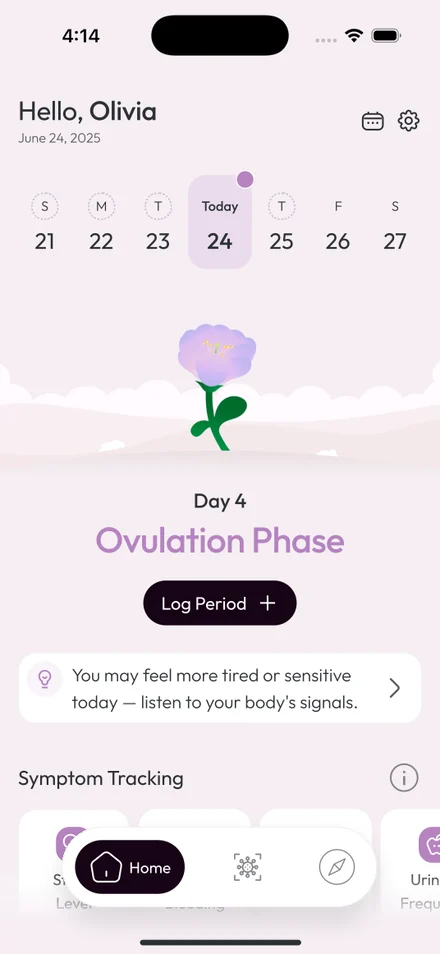
Your care doesn’t stop at the clinic door.
Nuvo Physio runs on Elle Santé — the women’s health platform we built right here. Your plan, your progress and your care team stay with you between visits, not just in the room.
Early access · iPhone and Android